







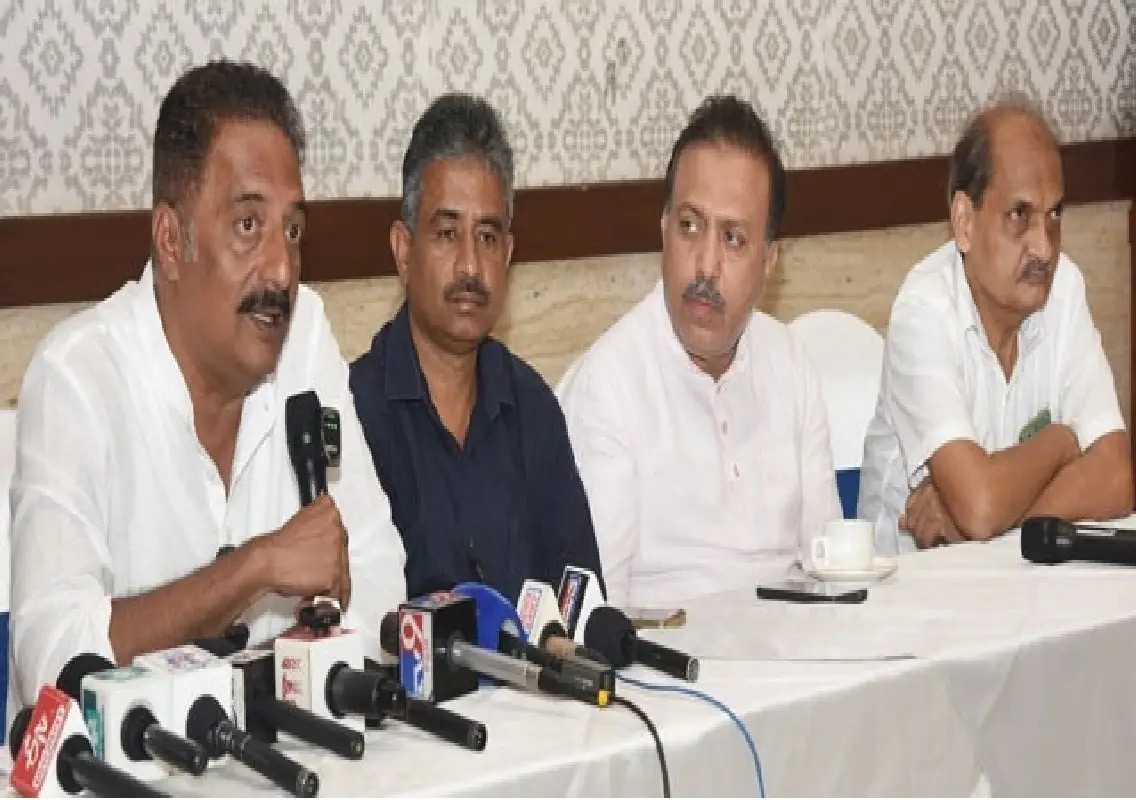


Mangaluru: Actor and social activist Prakash Raj has raised concerns over the ongoing Special Intensive Revision (SIR) of electoral rolls in Karnataka, questioning whether the verification process could inadvertently affect eligible voters.
Speaking at a press conference at the Ocean Pearl Hotel in Mangaluru on Monday, Prakash Raj said he was not opposed to removing illegal, duplicate or deceased entries from electoral rolls. His concern, he said, was whether the exercise was being carried out accurately and with adequate safeguards for genuine voters.
Raj questions voter categorisation
Raj questioned the categorisation of voters during the SIR exercise and referred to the Absent, Shifted, Dead, Duplicate and Others (ASDDO) category.
He said the scale of the exercise raised questions about whether sufficient time and mechanisms were available to verify records before any eligible voter was excluded.
Raj also questioned why citizens should bear the consequences of errors in electoral records, including spelling mistakes, changes of address and discrepancies that may have occurred during earlier revisions.
The Election Commission’s current voter services portal provides facilities to search electoral-roll records, submit documents against notices and access draft rolls as part of the SIR process.
Raises concern over address change
Raj also referred to his own experience during the revision exercise.
He said that after shifting to an address only a few streets away, he was asked to submit Form 6. Raj questioned the requirement, arguing that an existing voter changing residence should be able to use the procedure applicable to shifting an address rather than being treated as a new registration.
The Election Commission’s voter services information separately lists procedures for shifting residence and correcting entries in an existing electoral roll, while Form 6 is listed for new voter registration.
Questions over electoral database
Raj also raised questions about the Election Commission’s management of electoral-roll data and the role of the ECINET platform.
He expressed concern that increased centralisation of electoral information could reduce the role of local election officials and called for greater transparency in changes made to voter records.
The Election Commission, however, has described ECINET as an integrated digital platform for election-related services and said its data is entered by authorised officials. The ECI has also stated that statutory forms remain the primary records in case of a conflict.
Raj’s concerns about transparency and the handling of voter data were presented as issues that he said should be investigated.
Activists collecting voter-related evidence
Raj said activists were collecting evidence from polling booths in different parts of Karnataka, including Mangaluru, Bengaluru, Kodagu, Raichur and Belagavi.
According to him, the exercise is intended to document cases in which voters have allegedly faced difficulties during the revision process.
He said the collected material would be presented at a joint press conference in Bengaluru.
Raj also highlighted the difficulties that elderly citizens, economically weaker sections and other vulnerable groups could face when trying to establish their voter credentials, particularly where older electoral records contain differences in spelling, addresses or dates of birth.
Calls for verification before deletion
Raj said the revision process should not result in genuine voters repeatedly having to establish their eligibility.
He called for proper verification before names are removed from electoral rolls and said the process should distinguish between genuinely ineligible entries and records affected by administrative or documentation discrepancies.
At the same time, the SIR process includes mechanisms for electors whose records require verification to submit documents and participate in the subsequent claims, objections and verification process. The ECI’s SIR 2026 portal currently provides facilities for submitting documents against notices and searching previous SIR electoral-roll records.
ECI describes SIR as participatory exercise
The Election Commission has described SIR as a participatory exercise involving electors, political parties and election officials. In its nationwide SIR Phase III announcement, the ECI said Booth Level Officers would undertake house-to-house work with assistance from Booth Level Agents appointed by political parties.
The commission’s voter services platform also provides facilities for searching names, downloading electoral rolls, tracking applications, contacting Booth Level Officers and submitting appeals.
Against this backdrop, Raj has called for greater transparency and careful verification during Karnataka’s ongoing revision process.
He urged citizens to remain attentive to their names and personal details in electoral rolls while asking election authorities to ensure that corrections to voter records do not result in eligible citizens being excluded.
The concerns raised at the Mangaluru press conference centre on the balance between identifying ineligible entries and ensuring that eligible voters retain their place on the electoral rolls as the SIR process progresses.