







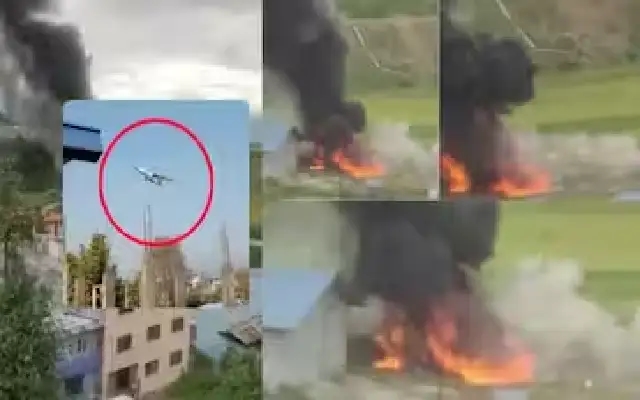


The recent plane crash in Nepal, which tragically claimed 18 lives, has reignited discussions about the risks associated with table-top runways. These runways are situated at elevated levels relative to the surrounding terrain, creating steep drops on one or more sides. This design leaves little margin for error and poses significant challenges for pilots.
In India, five airports feature table-top runways: Karipur (Kozhikode), Mangaluru, Shimla (Himachal Pradesh), Lengpui (Mizoram), and Pakyong (Sikkim). Among these, both Kozhikode and Mangaluru have experienced major accidents. On August 7, 2020, Karipur Airport was the site of a devastating crash involving an Air India Express flight from Dubai. The aircraft crashed upon landing, resulting in the deaths of two pilots and 19 passengers. This flight was part of the Vande Bharat mission to repatriate Indians during the COVID-19 pandemic.
Similarly, Mangaluru Airport was the scene of a tragic accident on May 22, 2010, when Air India Express Flight 812 from Dubai crashed during landing. This incident resulted in the loss of 158 passengers and six crew members.
The Directorate General of Civil Aviation (DGCA) conducts regular inspections of airports with table-top runways to ensure the highest safety standards are maintained. Despite these efforts, the unique challenges of table-top runways continue to highlight the need for ongoing vigilance and improvements in aviation safety protocols.