







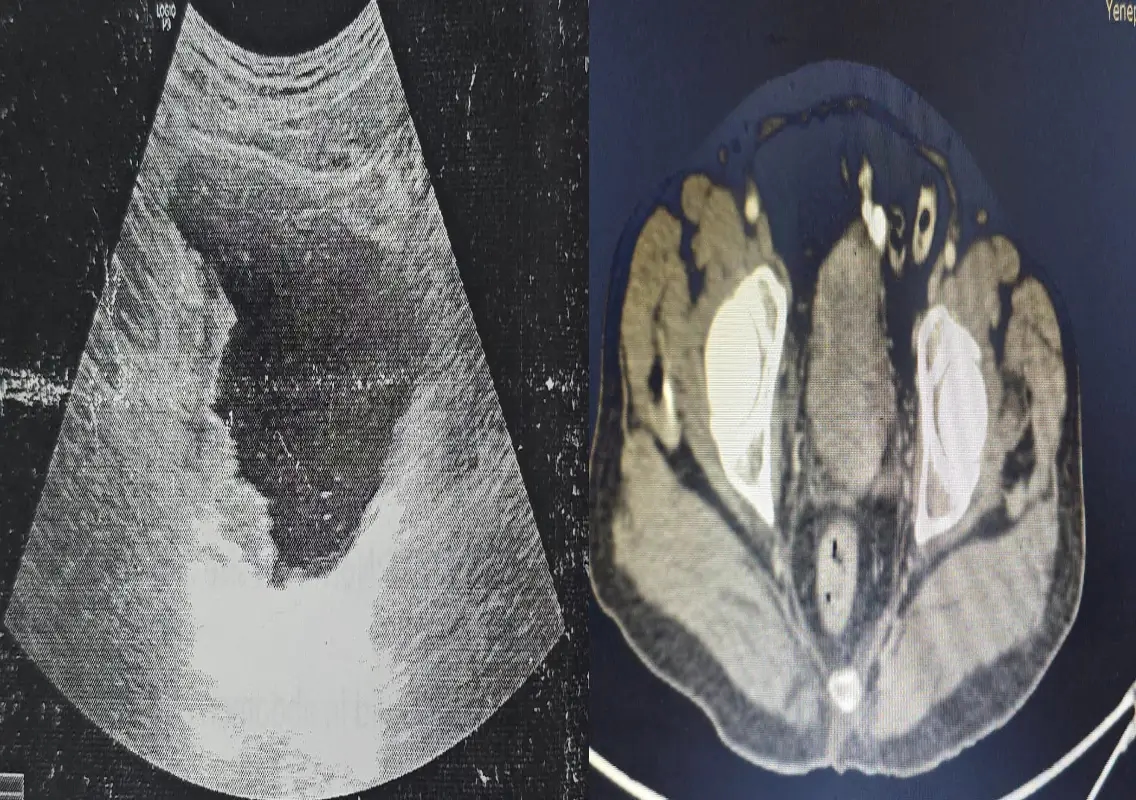


Mangaluru: A major leap in urological surgery has been achieved at Yenepoya Medical College Hospital, Deralakatte, where a team of skilled urologists successfully performed a robotic-assisted radical cystectomy with intracorporeal neobladder reconstruction—a first-of-its-kind procedure in the region for muscle-invasive bladder cancer.
The surgical team, comprising Dr Mujeeb, Dr Altaf Khan, Dr Nischith, Dr Sharath, and Dr Rehan, carried out the complex operation using cutting-edge robotic surgical technology. This achievement not only reflects the hospital’s growing reputation in advanced medical care but also marks a promising step forward for cancer patients seeking improved quality of life post-treatment.
Tackling an aggressive cancer with precision
Bladder cancer, particularly its muscle-invasive form, is a life-threatening condition that occurs when cancer cells penetrate the muscle layer of the bladder wall. The standard treatment involves removing the bladder—a radical cystectomy—followed by constructing an alternate urinary diversion. Traditionally, this results in an external urine collection system attached to the abdomen, which significantly affects patients’ lifestyles.
However, the team at Yenepoya opted for a groundbreaking approach by performing the entire surgery robotically, including the intracorporeal creation of a neobladder—an internal pouch fashioned from the patient’s intestine that mimics natural urinary function.
Benefits of robotic-assisted surgery
Robotic surgery offers unmatched advantages: high-definition 3D visualisation, smaller incisions, minimal blood loss, reduced post-operative pain, and faster recovery. Surgeons operate through robotic arms controlled from a console, enabling a level of precision not achievable in traditional open surgery.
In this specific case, after removing the cancerous bladder, the team created a neobladder entirely within the body, avoiding large incisions and external urinary devices. This method significantly improves the patient’s post-operative quality of life.
A successful outcome and a path forward
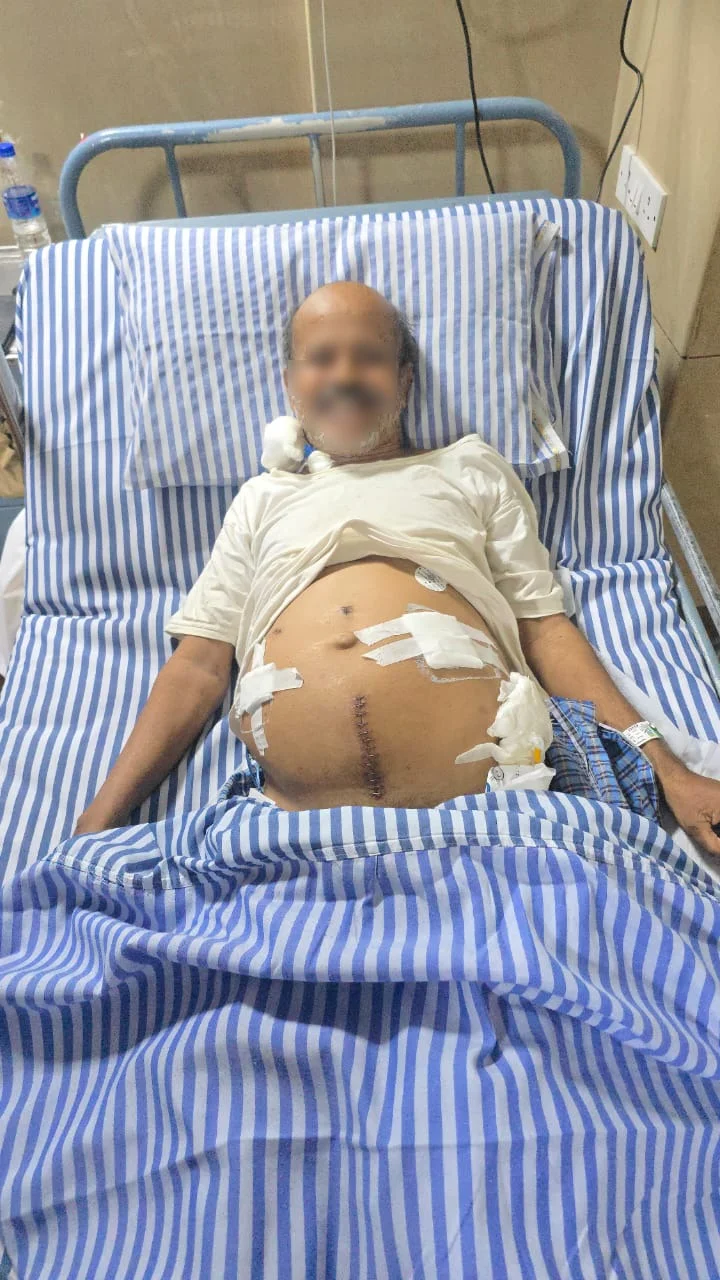
The patient has recovered remarkably well, demonstrating the effectiveness and patient-friendly nature of this advanced procedure. “This is not just a technical success, but a transformation in how we treat urological cancers,” said a spokesperson from the surgical team.
By allowing the patient to maintain near-normal urinary function, the neobladder offers psychological and physical benefits that are critical to holistic recovery.
Setting a benchmark in cancer care
This successful surgery at Yenepoya Medical College Hospital reflects the institution’s commitment to innovation and excellence in healthcare. The feat positions Yenepoya as a leader in robotic surgery in Karnataka and adds momentum to the integration of advanced surgical techniques in regional healthcare.
Such developments are pivotal in ensuring that patients do not have to travel far for world-class care. Moreover, as more surgeons are trained in robotic systems and more hospitals adopt the technology, the reach of such minimally invasive procedures is expected to expand.
Conclusion
The robotic-assisted radical cystectomy with intracorporeal neobladder performed at Yenepoya Medical College Hospital is a significant milestone not only for the surgical team but for all patients battling bladder cancer. It is a clear example of how modern medicine, driven by skilled professionals and advanced technology, can reshape patient outcomes and bring renewed hope.