







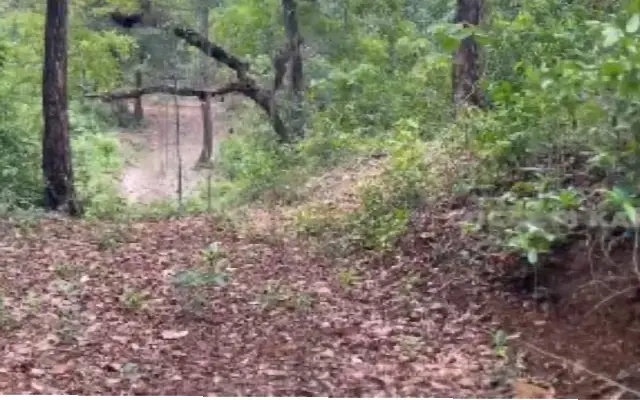


Wild elephants have long been a persistent challenge for foresters and farmers, encroaching on agricultural lands and causing significant damage. In response, the government has invested millions of rupees in various methods to control their incursions, including constructing fences and using toxicants. Now, the forest department in Dakshin Kannada district has turned to a new solution: solar fencing.
This innovative approach aims to prevent wild animals from entering agricultural areas and safeguard crops. Implemented in forested villages of Dakshina Kannada district, nestled in the Western Ghats region of Karnataka, the solar fencing initiative has shown promise in exceeding forest cover limits and reducing wildlife intrusion.
The solar fence consists of wires attached from pole to pole, with electrified wires running along the top and grounded wires supplying nine volts of power. These wires are virtually invisible to the naked eye. When wild elephants step on the wires, they receive an electric shock, deterring them from venturing further into the forest. This technology has been deployed extensively in areas like Belthangady and Subrahmanya.
In one instance, a solar fence stretching approximately four kilometers was installed in Parlani, part of the Mundaje-Kadirudyavara forest range in Belthangady taluk, at a cost of approximately Rs 12 lakh. Electricity is supplied to the wires from 6 pm to 6 am, effectively deterring elephants from entering nearby towns.
Local residents have reported success with the solar fencing, noting that elephants that attempted to breach the barrier were shocked and retreated into the forest. This proactive approach represents a promising step forward in mitigating the human-elephant conflict and protecting both agricultural interests and wildlife habitats.