







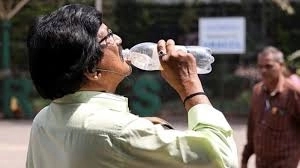


Typically, temperatures start to climb after March, with April and May being the hottest months. Yet this year, February has already experienced unusually high temperatures, causing concern among residents. The last rainfall occurred in December following Cyclone Michaung, which led to a considerable reduction in soil moisture, exacerbating the soaring heat.
Health professionals have issued warnings about the increased risk of dehydration and gastrointestinal illnesses among children, while the elderly are also vulnerable to health complications. It’s crucial to take the necessary preventive measures.
High Temperatures Across Regions
In the coastal areas, the highest temperatures have been recorded between 35°C and 38°C. In the interior regions of North Karnataka, temperatures vary from 34°C to 37°C. South Karnataka’s cities like Agumbe, Bengaluru, Chikkamagaluru, Hassan, Mysuru, Chintamani, and Madikeri have seen temperatures ranging from 31°C to 33°C. Meanwhile, places like Chamarajanagar, Chitradurga, Davangere, Mandya, and Shivamogga are experiencing temperatures between 34°C and 37°C.
Last week, areas such as Mangaluru, Panambur, and Mangaluru International Airport recorded temperatures soaring between 37°C and 39°C. Moreover, overcast skies have caused humidity levels to skyrocket in the coastal areas.
Essential Precautions as Heat Intensifies
“Cloudy weather in the coastal belt is amplifying the intense heat. While light rainfall is expected in the coming days, temperatures will likely rise again soon. Health precautions are essential,” warned an official from the LSCD at Bengaluru Weather Centre.
“As temperatures rise, people tend to drink more water. However, this can lead to an increased risk of water contamination. For instance, sugarcane residues in well water can cause cases of vomiting and diarrhea,” added a professor from Alva’s Ayurveda College.
Stay Safe Amid Rising Temperatures
The sudden surge in temperatures has resulted in a spike in heat-related health problems. To stay hydrated, experts recommend drinking plenty of water, coconut water, and buttermilk. Extra attention should be given to newborns and lactating mothers. It’s also best to complete any outdoor tasks early in the morning, avoiding the midday heat. Special care should be taken to protect children and the elderly from the heat.
Read also: