







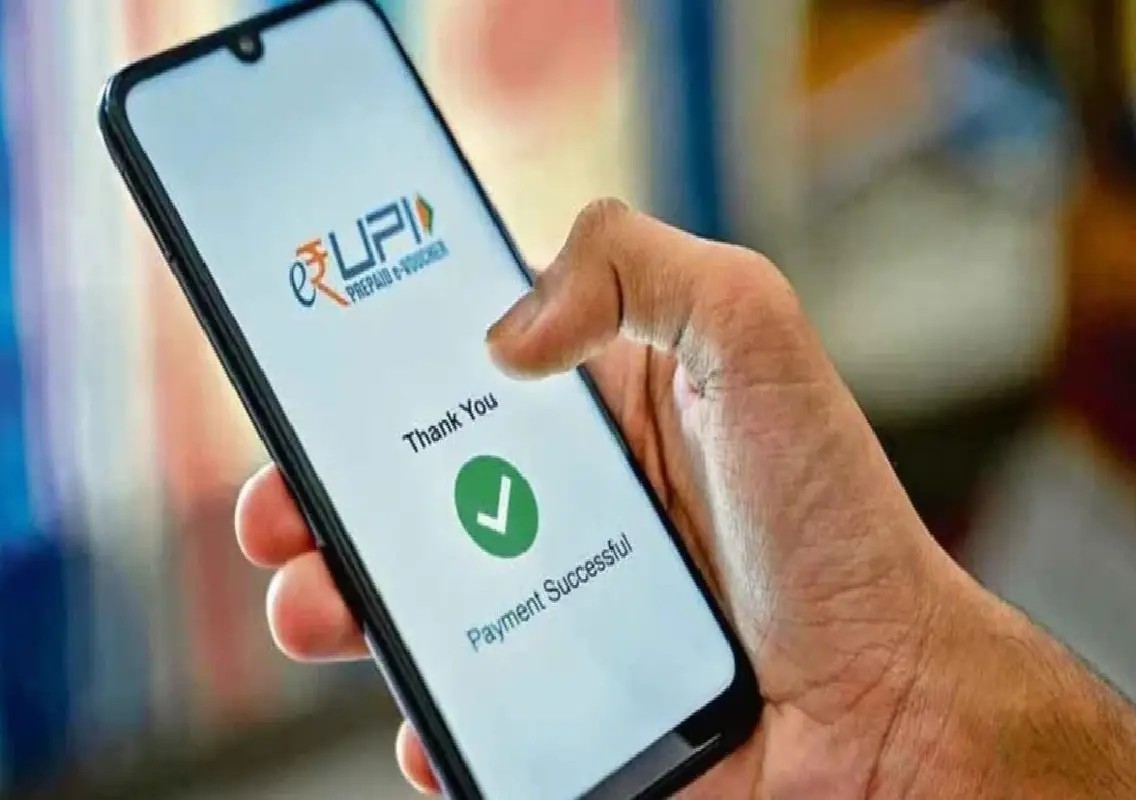


Mangaluru: The UPI-based ticket payment system introduced in Mangaluru’s city buses with the aim of promoting cashless travel has failed to achieve the widespread adoption envisioned by transport operators, despite being launched nearly a year ago.
The initiative, introduced by the Dakshina Kannada District City Bus Owners’ Association, was designed to modernise public transport and simplify fare payments for passengers. However, due to limited adoption by both conductors and commuters, the project has largely remained confined to its pilot phase.
Although all Electronic Ticketing Machines (ETMs) used in city buses are equipped with QR code scanning and digital payment capabilities, the feature remains underutilised. At present, only five of the more than 300 city buses operating in Mangaluru actively offer the UPI payment facility.
Pilot project showed promising results
Mangaluru’s UPI-based bus ticketing system was launched as the first such initiative in Karnataka’s private bus sector. The project was introduced primarily to eliminate the recurring challenge of handling exact change during daily bus travel.
The pilot phase was implemented in five buses operating on Route No. 27 between State Bank and Attavar. According to passengers and transport officials, the service received a favourable response on this route, with commuters comfortably using digital payment platforms to purchase tickets.
Despite the encouraging feedback, the system has not been expanded to other city bus routes, leaving many passengers disappointed.
Persistent challenge of exact change
One of the key objectives of the digital payment system was to address the long-standing issue of change shortages in city buses. Ticket fares in Mangaluru often include amounts such as Rs 13, Rs 18 and Rs 24, making it difficult for both passengers and conductors to exchange the exact fare.
Commuters frequently encounter situations where conductors are unable to provide the correct balance due to a shortage of coins and smaller denomination currency notes. Similarly, passengers may not always carry exact change while travelling.
Many regular bus users believe that wider implementation of UPI payments would effectively resolve this issue while making ticket purchases faster and more convenient.
How the UPI ticketing system functions
The digital ticketing process has been integrated directly into the Electronic Ticketing Machines used by conductors.
When a passenger boards a bus, the conductor enters the destination into the ETM. The machine then displays the fare and provides payment options, including cash and UPI.
If the passenger chooses the UPI option, the ETM generates a dynamic QR code on its display screen. The commuter can then scan the code using popular digital payment applications such as Google Pay, PhonePe or any UPI-enabled platform.
Once the payment is successfully completed, the conductor receives instant confirmation through the machine. The ETM then automatically prints the ticket, completing the transaction within seconds.
The system is designed to ensure transparency, reduce cash handling and streamline fare collection.
Lack of implementation hampers expansion
Despite being recognised as a practical and innovative solution for urban transport, the success of the initiative has been hindered by limited implementation across the city bus network.
Transport observers note that several buses are still not consistently issuing tickets through Electronic Ticketing Machines, despite the devices being available. This has made the transition to digital payments more difficult and slowed the adoption of cashless ticketing.
Industry stakeholders believe that merely equipping buses with ETMs is not sufficient. Effective implementation requires conductors to actively use the machines and offer passengers the option of paying digitally.
Passengers seek wider rollout
Passengers have strongly urged the Dakshina Kannada District City Bus Owners’ Association to expand the facility to all city buses operating in Mangaluru. They argue that widespread digital payment options would not only eliminate disputes over change but also align public transport with India’s growing digital economy.
Commuters have called for stronger administrative measures, including clear instructions to conductors to issue tickets through ETMs and actively encourage UPI transactions.
Many believe that with increasing smartphone penetration and widespread familiarity with digital payments, the public is ready to embrace cashless bus travel if the facility is consistently made available.
Conclusion
The UPI-based ticket payment system introduced in Mangaluru’s city buses was envisioned as a transformative step towards modern and cashless public transport. While the pilot project demonstrated positive results and public acceptance, the lack of widespread implementation has limited its impact. As passengers continue to face challenges related to exact change, transport users are now urging authorities and bus operators to expand the system across the city and fully utilise the technology already available in buses.