







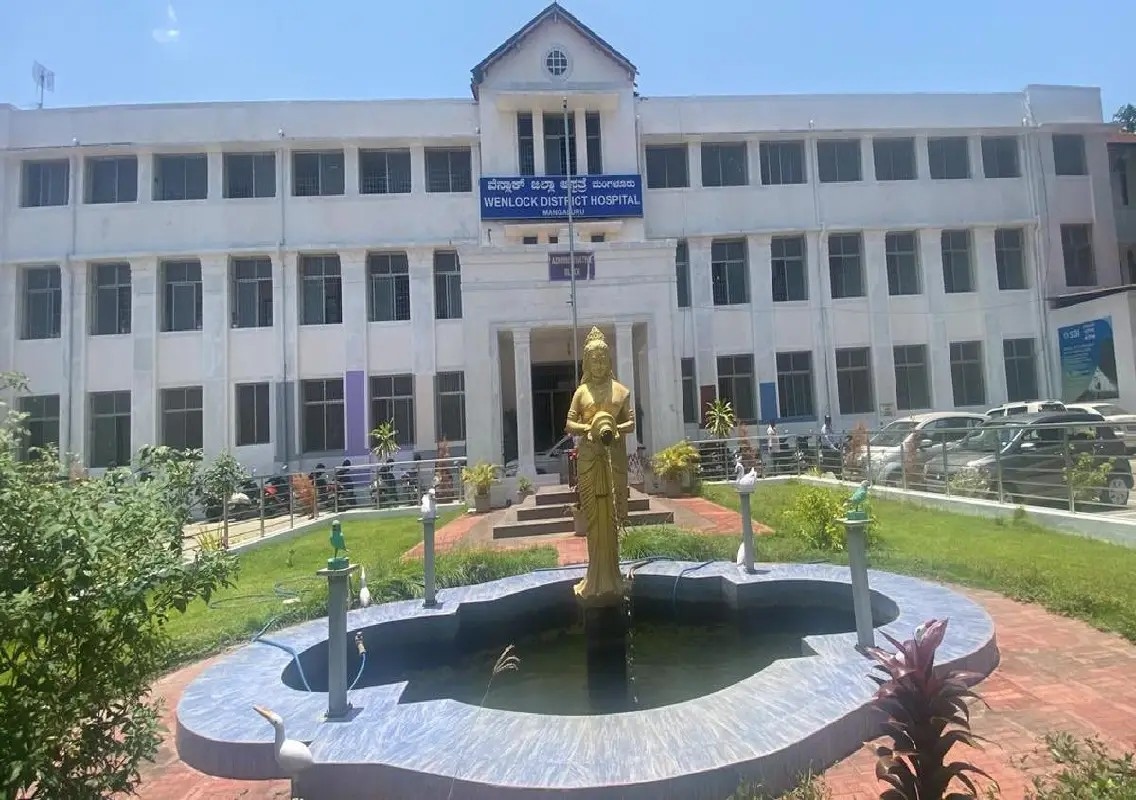


Mangaluru: In a move aimed at improving patient care and communication, Wenlock District Hospital has directed doctors, postgraduate students and interns to communicate with patients in Kannada while providing treatment and related healthcare services. The directive was issued by district surgeon and hospital superintendent Dr Shivaprakash following complaints about language barriers faced by patients and their families.
The decision comes after the hospital administration received multiple complaints from patients and attendants regarding difficulties in understanding medical advice and treatment-related information due to communication gaps. Wenlock District Hospital caters to a large number of economically weaker patients from Dakshina Kannada and neighbouring districts, the majority of whom are Kannada-speaking.
Complaints prompt administrative action
According to hospital authorities, concerns were raised about some doctors, postgraduate students and interns not communicating in Kannada while interacting with patients. This reportedly created challenges for patients seeking medical care and hindered effective communication between healthcare providers and those receiving treatment.
Hospital officials observed that language barriers often made it difficult for patients to clearly understand their diagnosis, treatment plans and medical instructions. In some cases, relatives accompanying patients also found it challenging to obtain information regarding the progress of treatment.
The administration noted that effective communication is a crucial component of healthcare delivery and plays a significant role in ensuring patient confidence and satisfaction.
Importance of clear communication in healthcare
Medical experts emphasise that patients must be able to understand information related to their health conditions, prescribed treatments and follow-up procedures. Language differences can sometimes lead to confusion, misunderstandings and delays in decision-making.
Recognising these challenges, Dr Shivaprakash instructed all doctors, postgraduate students and interns to communicate with patients in Kannada wherever possible. The measure is expected to improve interaction between medical personnel and patients, making healthcare services more accessible and patient-friendly.
The directive also seeks to ensure that patients and their families receive clear explanations regarding treatment procedures, medication schedules and recovery progress.
Kannada learning mandatory for out-of-state students
As part of the initiative, the hospital administration has directed students arriving from other states to learn Kannada within three months of joining the institution.
Dr Shivaprakash stated that until they attain sufficient proficiency in the language, such students should seek assistance from Kannada-speaking staff members within their respective departments while interacting with patients.
The hospital believes this approach will help bridge communication gaps without affecting patient care and ensure smoother interactions in clinical settings.
Medical students and interns from different parts of the country regularly join government hospitals as part of their academic and training programmes. Learning the local language, the administration said, would help them better understand patients’ concerns and provide more effective healthcare services.
Enhancing patient-centred healthcare
The directive reflects a broader effort to strengthen patient-centred healthcare by prioritising communication and accessibility. Healthcare administrators believe that speaking in a language familiar to patients helps build trust and enables better understanding of medical advice.
Officials also pointed out that many patients visiting government hospitals come from rural backgrounds and may not be comfortable communicating in English or other languages. Providing information in Kannada can therefore contribute significantly to improving the overall patient experience.
The administration has urged all medical personnel to adhere to the directive and ensure that patients receive not only quality treatment but also clear and compassionate communication throughout their healthcare journey.
Conclusion
With Kannada being the primary language spoken by most patients visiting Wenlock District Hospital, the new directive aims to remove communication barriers and improve healthcare delivery. By encouraging medical staff to interact in Kannada and requiring out-of-state students to learn the language, the hospital hopes to enhance patient understanding, trust and satisfaction while ensuring more effective treatment outcomes.