







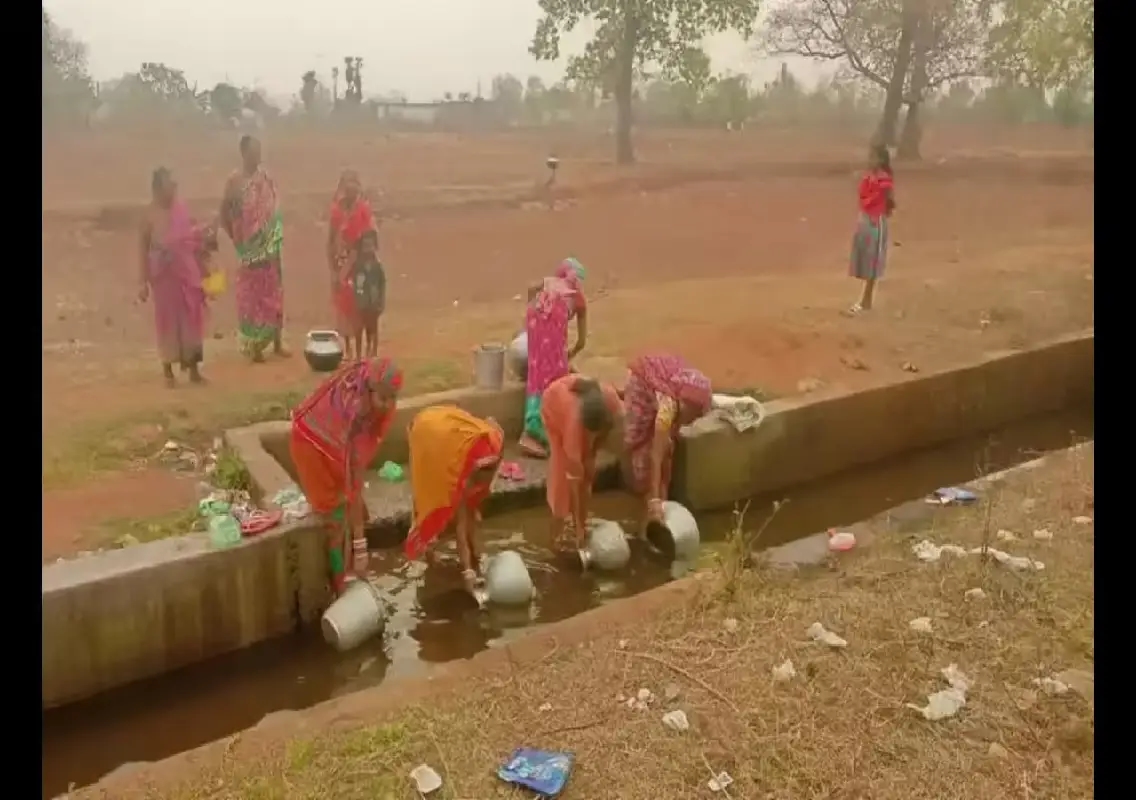


Mysuru: The zilla panchayat has identified 93 villages across the district as drought-vulnerable for the upcoming summer, prompting authorities to initiate precautionary measures to prevent a potential drinking water crisis.
Taluk-wise list of vulnerable villages
According to officials from the rural drinking water supply and sanitation division, the highest number of vulnerable villages—18—has been identified in Periyapatna taluk. This is followed by T Narasipura taluk with 16 villages and Mysuru taluk with 13.
Other affected areas include H D Kote (12 villages), Nanjangud (11), Saligrama (10), K R Nagar (7), Hunsur (4), and Saragur (2). The list was prepared after collecting reports from 256 gram panchayats across all nine taluks in the district.
Last year, 103 villages were identified as drought-prone, but this year the number has come down to 93, indicating a relatively improved situation.
Preparedness measures in place
The zilla panchayat has directed officials to take proactive steps to manage the situation. These include ensuring adequate drinking water supply, preparing contingency plans, easing fodder availability, and being ready to handle emergency situations.
Authorities have also been instructed to hire private borewells and water tankers if groundwater levels drop significantly or if pre-monsoon showers fail, leading to water shortages in the identified villages.
Current water supply status
At present, drinking water is being supplied to these villages through multi-village water supply schemes. Officials stated that there are currently no major issues reported in any village.
Executive Engineer Ramaswamy from the rural drinking water supply and sanitation wing confirmed that the list has been prepared as a precautionary measure, and all arrangements are in place to tackle any emerging crisis.
Reservoir levels and availability
The district relies heavily on the Kabini and Krishnarajasagar reservoirs for its water supply. As per current data, the Kabini reservoir level stands at 2,268.1 ft against its full level of 2,284 ft.
Similarly, the Krishnarajasagar reservoir has a water level of 110 ft compared to its maximum capacity of 124.8 ft. Officials from the Cauvery Neeravari Nigam have indicated that the existing water storage is sufficient to meet drinking water needs until the end of June.
Focus on monitoring and quality
Authorities have emphasised regular monitoring of water quality across villages. Panchayat development officers have been directed to conduct daily testing of drinking water and ensure safe supply to residents.
In addition, instructions have been issued to promptly address issues such as damaged pipelines and disruptions in water supply.
Administrative directions and review
Zilla panchayat CEO S Ukesh Kumar stated that all officials have been instructed to prioritise drought management and water supply issues during the summer months. A review meeting was held to assess preparedness and ensure coordinated action among departments.
He added that previously reported water shortages in villages such as Hadidanur Mole, Biligere, and Kupparavalli have already been resolved.
Conclusion
While no immediate water crisis has been reported, the identification of 93 drought-prone villages reflects a cautious approach by the administration. With contingency plans in place and reservoir levels currently adequate, authorities aim to ensure uninterrupted water supply and minimise hardship during the summer season.