







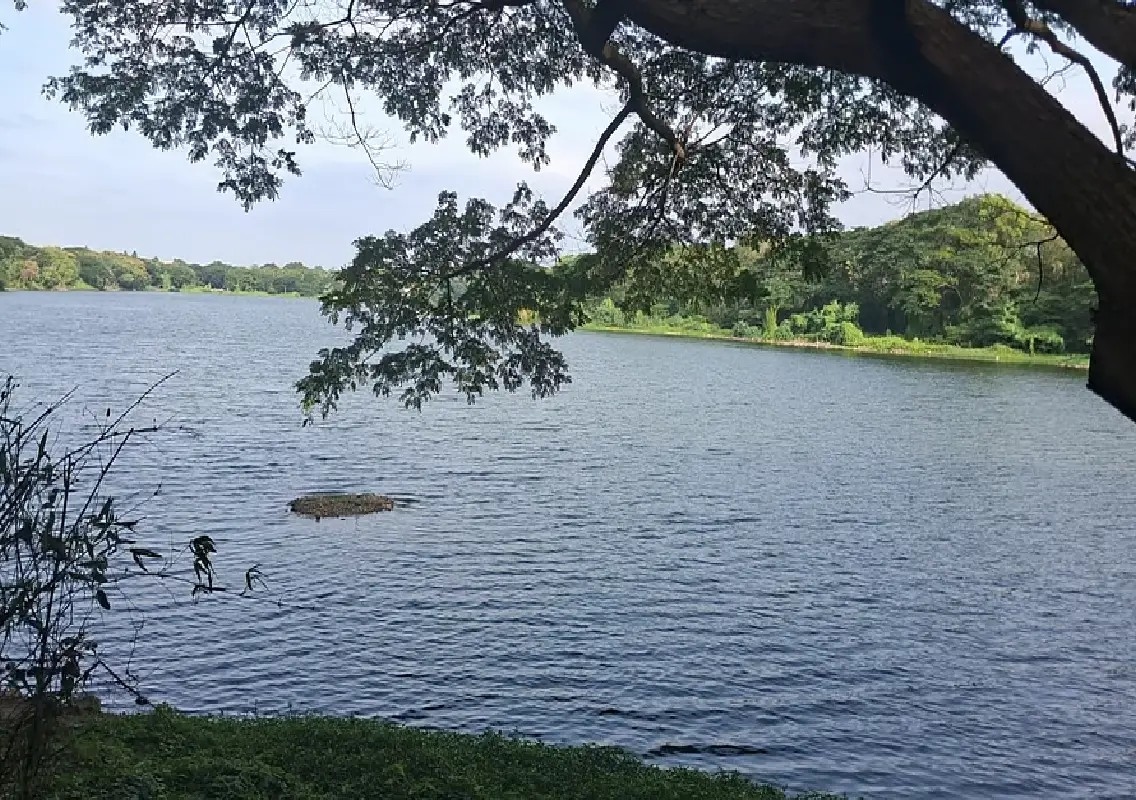


Mysuru: Environmentalists and water conservation experts have urged the district administration to revive and protect the historic Purnaiah canal, a 162-year-old water channel that once served as a lifeline for Mysuru and supplied water to the iconic Kukkarahalli Lake.
Built in 1864, the 25.3-km-long canal played a crucial role in providing water for domestic use, irrigation and industries in the erstwhile Mysore kingdom. However, experts say that 9.21 km of the canal, stretching from Vijayashripura to Bogadi village, has now been encroached upon or occupied, threatening its existence.
Experts call for immediate conservation measures
A team of experts from Water Forum Mysuru and environmental organisations, led by U.N. Ravi Kumar, recently conducted a survey of the canal and submitted their findings to the district administration.
The team has urged authorities to conserve and revive the remaining 16.095 km of the canal using scientific methods to ensure water security and climate resilience for future generations.
Environmentalists pointed out that the frequent deaths of fish in Kukkarahalli Lake indicate continued sewage inflow into the water body. They have appealed to the University of Mysore, which has been the custodian of the lake since 1960, to take steps to restore the 5.3-km stretch of canal near the lake.
According to Ravi Kumar, reviving the canal would allow rainwater from the Manasagangotri ridge area around SJCE to be diverted into the lake through a natural stormwater drainage system.
“This can augment the catchment area by nearly 50 per cent and provide sufficient fresh rainwater to keep the lake healthy and alive,” he said.
Revival could boost groundwater and biodiversity
Experts have also sought the restoration of the 2.155-km link canal connecting Huyilalukere and Madagalli Doddakere, as well as the remaining 8.64-km stretch from Bogadi Railway Layout to Madagalli Doddakere, which still remains unoccupied.
According to the survey team, rejuvenation of this section could make nearly 81 acres of urban land available for rainwater management, recharge groundwater resources and support around 10,000 trees.
Mysuru Deputy Commissioner G. Lakshmikanth Reddy said the administration had received detailed survey reports from officials and civil society organisations.
“We are studying both reports and will take the best possible steps to revive the Purnaiah canal and conserve Kukkarahalli Lake,” he said.
University of Mysore Registrar M.K. Savitha also assured that a Kukkarahalli Lake Conservation Committee would be formed to push for conservation measures and protect the biodiversity of the lake.
A canal with a rich legacy
Explaining the history of the canal, Ravi Kumar said that after the fall of Tipu Sultan in 1799, Mysuru remained dependent on a few lakes and rainwater runoff from the Chamundi Hill watershed.
Dewan Purnaiah commissioned surveys to identify ways of bringing water to Mysuru. Initial efforts resulted in the creation of the Purnaiah Nale, which later made way for Sayyaji Rao Road.
Further explorations led to the development of a canal system from the elevated Yelawala ridge on the western side of Mysuru. The region, located around 100 metres above the city, had nearly eight lakes whose surplus water was channelled through a network of canals and eventually into Kukkarahalli Lake.
The canal system played a significant role in supplying water for domestic consumption, irrigation and industries, including the Mysore Sandal Soap Factory.
However, with the introduction of Cauvery water supply and the growth of borewell-based water systems from the 1970s onwards, the canal gradually lost its importance. Rapid urbanisation, sewage generation and encroachments further damaged the canal system.
During the late 1980s and early 1990s, large sections of the canal were destroyed to facilitate new residential layouts.
A biodiversity hotspot under threat
Spread over nearly 49 hectares, with an additional 55 hectares of surrounding land, Kukkarahalli Lake is one of Mysuru’s most important ecological assets.
According to experts, the lake supports around 430 species of plants and trees, 90 species of butterflies and 14 mammal species.
Environmentalist Shylajesha said the lake is also home to more than 250 species of resident and local birds and attracts over 20 species of migratory birds from other states and countries, including Japan, between September and March every year.
With nearly 5,000 to 10,000 people visiting the lake daily, environmentalists have urged the government to declare the canal and the lake as a “Blue-Green Heritage Belt” to ensure long-term protection of Mysuru’s natural and historical heritage.