









Mysuru: The Karnataka government has ordered the cancellation of 1,100 housing sites allotted by the Mysore Urban Development Authority (MUDA) under its controversial 50:50 land compensation scheme, with the properties collectively valued at around Rs 2,000 crore.
The Urban Development Department issued the order on Wednesday, directing MUDA authorities to cancel allotments made in violation of a government directive dated March 14, 2023, which had barred such replacement-site allocations.
The government has also ordered authorities to stop issuing sale deeds and khatas for properties covered by the disputed allotments. In cases where sale deeds have already been registered, the government will consider approaching civil courts to seek their cancellation.
Allotments made after March 14, 2023 targeted
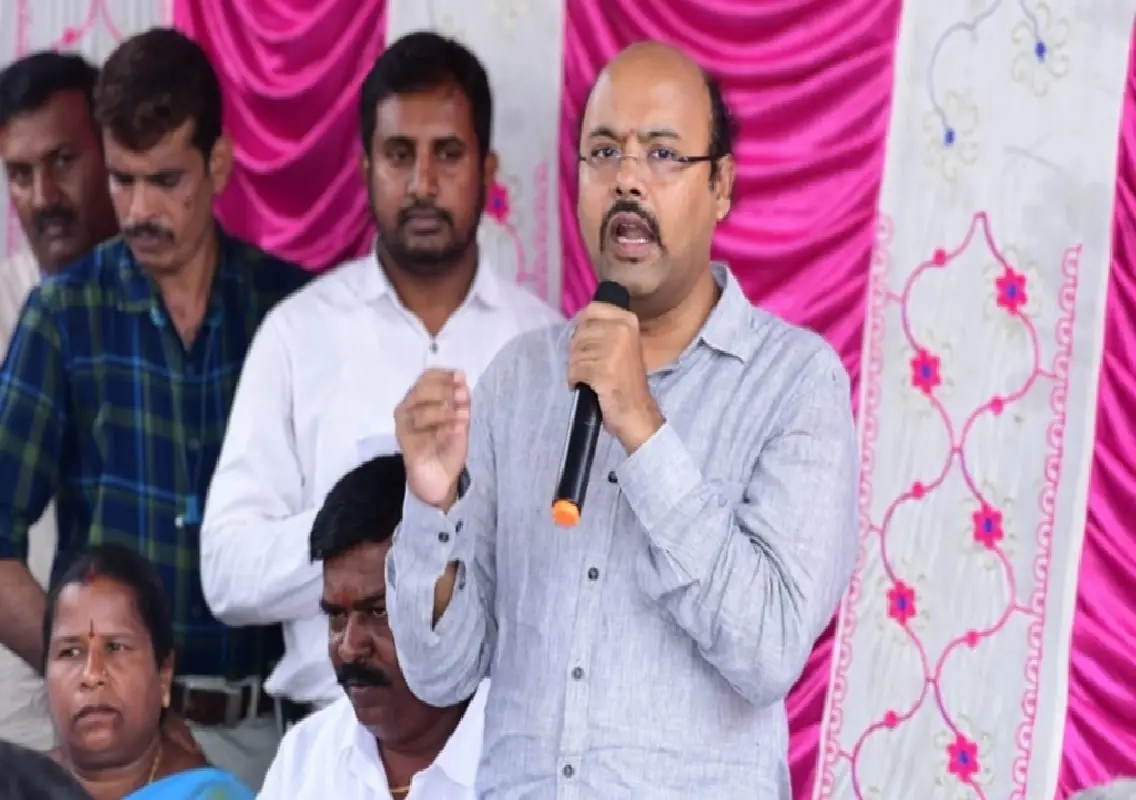
Urban Development Minister Yathindra Siddaramaiah said the first phase of action focuses on alternate-site allotments made after March 14, 2023, in violation of the government’s directions.
He said all such allotment orders should be cancelled immediately and that instructions had been issued to the MUDA chairman, district magistrate, commissioner and local bodies regarding cases where sites were allotted contrary to the government’s directive.
The government order further states that if a sale deed has not yet been issued for an affected property, MUDA should not issue one until the government formulates guidelines and provides further directions.
Similarly, authorities have been instructed to halt the issuance of khatas for properties covered by the disputed allotments.
Civil action planned for registered sites
The government’s action extends beyond cancelling allotment orders.
Where replacement sites have already been registered through sale deeds at the sub-registrar’s office, the government may initiate civil proceedings to have those documents cancelled.
This could potentially affect beneficiaries who have already completed the registration process and received legal documentation for the replacement sites.
The move follows recommendations of the Justice P N Desai Commission, which was established to investigate alleged corruption and maladministration in MUDA between 2020 and 2024.
The commission recommended that irregular allotments under the 50:50 scheme be cancelled and that illegally allotted sites be restored to MUDA through appropriate legal proceedings.
Second phase to examine earlier allotments
The government has indicated that its scrutiny will not end with the 1,100 sites covered in the first phase.
Yathindra Siddaramaiah said the second phase would examine cases where allotments were made before March 14, 2023.
According to the minister, authorities will review these cases for violations and irregularities. If discrepancies are found, further action will be taken.
The phased approach is intended to distinguish between allotments made after the government expressly prohibited the practice and those made before the March 14, 2023 directive.
The government will therefore examine the circumstances surrounding earlier allotments before deciding on further action.
Justice Desai Commission found large-scale irregularities
The government’s latest decision follows the findings of the judicial commission headed by retired Karnataka High Court judge Justice P N Desai.
The commission, constituted in July 2024 to investigate allegations concerning MUDA, examined the authority’s functioning during the 2020–2024 period.
It found large-scale irregularities in the authority’s operations and recommended action against officials and others allegedly involved in irregular allotments.
The commission also found significant loopholes in the 50:50 alternate-site scheme. According to its findings, the number of claims increased substantially between 2020 and 2024, creating opportunities for beneficiaries to seek high-value sites with the alleged assistance of MUDA officials.
The commission observed that while ordinary citizens often struggle to obtain even a single site through public authorities, there were instances where 30 to 40 sites were allegedly allotted illegally to a single individual who was not entitled to compensation.
It recommended stronger oversight, clearer rules and greater use of technology to prevent manipulation of land-allotment processes.
Siddaramaiah family case distinguished
The MUDA controversy had also involved allegations concerning former Karnataka chief minister Siddaramaiah’s family and 14 sites reportedly allotted as compensation for 3.16 acres of land acquired by MUDA.
However, the Justice Desai Commission did not find wrongdoing in that particular allotment.
The commission’s broader findings instead focused on irregularities in the functioning of MUDA and the implementation of the 50:50 scheme.
The latest government order is therefore aimed at allotments that officials have determined were made in violation of the applicable government directions.
How the 50:50 scheme worked
The 50:50 alternate-site scheme was drafted by MUDA members, including its chairman and commissioner, on November 20, 2020.
Under the arrangement, landowners whose properties were acquired by MUDA were to receive 50% of developed housing sites in exchange for 50% of the revenue land acquired by the authority.
The scheme was subsequently questioned by the Karnataka Urban Development Department.
The department issued warnings to MUDA against implementing the scheme on May 4, 2021, and again on March 14, 2023. Despite the directions, the scheme continued to be used for allotments.
According to the Urban Development Department, 1,328 alternate sites had been distributed as compensation under the 50:50 scheme since its introduction in 2020.
The latest government action covers a substantial portion of the allotments that are alleged to have violated the March 14, 2023 directive.
Government moves to restore oversight
The controversy surrounding the scheme has raised questions about how public land and developed sites were allotted and whether existing safeguards were adequately enforced.
The government’s decision to cancel the disputed allotments and potentially challenge registered sale deeds represents a move towards restoring sites that were allegedly allotted in violation of government instructions.
At the same time, the second-phase review of allotments made before March 14, 2023, could widen the scrutiny if officials identify further irregularities.
The government is also expected to formulate clearer guidelines before permitting any further action involving properties whose allotments are under examination.
The cancellation of 1,100 sites marks a major development in the continuing MUDA controversy. The outcome of the proposed civil proceedings and the second-phase review will determine the fate of additional properties and could lead to further action if more irregularities are established.