







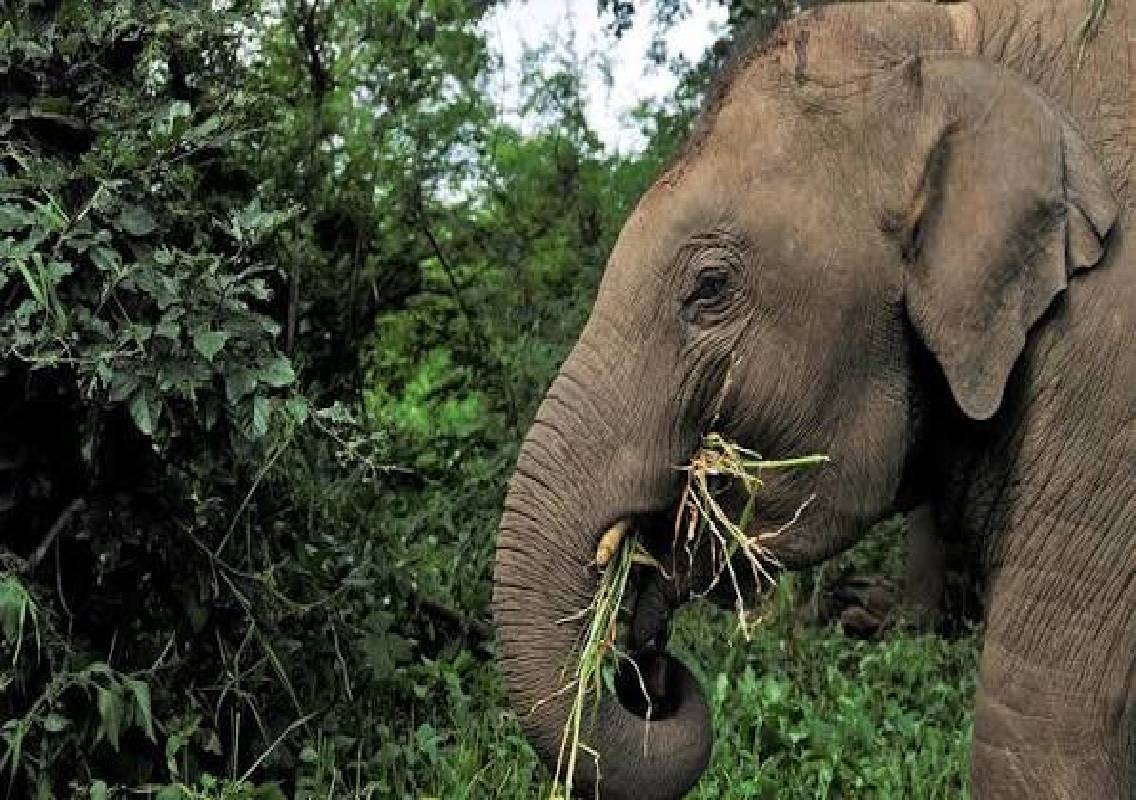


According to a report published by Star of Mysore on September 10, nine people have been killed in elephant-related incidents in Kodagu so far this year. The victims include five men and four women, among them a tourist from Bengaluru and a woman tourist from Chennai. Nine elephants have also died this year, comprising five males and four females.
Human-elephant conflict remains a major concern
Kodagu, one of Karnataka’s important forested districts, has extensive forest areas and wildlife habitats. The movement of elephants outside forest boundaries has repeatedly brought wild animals into contact with people, particularly in areas close to agricultural land and human settlements.
The latest figures underline the seriousness of the situation. With both human and elephant deaths being recorded, the conflict has emerged as a major wildlife-management and public-safety concern.
The deaths reported this year also show that the issue is not restricted to local residents. The reported victims include tourists from Bengaluru and Chennai, indicating that people travelling through or visiting Kodagu can also face risks in areas where elephant movement is common.
Nine people killed in elephant-related incidents this year
Nine people have reportedly died in elephant-related incidents in Kodagu during the current year. Of these, five were men and four were women.
The inclusion of tourists among the victims adds another dimension to the safety concerns. Kodagu is a major tourism destination known for its forests, plantations and natural landscapes, making awareness about wildlife movement particularly important for visitors.
The incidents also highlight the need for continued coordination between forest authorities and communities living close to elephant habitats.
Nine elephants also died this year
The conflict has also taken a heavy toll on elephants. Nine elephants — five males and four females — have reportedly died in Kodagu this year.
The loss of elephants is significant from a conservation perspective, as the animals frequently move across large landscapes in search of food and water. Human settlements, roads, agricultural areas and other changes around forest habitats can increase the possibility of encounters.
The figures therefore reflect a two-sided crisis: communities face the threat of elephant encounters, while elephants face increasing risks when they move through human-dominated areas.
Six-year toll raises alarm
The reported six-year figures — 92 human deaths and 153 elephant deaths — indicate that the conflict is not a short-term problem but a continuing challenge in Kodagu.
Such incidents can have a wider impact on communities, particularly families living near forest boundaries and people dependent on agriculture. At the same time, repeated elephant deaths can raise concerns over habitat protection and the effectiveness of measures aimed at preventing conflict.
The latest numbers are likely to renew attention on measures to reduce encounters between humans and elephants while protecting both communities and wildlife.
Need for stronger coexistence measures
The scale of the reported deaths underscores the importance of long-term strategies to manage human-elephant conflict. Preventive measures, timely alerts about elephant movement and better coordination with residents can help reduce the risks faced by people living near wildlife habitats.
For elephants, protecting movement corridors and reducing situations that bring them into direct contact with people remain important conservation priorities.
As Kodagu continues to attract tourists and support communities living alongside forest areas, finding a sustainable balance between human activity and wildlife protection will remain a key challenge.
The latest figures serve as a stark reminder that human-elephant conflict continues to exact a heavy price on both sides.