







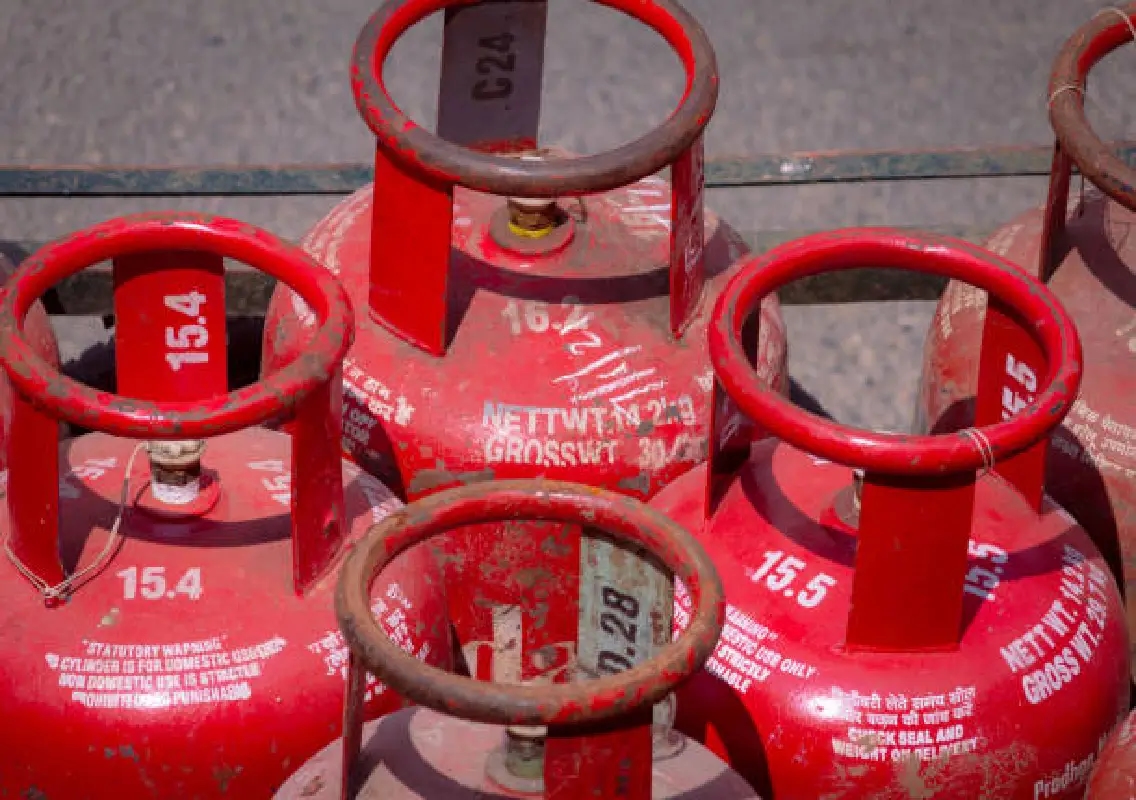


Mysuru: A severe shortage of commercial LPG cylinders has disrupted daily operations in Mysuru, forcing several hotels to shut down and placing significant strain on event organisers and families.
The crisis intensified on Wednesday as supplies dwindled further, with cylinders reportedly unavailable even at highly inflated prices of up to Rs 4,500, compared to the original rate of around Rs 1,900.
Hotels forced to shut operations
Hotel owners across the district said they are facing an unprecedented situation, with commercial LPG supply nearly coming to a standstill. Many establishments have begun shutting down operations as cooking fuel becomes inaccessible.
One hotel owner noted that even those willing to pay a premium are unable to procure cylinders. Available stock, he said, is being prioritised for essential services such as hostels and hospitals, leaving hotels struggling to continue business.
The shortage has not only impacted revenue but also raised concerns over employment and supply chains dependent on the hospitality sector.
Event organisers and caterers hit
The crisis has also significantly affected the event management sector, particularly caterers who rely heavily on LPG cylinders for large-scale food preparation.
Caterer HN Shridhara Murthy said the situation has forced them to depend on families hosting events to arrange cylinders themselves. “It is a major crisis,” he said, pointing to the lack of reliable supply.
Another caterer, Shashidhara Rao, highlighted the difficulty in sourcing cylinders, stating that private suppliers are charging exorbitant prices. According to him, some suppliers are demanding up to Rs 6,000 per cylinder, making it unaffordable for many.
He added that cylinders are now being sold discreetly in isolated areas, making them harder to locate. “Shifting to alternative fuels like firewood is not easy in urban areas,” he noted.
Burden shifts to families
Families organising functions are bearing the brunt of the shortage, as caterers are no longer able to provide cylinders as part of their services.
Shashikiran Hegde, a resident of Agrahara, said people conducting unavoidable events are being forced to pay inflated rates. “For two cylinders, up to Rs 10,000 is being demanded. There must be a proper mechanism to prevent such exploitation,” he said.
The sudden shift in responsibility has added to the stress of organising events, particularly for middle-class families already dealing with rising costs.
Choultries and associations respond
Mysuru Choultry Owners’ Association representatives also expressed concern over the situation. Past president KR Satyanarayana said that earlier, choultries used to provide a limited number of cylinders as a complementary service.
However, due to GST-related issues, this practice has been discontinued, further complicating arrangements for events.
Temple adopts alternative fuel
Amid the ongoing shortage, Chamundeshwari Temple has switched to firewood for preparing dasoha as a precautionary measure.
According to M J Roopa, secretary of the Sri Chamundeshwari Kshetra Development Authority, the temple currently has sufficient LPG stock but opted for an alternative to conserve resources.
The temple receives around 3,000 devotees on weekdays and between 5,000 and 5,500 on weekends, making uninterrupted food preparation essential.
Growing concerns over supply and regulation
The shortage has raised concerns about supply chain disruptions and the role of private distributors. Stakeholders have called for stricter monitoring to prevent black marketing and ensure fair distribution of LPG cylinders.
Many have urged authorities to intervene and establish a transparent mechanism to regulate supply and pricing, particularly during periods of high demand.
Conclusion
The ongoing LPG crisis in Mysuru has exposed vulnerabilities in the supply system, affecting businesses, event organisers, and households alike. With prices soaring and availability shrinking, immediate intervention is required to stabilise the situation.
Until supply improves, stakeholders may have to rely on alternative arrangements, while hoping for swift corrective measures from authorities to restore normalcy.