







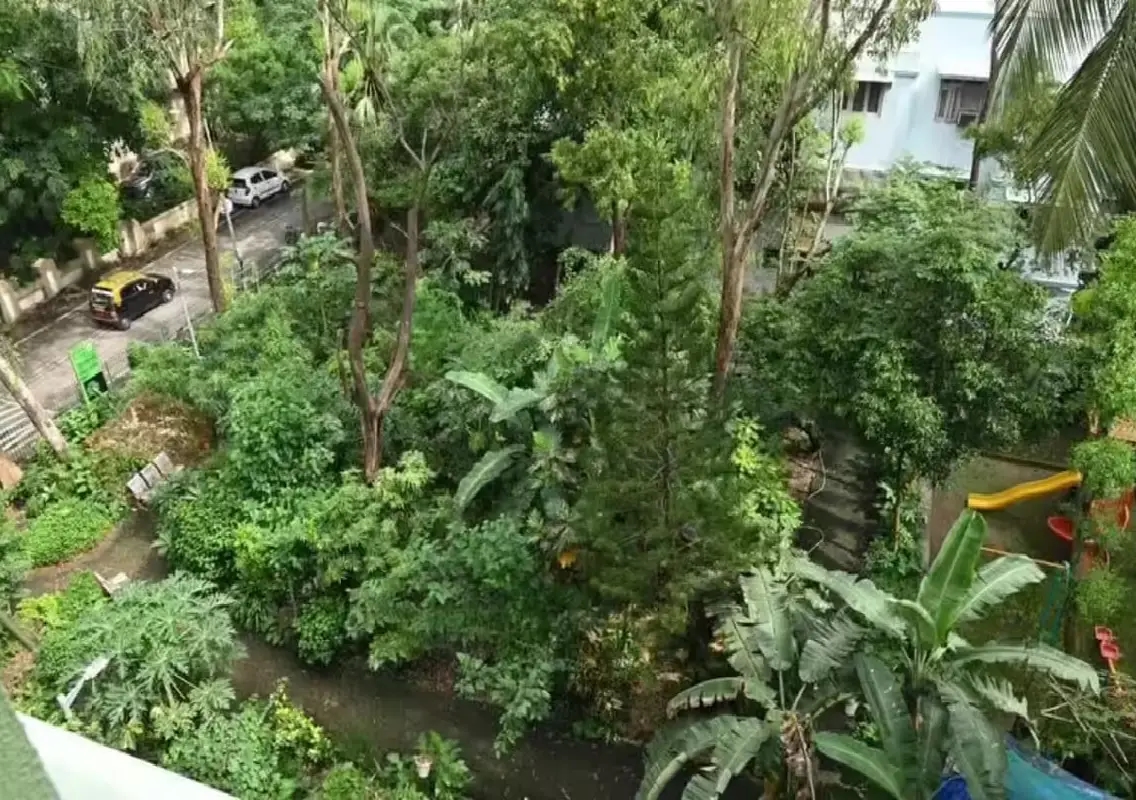


Mysuru: The Mysuru City Corporation (MCC) has announced plans to adopt the Miyawaki model to develop micro forests across the city in an effort to tackle rising urban temperatures, improve air quality and enhance green cover.
Under the initiative, micro forests will be established in 10 different wards, with around 50,000 trees of 32 native species set to be planted. The project will be implemented through corporate social responsibility (CSR) funding.
Miyawaki model for urban sustainability
The Miyawaki method, developed by Japanese botanist Akira Miyawaki, is a scientifically proven afforestation technique that focuses on planting dense clusters of native vegetation in small urban spaces. These forests grow rapidly and become self-sustaining within a few years, making them ideal for cities facing environmental challenges.
Officials believe that adopting this model will help create greener urban pockets while significantly improving biodiversity and ecological balance.
Proven success in Mysuru
MCC’s decision is backed by the success of earlier micro forest projects in the city. In 2024, a one-acre micro forest was developed at a park in Vijayanagar 3rd Stage with CSR support from Toyota Kirloskar Motor. Around 12,000 trees of 38 native species were planted, and the saplings reportedly grew up to 10 feet within two years.
Encouraged by these results, another micro forest was created at Jodi Bevinamara Park in Dattagalli 2nd Stage, where 15,000 trees of 29 native varieties were planted.
Expansion of green initiatives
A third such project was undertaken at Saalumarada Thimmakka Park in Kuvempu Nagar, where 15,000 saplings of native species were planted on March 23 last year, also following the Miyawaki method.
These initiatives have demonstrated the effectiveness of dense plantation techniques in improving urban greenery within a short span of time.
Tree census nearing completion
The civic body is currently conducting a comprehensive tree census across the city with the support of the Forest Department and private stakeholders. The survey is expected to be completed within the next 15 days.
Officials said the findings from the census will help identify suitable locations for the new micro forests and guide future urban forestry planning.
Addressing urban challenges
MCC Commissioner Sheikh Tanveer Asif stated that the initiative is aimed at addressing key environmental concerns, including rising temperatures, declining air quality and the need for more green spaces in residential areas.
He added that micro forests not only improve the urban ecosystem but also provide residents with cleaner air and better living conditions.
Conclusion
With plans to expand micro forests across multiple wards, Mysuru is taking a proactive step towards sustainable urban development. The adoption of the Miyawaki model reflects a growing emphasis on innovative, nature-based solutions to combat climate challenges and improve the quality of life for city residents.