







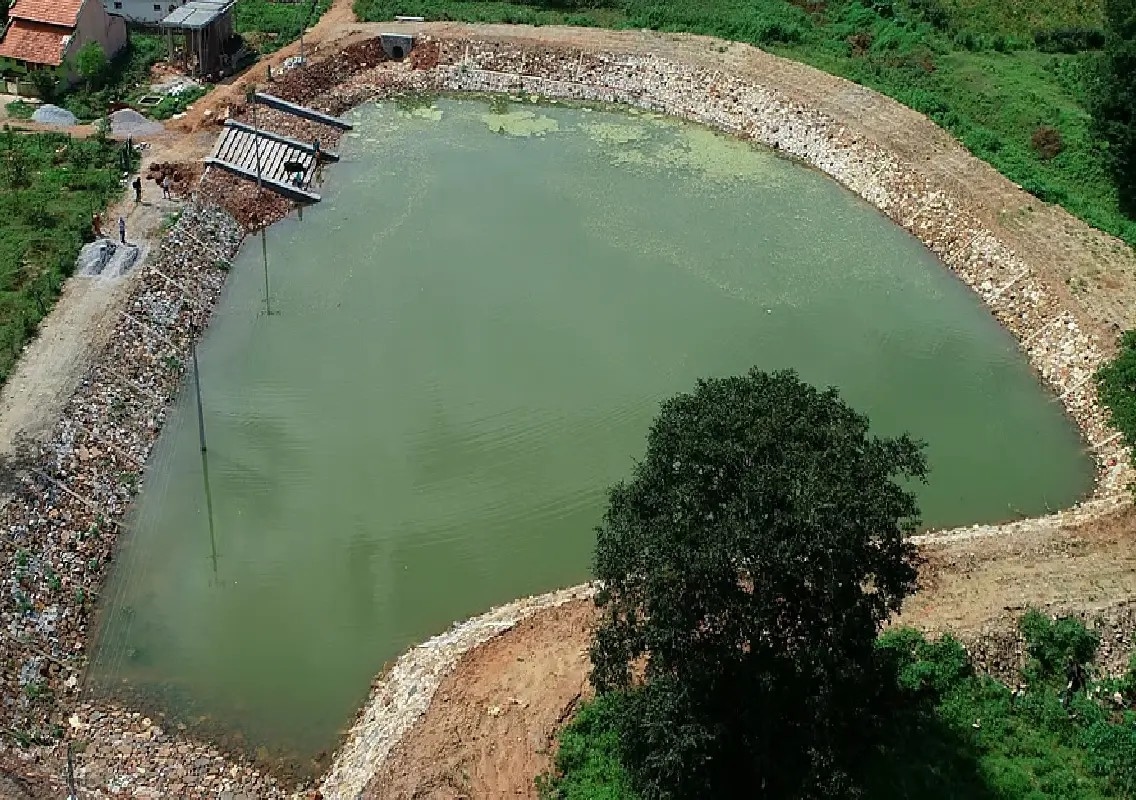


Mysuru: Mysuru Zilla Panchayat is set to mark Independence Day by hoisting the Tricolour at 85 ponds developed under the Amrit Sarovar initiative across the district. The ponds were rejuvenated with the participation of around 2,125 people through the Mahatma Gandhi National Rural Employment Guarantee Act (MGNREGA).
The initiative comes amid deficient rainfall and declining groundwater levels in the region. Through the Independence Day programme, the Zilla Panchayat aims to create awareness about drought management, water conservation and the role individuals and communities can play in protecting local water resources.
Flags to be hoisted at 85 ponds
Local elected representatives and government officials will hoist the national flag at the 85 Amrit Sarovar ponds along with members of self-help groups, youth clubs and civil society organisations.
Schoolchildren will participate in the celebrations by presenting cultural programmes, including patriotic songs and plays. Saplings will also be planted around the ponds to promote environmental conservation.
The programme is intended to give a wider social and environmental significance to the Independence Day celebrations rather than limiting them to traditional ceremonies.
The Zilla Panchayat plans to use the occasion to highlight the importance of protecting water bodies, particularly at a time when the district is facing rainfall deficiency.
Ponds developed under Amrit Sarovar mission
According to Mysuru Zilla Panchayat Deputy Secretary (Development) Bhimappa K Laali, the ponds, each spread across more than one acre, were developed under Mission Amrit Sarovar.
The nationwide water conservation programme was launched in April 2022 with the objective of creating and rejuvenating water bodies and improving water availability in rural areas.
In Mysuru district, the ponds were developed over the past three years using MGNREGA funds. The average cost of developing each pond was around Rs 60 lakh, although the expenditure varied depending on the size and requirements of individual water bodies.
At least 25 local residents were provided employment under MGNREGA at different stages of the development of each pond.
H D Kote and Hunsur have 16 ponds each
The 85 Amrit Sarovar ponds are spread across several taluks of Mysuru district.
H D Kote and Hunsur have 16 ponds each, while Mysuru and T Narasipur taluks have 15 each.
Nanjangud has five ponds, Periyapatna has four, Saligrama has six and Sargur has eight.
The distribution of the water bodies across different parts of the district is expected to strengthen local water conservation efforts and provide communities with additional water storage capacity.
The ponds also provide opportunities for rural employment through MGNREGA while contributing to the development and maintenance of local water resources.
Desilting increases water storage capacity
Bhimappa said several measures were undertaken to rejuvenate the ponds and improve their ability to retain rainwater.
The ponds were desilted and excavated to increase their water storage capacity. Desilting removes accumulated silt and helps restore the original depth and capacity of water bodies.
The bunds around the ponds were also strengthened by constructing and reinforcing embankments. These measures are aimed at reducing erosion and preventing structural damage to the pond boundaries.
The strengthening of bunds is particularly important during periods of heavy rainfall, when increased water flow can put pressure on the embankments.
Inlet and outlet channels improved
The Zilla Panchayat also developed inlet and outlet channels around the ponds.
These channels were cleared, designed and protected to regulate the movement of water into and out of the water bodies. The work was intended to ensure a steady inflow while preventing sewage and other contaminated water from entering the ponds.
Properly managed inlet channels can help direct rainwater into the ponds, while outlet systems can prevent uncontrolled overflow and damage to the surrounding areas.
The measures are expected to improve the overall functioning of the rejuvenated water bodies.
Slope pitching and catchment management
Slope pitching was also carried out to stabilise the inner slopes of the ponds and reduce soil erosion.
The Zilla Panchayat also worked on managing catchment areas, which are the zones from which rainwater flows towards the ponds. Proper management of these areas can help ensure that relatively clean rainwater reaches the water storage basin.
Preventing soil erosion and maintaining clean runoff channels are important for protecting the storage capacity of ponds over the long term.
These measures are particularly relevant during periods of rainfall deficiency, when every available source of rainwater needs to be conserved effectively.
Local trees planted around ponds
Tree plantation has also been included in the rejuvenation programme.
Local species such as Neem, Peepal and Banyan have been planted around the ponds. According to officials, the plantation is intended to improve local ecology while providing shade around the water bodies.
The vegetation can also contribute to soil stability and help create a healthier environment around the ponds.
The Zilla Panchayat plans to continue using such activities to link water conservation with broader environmental protection.
Awareness on rural employment opportunities
Mysuru Zilla Panchayat CEO S Ukesh Kumar said the Independence Day programme will also be used to create awareness about employment opportunities available under the Viksit Bharat–Guarantee for Rozgar and Aajeevika Mission (Gramin), or VB-GRAMG.
The objective is to encourage rural residents to make use of available employment opportunities to support their livelihoods.
The Amrit Sarovar programme itself demonstrates how employment under rural schemes can be linked with the creation of community assets. Local workers were involved in various stages of pond development, including excavation, desilting and strengthening of water bodies.
Focus on drought management
The decision to celebrate Independence Day at the rejuvenated ponds comes against the backdrop of deficient rainfall and falling groundwater levels.
Bhimappa said the programme is intended to create awareness about environmental conservation while also remembering and paying tribute to those who contributed to India’s freedom.
The focus on water conservation is particularly significant for rural communities dependent on agriculture and groundwater.
By bringing elected representatives, officials, self-help groups, youth organisations, civil society groups and schoolchildren together at the ponds, the Zilla Panchayat hopes to encourage collective responsibility towards local natural resources.
Independence Day with an environmental message
The flag-hoisting ceremonies at the 85 Amrit Sarovar ponds will combine the spirit of Independence Day with a message on environmental protection and water security.
The participation of schoolchildren and community groups is expected to give the programme a wider reach and encourage people to take greater responsibility for conserving water.
With the ponds rejuvenated through public funds and local labour, officials are also emphasising the importance of ensuring that the assets remain useful to communities in the long term.
The initiative demonstrates how Independence Day celebrations can be used to promote awareness about pressing local issues while honouring the values associated with India’s freedom movement.