


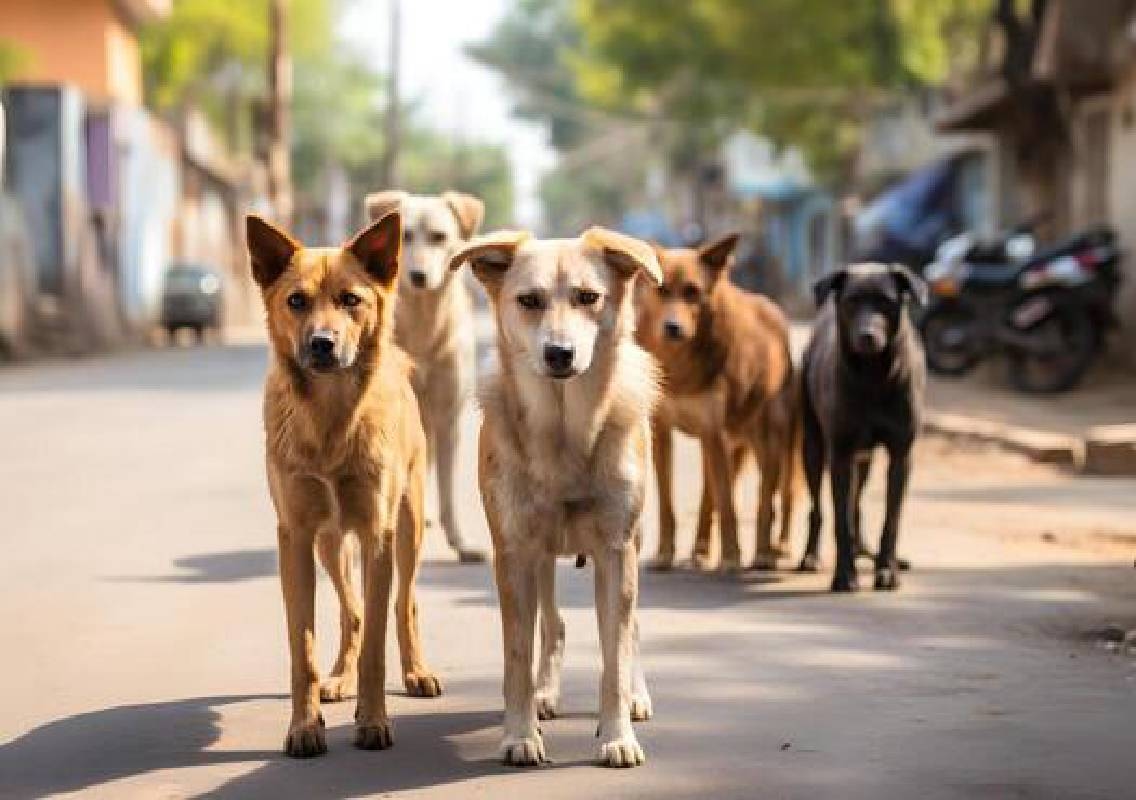


Mysuru: Only 4,101 of the 93,164 stray dogs identified across Mysuru district have been sterilised since the launch of the population-control programme in May 2026, accounting for just 4.4% of the estimated stray dog population.
The slow progress has raised concerns over the implementation of the sterilisation drive, particularly as complaints of stray dog attacks and the risk of rabies continue to remain public safety issues. The figures were reported on November 3.
Sterilisation Drive Makes Limited Progress
The sterilisation programme was launched in May 2026 following the Supreme Court’s directions to control the stray dog population. A survey conducted by the district administration identified 93,164 stray dogs across Mysuru city and the district’s nine taluks.
However, only 4,101 dogs have undergone sterilisation so far. Of these, 3,456 surgeries were performed in Mysuru city and the surrounding taluk area.
The remaining surgeries were distributed across the district as follows:
| Taluk | Dogs sterilised |
|---|---|
| K.R. Nagar and Saligrama | 81 |
| Hunsur | 216 |
| Periyapatna | 28 |
| H.D. Kote | 35 |
| Saragur | 32 |
| Nanjangud | 121 |
| T. Narasipur | 132 |
The figures indicate that the programme has covered only a small proportion of the identified stray dog population since its launch.
Delay in Capturing Dogs Slows Programme
Officials have pointed to delays in capturing stray dogs as one of the major reasons behind the slow progress.
The responsibility for capturing dogs has been assigned to the Mysuru City Corporation (MCC) and the respective Taluk Panchayats. The Animal Husbandry Department is responsible for conducting sterilisation surgeries, with arrangements made for post-operative care at designated shelters.
However, officials have reportedly observed that local body staff are bringing dogs for sterilisation only once or twice a week instead of doing so daily.
This has affected the pace of surgeries despite the availability of veterinarians, supporting staff and medical equipment. Better coordination between the local bodies and the Animal Husbandry Department is considered essential to meet the programme’s targets.
Although the government has earmarked funds for the initiative, delays in implementation and coordination have emerged as major concerns.
Five Rabies Deaths Reported in Mysuru District
The slow implementation of the sterilisation programme has also raised concerns about public safety, particularly in view of dog-bite incidents and rabies cases.
According to data from the Integrated Health Information Platform (IHIP) and the Health Department, five people died of rabies in Mysuru district over the past two years.
Four deaths were reported in 2024, while one death was recorded in H.D. Kote in 2025. Karnataka recorded 126 rabies-related deaths during the same period.
Rabies is a viral disease that affects the central nervous system and brain. Once clinical symptoms appear, the disease is almost invariably fatal. Timely medical attention and appropriate post-exposure treatment following an animal bite are therefore essential.
The reported deaths have renewed attention on the need for effective dog-bite prevention, vaccination and population-control measures.
Veterinarians Ready to Conduct More Surgeries
Mysuru Chief Veterinary Officer Dr Krishnappa said the Animal Husbandry Department has the necessary veterinarians, supporting staff and medical equipment to carry out sterilisation surgeries.
He stated that veterinarians were ready to perform the procedures if the local bodies brought stray dogs to the designated facilities regularly.
According to him, the prescribed target could be achieved within the stipulated timeframe if MCC and Taluk Panchayat staff captured and handed over dogs for sterilisation every day.
He urged the local bodies to improve their efforts and ensure that the programme was implemented effectively.
Need for Better Coordination and Monitoring
The limited progress of the sterilisation drive has brought the responsibilities of local bodies and the Animal Husbandry Department under scrutiny.
With more than 93,000 stray dogs identified across the district, authorities face the challenge of scaling up the programme and ensuring that sterilisation operations are conducted regularly.
The figures also highlight the importance of combining sterilisation with vaccination, proper post-operative care and public awareness to address concerns surrounding stray dogs.
The district administration will need stronger coordination between the civic bodies and veterinary teams to improve the pace of the programme and achieve its intended objectives.