







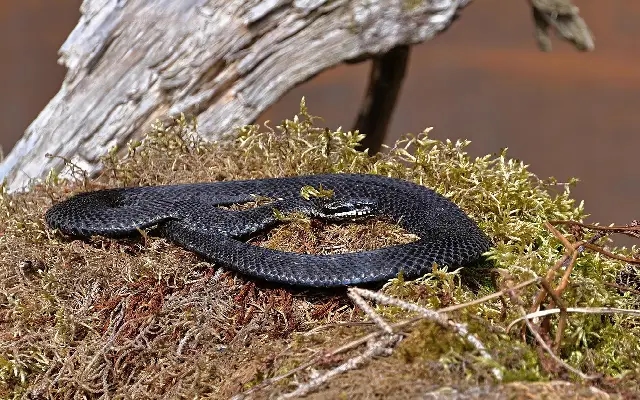


Mysuru: Over the past 17 months, Mysuru district has recorded 1,033 snakebite incidents, with 84 occurring within the city limits. Sadly, five people have died—one of them in urban Mysuru. In response, health officials have formed five dedicated teams to manage snakebite emergencies and are ensuring treatment facilities are available across the district.
Cases have emerged not just from rural villages but also from densely populated city areas like Saraswathipuram, Srirampura, Dattagalli, KR Mill, and Gundrao Nagar. Even bustling commercial zones such as Devaraj Urs Road and Irwin Road have seen snake rescues.
The monsoon season marks a peak in snake sightings, as reptiles search for dry, warm spots during hatching time. They are often found lurking near paddy field edges, wood piles, shoe racks, cattle sheds, and LPG cylinder enclosures. Some slither into drainage lines, shoes, or household corners.
“Snakes typically reduce feeding during egg incubation, but once hatchlings emerge, they become active hunters,” explained snake rescuer Shivakumar. “Avoiding waste buildup and staying alert, especially at night, is key.”
Juvenile snakes like kraits are hard to identify, while adults like cobras and Russell’s vipers are more easily recognised. Hump-nosed vipers are also venomous, Shivakumar added.
District surveillance officer Dr Nagaraju emphasized that victims should visit the nearest government hospital immediately—regardless of whether the snake is venomous. Anti-venom is readily stocked at primary, taluk, and district-level hospitals.
Dr P C Kumaraswamy, the district health officer, confirmed an audit will be conducted into all snakebite-related deaths.