







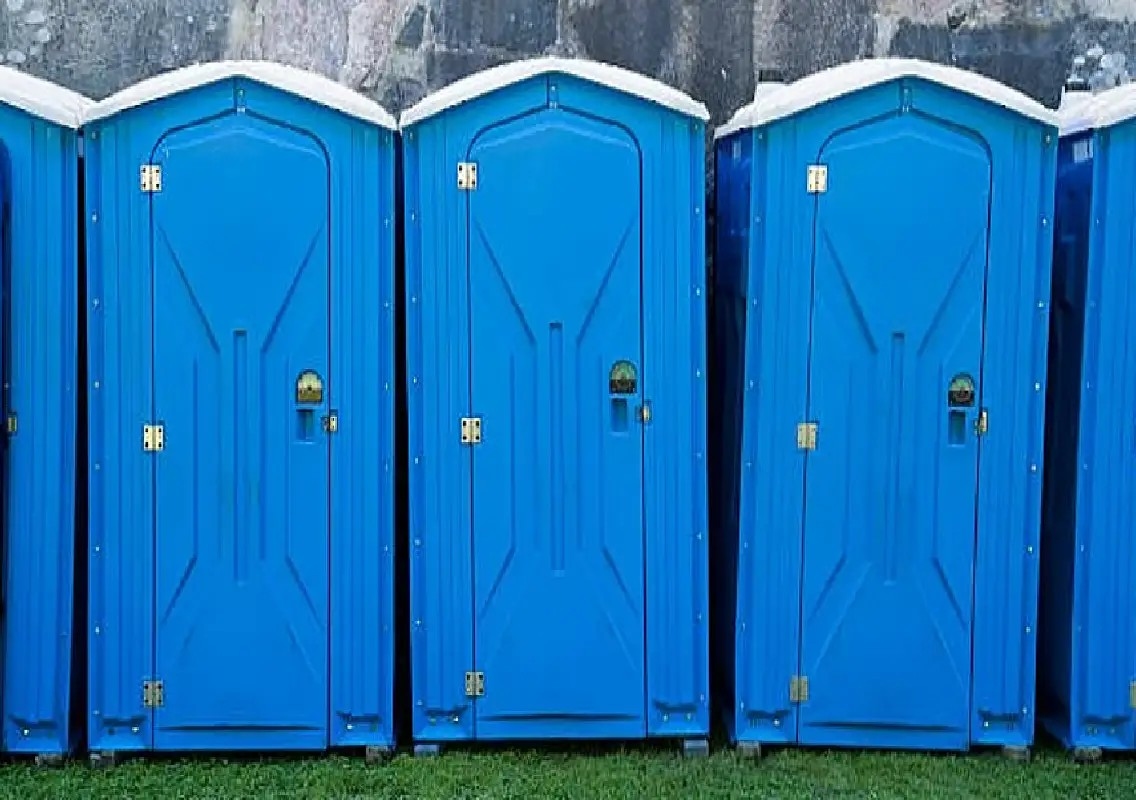


Mysuru: Despite being recognised as one of the cleanest cities in the country, nearly half of Mysuru‘s wards do not have public toilet facilities, a recent study has revealed.
A cross-sectional survey conducted by the Centre for the Study of Social Inclusion at the University of Mysore found that 30 of the 65 wards under the Mysuru City Corporation (MCC), accounting for 46.2 per cent of the city’s wards, do not have any public toilets. Additionally, public toilets in nine wards remain closed.
The study, titled Public Toilet Infrastructure and Service Delivery in Mysuru City, India: A Rapid Assessment of Urban Sanitation Challenges, was carried out by researchers Dr D.C. Nanjunda, Dr Krishna Murthy and Dr Mahadevaiah.
Thirty wards have no public toilets
According to the study, there are no public toilets in wards 1, 3, 4, 5, 8, 9, 12, 13, 14, 15, 16, 17, 18, 22, 24, 28, 29, 30, 31, 32, 33, 34, 39, 43, 44, 48, 53, 58, 59 and 65.
The survey also found that public toilets in wards 10, 35, 38, 42, 47, 55, 57, 60 and 64 are currently closed, reportedly because of poor usage and lack of revenue generation.
Researchers assessed 38 public toilet facilities out of the 48 existing facilities across the city to understand the quality of service delivery in accordance with National Sanitation Guidelines and the objectives of the Swachh Bharat Mission.
Maintenance standards vary widely
The study revealed significant disparities in the maintenance and functioning of public toilets.
Only 9.2 per cent of the facilities, located in six wards, were rated as having excellent maintenance standards. Another 12.3 per cent were rated as good, while 9.2 per cent were classified as average.
However, 7.7 per cent of the toilets were rated poor, and an equal proportion were categorised as being in very poor condition.
Among the available facilities, 62 per cent are public toilets, 8 per cent are community toilets and 30 per cent are operated on a pay-and-use basis.
The study found that 68 per cent of the facilities are managed by government agencies, 5 per cent by private individuals and 27 per cent under public-private partnership arrangements.
Accessibility and hygiene concerns
The report showed that 84 per cent of the toilets have separate facilities for men and women, while only 22 per cent are equipped with disabled-friendly infrastructure.
About 78 per cent of the facilities are easily accessible, and 65 per cent were found to be safe for women users.
Only 27 per cent of the toilets have sanitary waste disposal systems, and incinerators are available in just 14 per cent of the facilities.
The survey also highlighted gaps in hygiene and maintenance. Regular cleaning was taking place in only 51 per cent of the facilities, and caretakers were present in merely 32 per cent of the toilets.
While 68 per cent of the facilities had proper hand-washing arrangements and 65 per cent provided soap, nearly 42 per cent suffered from unpleasant odours due to drainage issues.
Experts seek reforms and better monitoring
Dr Nanjunda recommended introducing a real-time monitoring system, third-party evaluations and regular audits of public toilet facilities.
He also suggested establishing feedback and grievance redressal mechanisms to improve standards of cleanliness, maintenance and safety.
The study recommended a user-centric approach that includes facilities for children, women and persons with disabilities. It called for the installation of sanitary napkin vending machines, disposal units, ramps, handrails and adequate space for wheelchair users.
The researchers also suggested that every ward should have at least four well-maintained public toilets with continuous water supply and proper infrastructure.
In addition, the Mysuru City Corporation has been urged to conduct behavioural change communication campaigns and organise regular training programmes for caretakers.
Public health and tourism concerns
General physician Dr Sanjeev Rao Girimaji warned that poorly maintained toilets can harbour bacteria, viruses and fungi, leading to urinary tract infections, gastroenteritis and respiratory problems.
Founder member of the Karnataka Tourism Society, M. Ravi, said clean and well-maintained toilets are a basic necessity for Mysuru, which is one of Karnataka’s leading tourism destinations.
The findings of the study underline the need for urgent improvements in urban sanitation infrastructure to ensure that Mysuru’s reputation as a clean and tourist-friendly city is matched by adequate public amenities.