







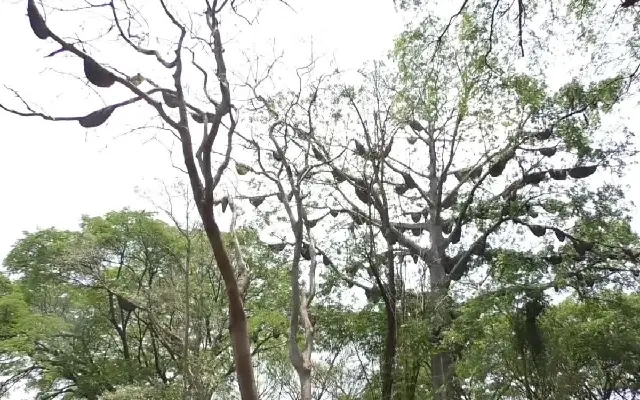


Mysuru, the cultural capital of Karnataka known for its royal heritage and tourist charm, hides a buzzing natural marvel in plain sight. Each year, from December to February, over 150 honey bee colonies flock to a 150-foot cottonwood tree within the Central Horticulture Department—right in the heart of the city.
Nature’s Ritual in the City
Despite the short life span of each bee—just 28 to 48 days—the cycle of life never breaks. New generations continue the legacy as queen bees lay up to 2,000 eggs a day. Remarkably, although the individual bees perish before the next season, fresh colonies return year after year to the same tree. The origins and navigational memory of these bees remain a mystery, even to experts.
A Decade of Quiet Observation
Javaregowda, a horticulture department supervisor who has tracked this phenomenon for over ten years, marvels at the bees’ loyalty. “They came in February this year, and more keep arriving. Their numbers are actually increasing,” he noted.
Perfect Habitat, Perfect Harmony
The tree is an ideal nesting site—tall, undisturbed, and rich with food and water from nearby tanks. The area is peaceful, free from public interference, and even noisy festivities like election celebrations haven’t disrupted the colonies. “It’s like the bees have adapted to urban life,” says Javaregowda.
A Model for Coexistence
Public interaction with the bees has been minimal and mostly peaceful. “They behave like seasonal visitors—come, settle, and leave quietly,” he added.
A Gentle Reminder
Javaregowda’s message is clear: “We are lucky to still live in harmony with nature. Let’s preserve this rare balance for future generations.”
Read Also: