







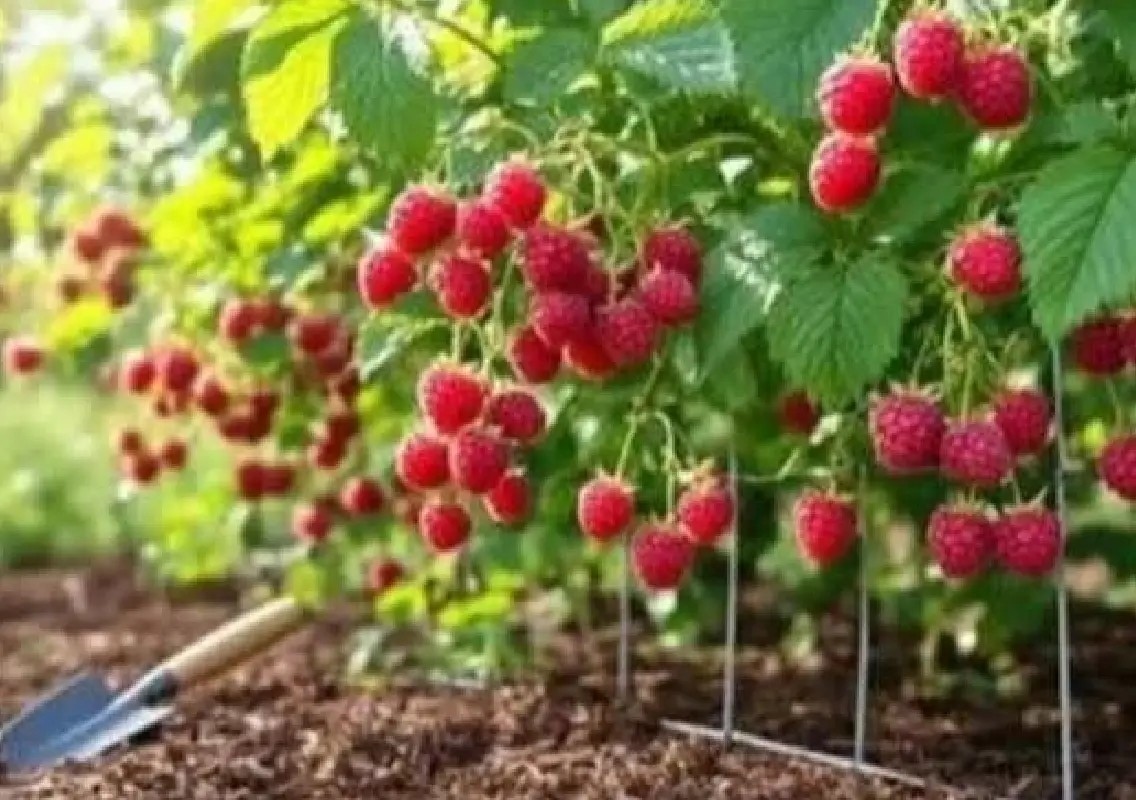


New Delhi : For gardeners looking for a hardy fruit-bearing plant that does not require the space of a conventional fruit tree, karonda (Carissa carandas) can be an excellent choice. The evergreen shrub is native to the Indian subcontinent and is valued for its attractive foliage, flowers and small edible fruits.
Karonda can occupy the space between a hedge and a fruit tree. Its dense growth makes it useful as a garden boundary, while its berries provide an additional attraction. The plant is also known for its ability to tolerate warm and relatively dry conditions, making it suitable for many parts of India.
A hardy shrub with edible fruit
Karonda is a thorny, branching shrub that can grow into a dense plant when given suitable conditions. Its small white flowers are followed by fruits that change colour as they mature, eventually becoming pink, red or dark purple.
The berries can be eaten fresh when ripe and are also commonly used in Indian cuisine. They can be made into pickles, chutneys, preserves and other preparations.
The plant’s combination of ornamental value and edible fruit makes it useful for home gardens where gardeners want both greenery and productivity.
Choose the right location
Karonda generally grows well in warm, sunny conditions. A location receiving several hours of direct sunlight each day can encourage healthy growth and fruit production.
When planting it in a garden, choose a spot where the shrub has enough room to spread. Because the plant has thorns and can become dense, it can also work well along boundaries or as a natural protective hedge.
Good sunlight is particularly important if the primary aim is to encourage flowering and fruiting.
Soil and watering requirements
Karonda is relatively tolerant of different soil conditions, provided the soil has adequate drainage. Waterlogged soil can create problems for the roots, so gardeners should avoid planting it in places where water tends to remain stagnant.
Young plants require regular watering while they establish themselves. Once established, karonda can tolerate periods of relatively dry weather better than many fruit plants.
Watering should nevertheless be adjusted according to the season, soil and local climate. During prolonged dry periods, providing adequate moisture can help maintain healthy growth.
Pruning helps maintain shape
Regular pruning can help gardeners control the size and shape of the shrub. Removing weak, damaged or overcrowded branches can improve the plant’s structure and allow better air circulation.
Pruning can also be useful when karonda is grown as a hedge. Gardeners should take care when handling the plant because of its thorns.
Avoid excessive pruning during periods when the plant is actively flowering or fruiting if the objective is to maximise the harvest.
Fertilisation and general care
Karonda is considered relatively low-maintenance once established. However, providing suitable nutrients can encourage healthy growth.
Adding well-decomposed organic matter or compost to the soil can improve soil structure and provide nutrients. A balanced fertiliser may also be used when necessary, depending on soil conditions and the plant’s growth.
Regularly checking the shrub for pests, damaged branches and signs of disease can help identify problems early.
A useful plant for Indian gardens
Karonda’s tolerance of warm conditions makes it particularly suitable for many Indian gardens. It can be grown in the ground and, with appropriate care and space, can also be considered for larger containers.
Its dense foliage can provide greenery and privacy, while the fruits add a productive element to the garden.
For homeowners with limited space, the plant offers an attractive alternative to larger fruit trees. It can serve as a boundary plant while still producing an edible crop.
From garden shrub to kitchen ingredient
One of karonda’s greatest attractions is its versatility. The fruit has long been used in Indian kitchens, particularly in pickles and preserves.
The berries’ distinctive taste makes them useful in preparations where a combination of sourness and flavour is desired. Ripe fruits can also be enjoyed as part of seasonal home harvests.
Growing karonda therefore offers more than ornamental greenery. With the right sunlight, well-drained soil, moderate watering and occasional pruning, the shrub can become a productive and attractive part of a home garden.
For gardeners seeking a hardy, fruit-bearing Indian plant that requires comparatively little attention, karonda is a practical choice. Its ability to combine the functions of a hedge, ornamental shrub and fruit plant makes it an underrated addition to gardens across suitable parts of the country.