







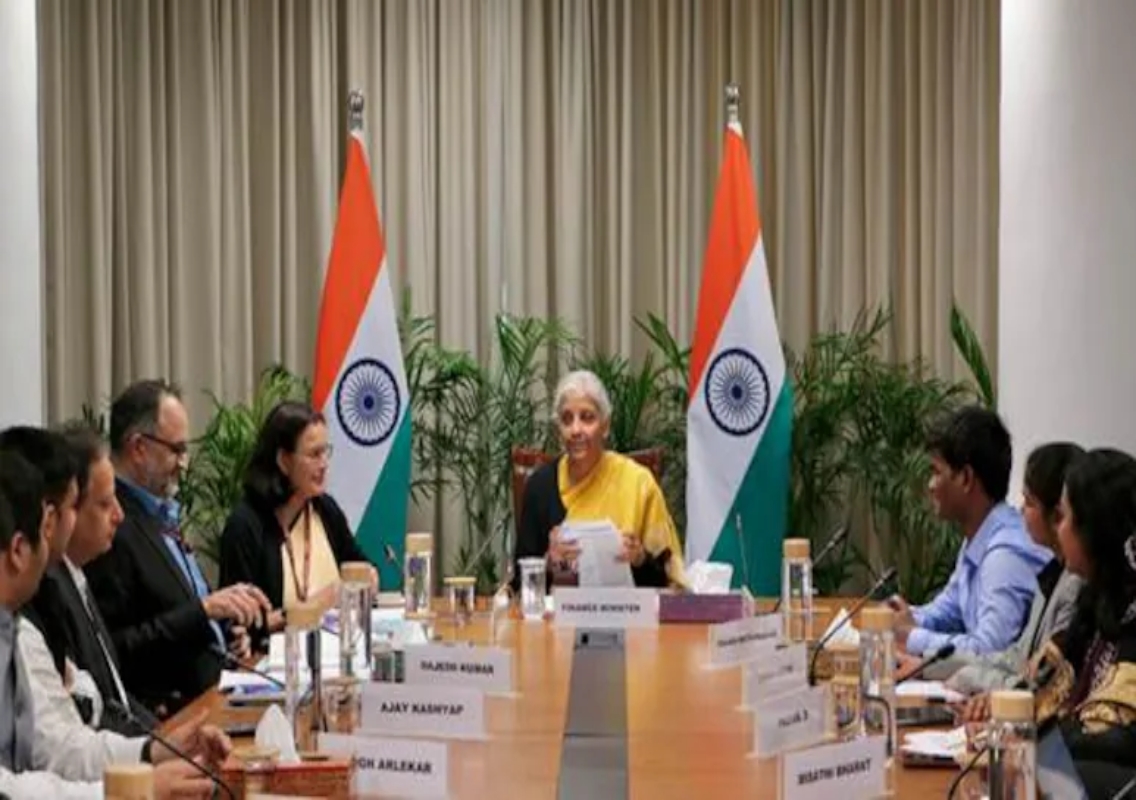


NEW DELHI: A nationwide newspaper-reading initiative for schoolchildren has been proposed to the Finance Ministry as part of the pre-budget consultations for the Union Budget 2027-28.
The proposal seeks to ensure that every child in India can read and comprehend a newspaper by the time they complete Grade 5. The suggestion emerged during discussions involving stakeholders from the education sector and was included among the recommendations submitted ahead of the next Union Budget.
The initiative is intended to strengthen reading ability and comprehension among children at an early stage of their education. Rather than focusing only on the ability to read words, the proposal emphasises understanding information presented in newspapers.
The recommendation comes as the government completes its extensive consultations with representatives from different sectors to identify priorities for the 2027-28 Budget.
Finance Ministry concludes 13 pre-budget consultations
Union Finance Minister Nirmala Sitharaman chaired 13 pre-budget consultation meetings between November 16 and November 26, 2026.
According to the Ministry of Finance, more than 200 stakeholders representing 13 sectors and groups participated in the discussions. The participants included industry associations, domain experts, business leaders, academics, practitioners and youth representatives.
The consultations covered agriculture and rural development, manufacturing, micro, small and medium enterprises (MSMEs), startups, capital markets, banking, financial services, insurance, information technology, infrastructure, energy, employment, housing, healthcare, education, research and development.
The meeting with youth representatives was a new initiative this year, allowing young people to contribute directly to discussions on the country’s economic and development priorities.
Senior officials, including Department of Economic Affairs Secretary Anuradha Thakur and Chief Economic Adviser V. Anantha Nageswaran, also participated in the consultations.
Why newspaper reading by Grade 5 matters
The proposed reading movement places emphasis on building children’s ability to understand information from newspapers by the end of primary education.
Reading comprehension is different from simply recognising words or reading sentences aloud. It involves understanding the meaning of a passage, identifying important information and interpreting what is being communicated.
Newspapers can provide children with exposure to a variety of subjects, including science, environment, sports, society, geography and current affairs. Regular reading can also introduce them to different writing styles and help develop vocabulary.
A nationwide initiative could encourage schools to make newspaper reading a more regular part of classroom activities. However, the official announcement does not specify the proposed programme’s implementation model, funding requirements, choice of newspapers or assessment mechanism.
These details would need to be worked out if the recommendation is adopted.
Other education and youth-related proposals
The newspaper literacy suggestion was part of a wider set of recommendations focused on improving education, skills and employment opportunities.
Stakeholders from the education sector also discussed the importance of strengthening human capital and improving learning outcomes.
The consultations covered school education, vocational education, skilling, sports, research and higher education. These areas are considered important for preparing students for changing employment requirements and supporting innovation.
The broader recommendations also included accelerating the development of Tier-2 and Tier-3 cities to create more opportunities for young people moving from education into employment and entrepreneurship.
The emphasis on smaller cities reflects the need to expand economic opportunities beyond major metropolitan centres.
AI, manufacturing and agriculture among other Budget suggestions
Apart from education, stakeholders submitted several proposals concerning technology, manufacturing and agriculture.
One recommendation called for the development of sector-specific artificial intelligence models optimised for locally available hardware. The proposal aims to strengthen India’s AI capabilities and improve the competitiveness of domestic technology development.
In agriculture, participants recommended promoting domestic manufacturing of biofertilisers and advanced biotechnology-based agricultural inputs.
The consultations also highlighted the need to improve cyber-hygiene awareness among MSMEs and smaller financial institutions. Such measures could help smaller organisations strengthen their preparedness against digital threats.
Another proposal focused on supporting rural youth and workers in moving towards productive non-farm employment and sustainable enterprises.
These recommendations reflect the broader objective of linking economic growth with employment generation, technological development and improved productivity.
Rental housing and development of smaller cities
Housing and urban development also featured prominently in the pre-budget discussions.
Stakeholders recommended giving greater importance to rental housing as a way to expand affordable accommodation options in urban areas.
The proposal is relevant for people moving to cities for employment and education, particularly those who may not be in a position to purchase a house.
Participants also called for faster development of Tier-2 and Tier-3 cities. Better infrastructure and employment opportunities in these locations could help young people pursue careers and business ventures closer to their home regions.
The suggestions are part of a wider effort to strengthen social and economic infrastructure while supporting more balanced regional development.
Will the newspaper-reading proposal feature in Budget 2027?
The nationwide reading movement is currently a stakeholder recommendation, not an approved government scheme.
The pre-budget consultations allow representatives from different sectors to communicate their priorities and suggestions to the Finance Ministry. The government considers these inputs while preparing the Union Budget, but participation in the consultations does not guarantee that every proposal will be included.
No specific budget allocation, launch date or implementation guidelines for the newspaper-reading initiative have been announced.
The proposal will therefore need further consideration before it can become a nationwide programme.
If adopted, the initiative could place newspaper comprehension among the measurable learning objectives for primary schoolchildren. Its success would depend on how schools, teachers, education departments and other stakeholders translate the recommendation into regular classroom practice.
The Union Budget 2027-28 is expected to provide a clearer picture of the government’s priorities for education, skills and human capital development.