







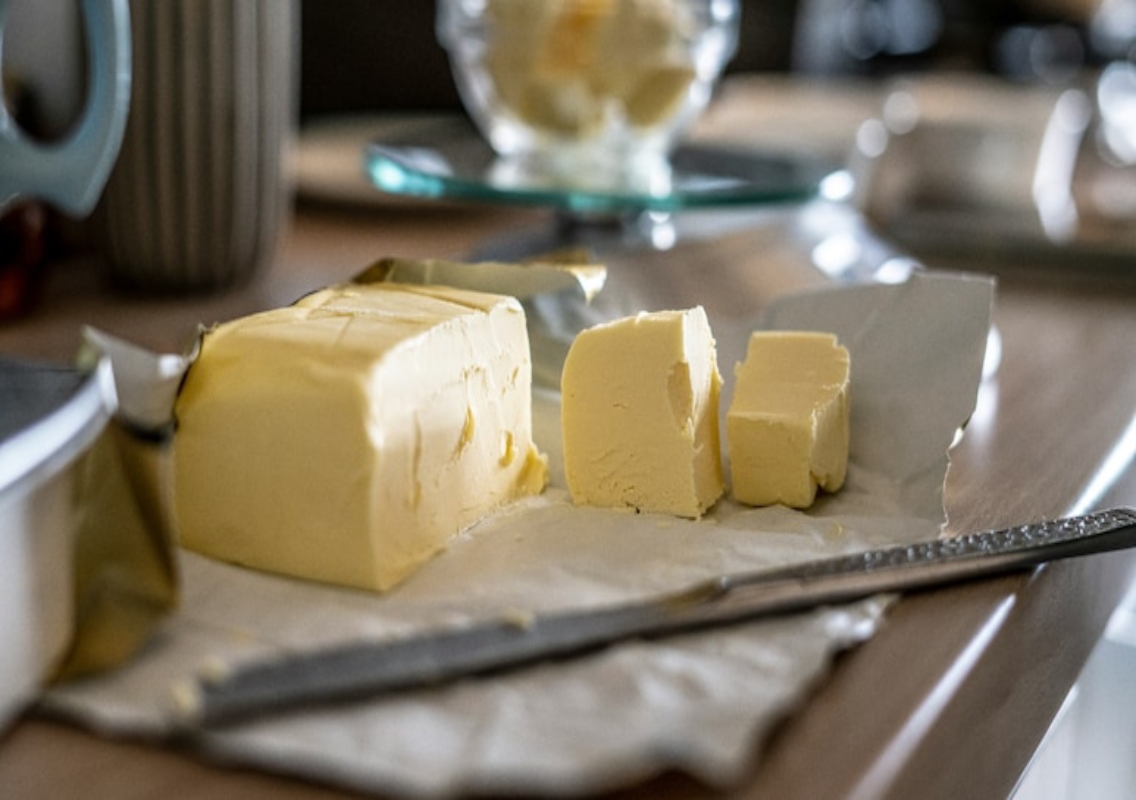


NEW DELHI: Consumers in India may have to pay more for butter, ghee and fresh cream in the coming months as dairy companies face tightening milk-fat supplies, rising procurement costs and depleted inventories.
The seasonal increase in milk production during winter has been weaker than expected, largely due to inadequate rainfall, limited green fodder and water shortages in several milk-producing regions. The situation is particularly challenging in Karnataka and Maharashtra, where weather-related pressures have affected cattle productivity and milk procurement.
The shortage of milk fat is affecting dairy companies’ ability to manufacture and replenish stocks of high-fat products such as butter and ghee.
India produces more milk, but milk-fat supply remains tight
India continues to be the world’s largest milk producer. However, overall milk production figures do not necessarily reflect the availability of milk fat required to manufacture butter, ghee and cream.
According to the government’s Basic Animal Husbandry Statistics 2026, India’s milk production increased by 2.4% to 253.81 million tonnes in fiscal 2026, compared with 247.87 million tonnes in the previous financial year.
However, the growth rate has slowed from 3.58% in fiscal 2025 and remains below the 10-year compound annual growth rate of 5.41%.
This difference between overall milk production and milk-fat availability is important because butter and ghee require milk with sufficient fat content. Even when total milk production increases, the supply of fat may not rise at the same pace.
Amul’s milk procurement reportedly falls by 15%
The supply pressure is also affecting major dairy cooperatives and private companies.
Amul, India’s largest dairy cooperative, has reportedly recorded a decline of around 15% in its daily milk procurement from its usual 35 million litres. Distributors have also reported shortages of butter, ghee and fresh cream across parts of its distribution network.
Some distributors have faced difficulties obtaining ghee supplies for several months, with certain distributors reporting that stocks have been unavailable for as long as eight months.
Dairy companies generally use the winter flush season, when milk production traditionally increases, to build inventories. They procure additional milk, separate the cream to manufacture butter and convert the remaining skimmed milk into powder. These products can then be stored and used when milk availability declines.
However, weaker-than-expected production has reduced the opportunity to replenish these stocks, adding pressure on the availability of high-fat dairy products.
Why the shift towards cow milk matters
The changing composition of India’s milk production is another factor influencing the availability of milk fat.
Buffaloes accounted for approximately 43% of India’s milk production in fiscal 2025. Buffalo milk generally contains a higher percentage of fat than cow milk.
Consequently, a shift towards a greater share of cow milk can increase total milk production without delivering a proportionate increase in the milk fat available for butter and ghee manufacturing.
This creates a supply challenge for dairy companies that depend on milk fat as a key raw material for their high-value products.
Cattle-feed costs rise by 15-20%
Higher cattle-feed expenses are adding to the financial pressure on dairy farmers and manufacturers.
Cattle-feed costs were reportedly 15-20% higher year-on-year in September 2026. Prices of maize, de-oiled rice bran cake and soya-based ingredients have increased, making it more expensive to maintain cattle and support milk production.
The impact is being felt in procurement costs. Milky Mist, for instance, reportedly increased the prices it pays for milk procurement by 10-11% in recent months to support farmer payments and offset higher feed and fodder expenses.
Companies are also adopting selective procurement and allocation strategies to manage limited supplies and protect the availability of their branded products.
The pressure, however, varies across regions. Areas with better rainfall and adequate fodder stocks have been relatively better placed than regions facing water shortages and weaker green-fodder availability. Mint
Butter prices have increased sharply over three years
The pressure on milk-fat supplies is already reflected in dairy commodity prices.
The average ex-dairy price of butter increased by 54.3% between October 2023 and October 2026, rising from Rs 348 per kg to Rs 537 per kg.
In comparison, skimmed milk powder prices increased by 18% during the same period, reaching Rs 295 per kg from Rs 250 per kg.
The difference highlights the sharper increase in the cost of milk fat compared with skimmed milk solids.
The price pressure has also reached retail consumers, Amul increased the maximum retail price of its one-litre cow ghee pouch from Rs 695 to Rs 735 and its 500-gram table butter pack from Rs 310 to Rs 325, with the revised prices effective November 2, 2026.
Karnataka dairy farmers and consumers may feel the impact
Karnataka is among the states facing pressure from inadequate fodder availability and higher cattle-maintenance costs.
The Karnataka government has increased the base milk procurement price from Rs 35 to Rs 42 per litre with effect from November 1, 2026
While higher procurement prices can improve returns for dairy farmers, they also increase the raw-material costs for dairy processors.
If milk-fat inventories remain low, procurement costs could stay firm through fiscal 2027. This may lead companies to consider further price revisions in butter, ghee and fresh cream, depending on supply conditions and their ability to absorb higher costs.
When could prices stabilise?
A sustained improvement in the availability of butter and ghee will depend on better rainfall conditions, adequate green fodder, improved cattle nutrition and a recovery in milk productivity.
Dairy companies will also need time to rebuild inventories after the seasonal production shortfall.
According to industry assessments cited in the reports, supply constraints could continue for the next few months. However, the timing and extent of any additional retail price increases will depend on individual companies and market conditions.
For consumers, the immediate concern is the possibility of higher household spending on commonly used dairy products. Butter, ghee and fresh cream are widely used in Indian cooking, food processing and the hospitality industry, making prolonged supply pressure relevant to both households and businesses.
Conclusion
India’s dairy sector is facing a milk-fat supply challenge despite the country’s position as the world’s largest milk producer. Weak rainfall, limited fodder, higher cattle-feed expenses and depleted inventories have combined to put pressure on butter and ghee production.
If these conditions persist, consumers could see further price increases in the coming months. A recovery in fodder availability and milk productivity will be crucial to easing the pressure on dairy companies and stabilising supplies.