









Shivamogga: In a move to combat mosquito breeding and prevent the spread of infectious diseases, the health department of Shivamogga district has introduced guppy fish into local water bodies.
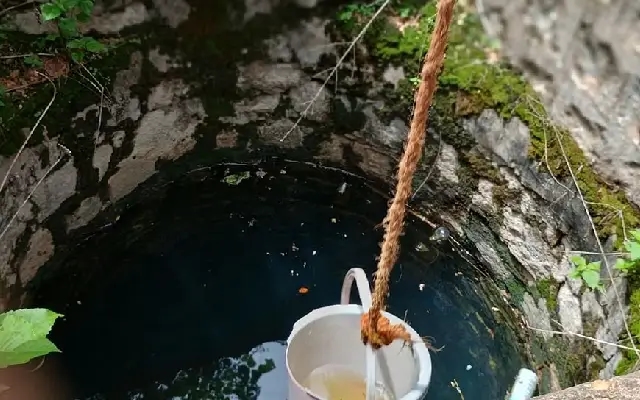
At Donbaghatta village in Bhadravati taluk, guppy fish were released into an open well as part of a broader initiative to control mosquito populations at their source. These small but effective fish consume mosquito larvae, thus reducing the risk of diseases like dengue. So far, 236 dengue cases have been reported in the district.
With the rainy season potentially increasing the prevalence of infectious diseases, the health department is proactively using guppy fish to nip the mosquito problem in the bud. The district boasts 80 guppy fish breeding centers, primarily located at primary health centers, and has initiated the release of these fish at 1,500 sites—a significant increase from last year’s 1,300 locations.
The department’s strategy includes releasing 300 to 400 guppies in small open wells and up to 1,000 in larger lakes. Dr. Gudappa Kasabi, District Malaria Control Officer, highlighted the importance of not storing water for more than a week to prevent mosquito breeding and urged regular cleaning of water containers.
However, there is a noted lack of cooperation from some residents during house inspections for water storage. Basavaraja, a department staff member, expressed frustration over homeowners’ reluctance to discard water stored for over a week despite being advised to do so.