









New Delhi: The ongoing process to finalise a commercial partner for the All India Football Federation has sparked debate, with stakeholders calling for careful scrutiny without causing delays that could impact Indian football’s future.
At the centre of the discussion is the role of Indian Super League (ISL) clubs in evaluating bids submitted by companies such as Genius Sports and FanCode. While clubs have sought greater involvement in understanding the proposals, questions have arisen over whether this additional step could slow down an already time-sensitive decision.
Questions over evaluation process
Concerns have been raised about the necessity of ISL clubs directly engaging with bidders, especially since two club representatives were already part of the bid evaluation committee. Critics argue that the committee’s primary function is to assess bids comprehensively, including business plans, revenue models, and operational strategies.
However, ISL clubs have defended their position, stating that the decision will significantly influence the structure and long-term direction of Indian football. In a communication to AIFF, clubs emphasised the need to understand bidders’ financial models, cost structures, and strategic vision before arriving at a collective decision.
While this demand is reasonable, it has also led to questions about whether involving all 14 clubs at this stage could have been avoided had the evaluation committee been more inclusive or transparent from the outset.
Financial stakes and bid values
The commercial stakes are substantial, with bids reportedly valued at approximately ₹2,130 crore and ₹1,190 crore over a 15+5 year cycle. Despite these figures, industry observers note that the annual returns offered by bidders fall short of earlier projections.
Clubs have cited estimates from the league’s former commercial partner, Football Sports Development Limited (FSDL), which suggested that operating the league could cost around ₹160 crore per season. This includes roughly ₹60 crore for production, ₹31 crore for marketing, and ₹15 crore for salaries.
In comparison, Genius Sports is believed to have bid around $7 million (approximately ₹64 crore) annually, while FanCode’s bid is estimated at ₹36 crore per year, both with a 5% annual increment. The gap between projected costs and expected revenues has intensified the need for careful evaluation.
Broadcast rights and market dynamics
Adding to the complexity is the relatively modest value of broadcast rights for the current season. While Reliance Industries-owned entities have previously been associated with the league, the latest bids reflect a cautious market outlook.
The bid evaluation committee reportedly awarded broadcast rights to FanCode for ₹8.5 crore, surpassing a competing offer of around ₹5 crore. This has raised concerns about the commercial sustainability of the league and the need for a robust long-term partner.
Delays and governance concerns
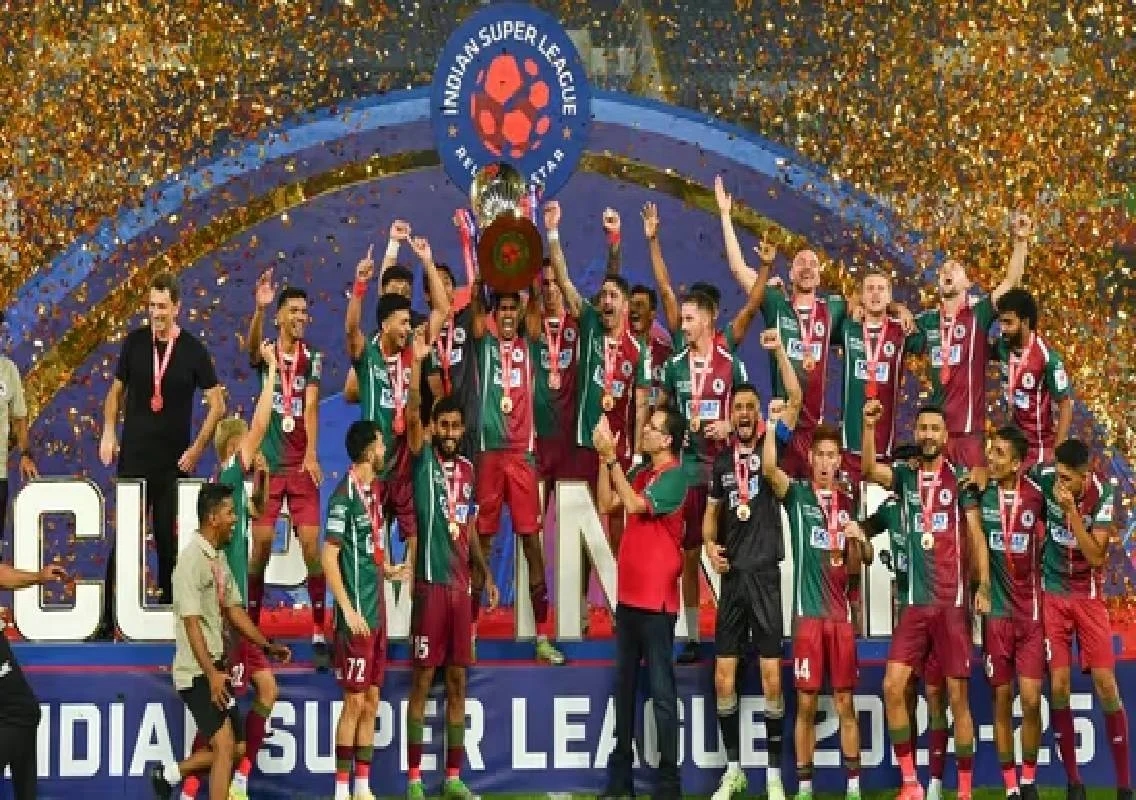
The issue of delays is not new for AIFF. The federation has faced criticism for missing deadlines and lacking clarity in governance matters. For instance, the deadline for clubs to pay the first instalment of ₹30 lakh for the current season was March 5, but payments were delayed, with reigning champions Mohun Bagan Super Giant completing payment only on April 6.
Additionally, key governance structures such as the governing council and management committee have faced disruptions. The management committee was briefly disbanded before being reinstated, while details about the governing council remain unclear. The participation agreement for the league has also not yet been finalised.
Such inconsistencies have led to concerns that similar delays in finalising a commercial partner could jeopardise future seasons.
Call for balance between diligence and urgency
Stakeholders, including AIFF executive committee member Avijit Paul, have raised important questions about the federation’s long-term strategy. In a recent communication, Paul cautioned against committing to a long-term deal, noting that the current committee’s tenure ends in six months.
At the same time, ISL clubs have clarified that their request for meetings with bidders should not be seen as an attempt to delay the process. They have asked for “reasonable time” to deliberate internally before presenting a collective view.
The key challenge now lies in defining what constitutes “reasonable time” and ensuring that deadlines are strictly followed.
Conclusion
The AIFF stands at a critical juncture where it must balance thorough evaluation with timely decision-making. While stakeholder involvement is essential for transparency and long-term success, prolonged delays could disrupt the league’s continuity and credibility. Moving forward, the federation and clubs must align on timelines and responsibilities to ensure that diligence does not turn into delay.