







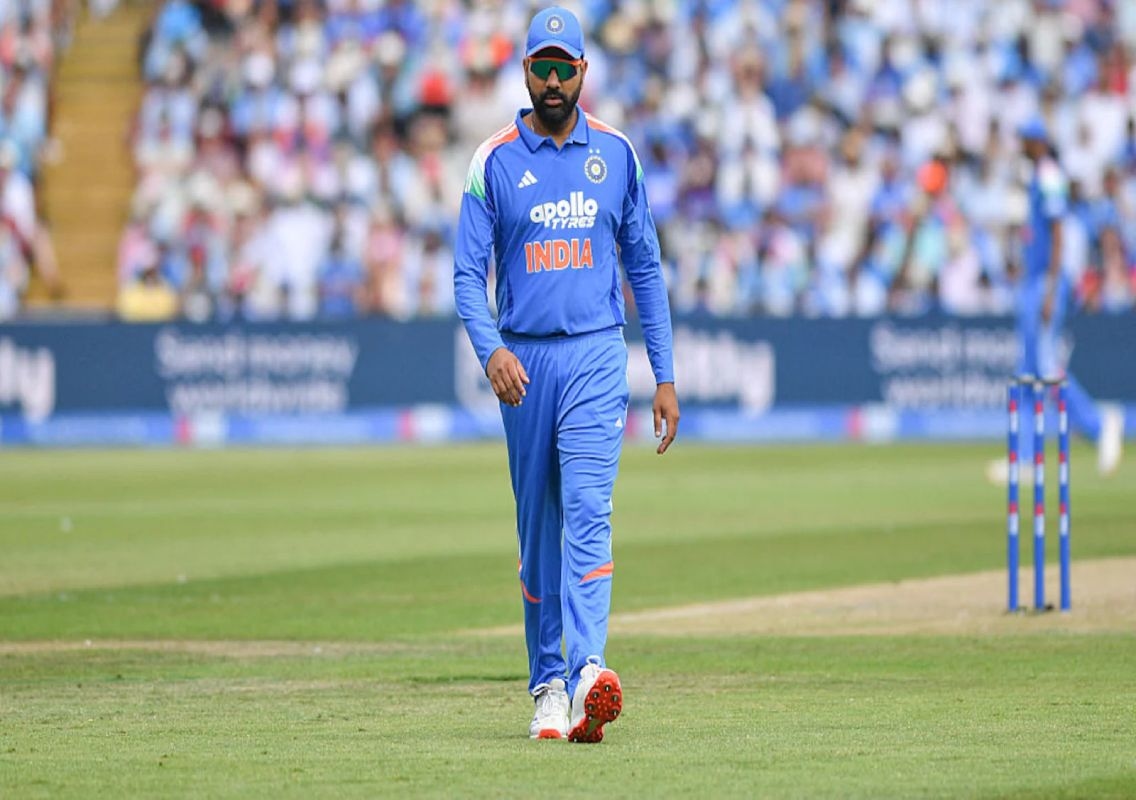


New Delhi: Former India off-spinner Ravichandran Ashwin has delivered a blunt assessment of the ongoing debate around Rohit Sharma’s future, questioning why speculation over the veteran opener’s ODI career has surfaced at such a crucial juncture. With reports suggesting that the upcoming match at Lord’s Cricket Ground could be Rohit’s final appearance in the format, Ashwin has emphasised that the discussion is poorly timed and potentially disruptive.
‘One bad series’ should not define a career
Ashwin strongly criticised the narrative that a short dip in form could dictate the future of a player of Rohit Sharma’s stature. Referring to the India captain’s recent modest scores in the ongoing England series, Ashwin stated that every cricketer goes through phases of low returns, and such periods should not trigger immediate calls for retirement or exclusion.
He underlined that senior players, particularly those with proven match-winning ability, deserve patience and backing rather than speculation driven by a handful of innings. According to Ashwin, labelling the England series as a decisive moment for Rohit’s career is both unfair and premature.
The veteran spinner’s remarks come amid heightened scrutiny on India’s senior core, with fans and experts debating the transition phase ahead of the 2027 ODI World Cup.
Questions raised over selection communication
A key point in Ashwin’s argument was the lack of clarity from selectors and team management regarding long-term planning. He suggested that if the Board of Control for Cricket in India (BCCI) had intentions to move on from senior players like Rohit Sharma and Virat Kohli, the decision should have been communicated well in advance.
Ashwin pointed out that such a call could have been taken after a major tournament like the Champions Trophy, allowing players sufficient time to process the decision and plan their careers accordingly. Instead, raising questions just months before a World Cup creates unnecessary uncertainty within the squad.
Drawing from his own experience, Ashwin revealed that he was once informed directly by team management about being phased out, and while it was difficult, he respected the transparency. He insisted that honest communication is crucial in maintaining trust between players and administrators.
Experience still vital for overseas challenges
Ashwin also highlighted the importance of experience, particularly with India set to tour South Africa in the coming months. He argued that players like Rohit Sharma and Virat Kohli bring invaluable knowledge and composure in challenging overseas conditions, which cannot be easily replaced by emerging talent.
While acknowledging the rise of younger players such as Yashasvi Jaiswal, Ashwin maintained that a balance between youth and experience remains essential for sustained success. He cautioned against making abrupt changes that could weaken the team’s stability during critical international assignments.
India’s transition phase, he noted, must be managed carefully to ensure continuity while gradually integrating new players into the setup.
Timing of debate raises concerns
Another major concern raised by Ashwin was the timing of the debate itself. With less than a year remaining for the next ICC ODI World Cup, he questioned why discussions around dropping senior players have emerged only now.
He argued that such late-stage uncertainty can affect team morale and preparation, especially when players are trying to focus on immediate performances and long-term goals simultaneously. In his view, clarity in selection policy is as important as performance on the field.
The ongoing speculation had earlier prompted the BCCI to officially deny reports that the Lord’s ODI would be Rohit Sharma’s final match, reaffirming that the veteran opener remains part of India’s plans.
Broader debate on transition in Indian cricket
Ashwin’s remarks have added a new dimension to the broader conversation around transition in Indian cricket. With several senior players nearing the twilight of their careers, the team management faces the challenge of planning for the future without undermining current performance.
India has historically navigated such phases by gradually phasing out players while nurturing the next generation. However, the current debate reflects the pressures of modern cricket, where performance cycles are shorter and public scrutiny is intense.
Experts believe that a structured approach — combining clear communication, performance-based selection, and long-term vision — will be key to managing this transition effectively.
Conclusion
Ravichandran Ashwin’s candid comments have brought focus back to the importance of timing and communication in cricketing decisions. While discussions around the future of senior players are inevitable, the manner and moment in which they occur can significantly impact both individuals and the team.
For now, Rohit Sharma continues to remain a central figure in India’s ODI plans, with the BCCI reiterating its support. As the team prepares for upcoming challenges, the emphasis will likely be on performance, clarity, and maintaining a balance between experience and emerging talent.