







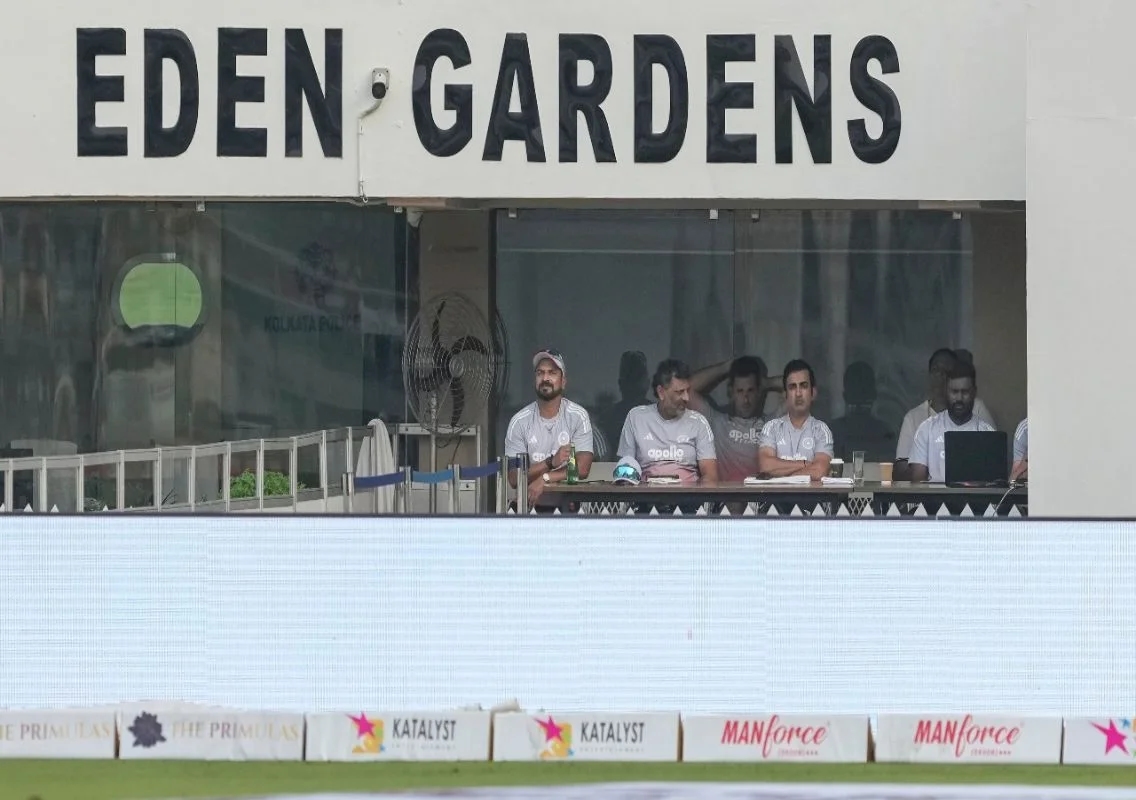


New Delhi: The Board of Control for Cricket in India (BCCI) has come under scrutiny after announcing venues for the Border-Gavaskar Trophy 2027, with traditional centres like Kolkata and Mumbai missing out.
The five-Test series, scheduled to begin on January 21, 2027, will be played across Nagpur, Chennai, Guwahati, Ranchi and Ahmedabad. While the move expands cricket’s geographical reach, it has triggered a wider debate about tradition, home advantage and the identity of Indian Test cricket.
Absence of traditional venues raises questions
Historic venues such as Eden Gardens and Wankhede Stadium have long been associated with iconic Test matches.
Eden Gardens last hosted a Border-Gavaskar Trophy Test in 2001, remembered for the legendary comeback led by VVS Laxman and Rahul Dravid. Meanwhile, Wankhede Stadium’s last Test against Australia dates back to 2004, when Michael Clarke impressed with a five-wicket haul.
Their omission has left fans and experts questioning whether India is moving away from venues that traditionally defined marquee Test series.
Expansion versus tradition
The BCCI’s current approach reflects a broader vision of taking cricket to newer regions. Since 2020, cities like Ahmedabad and Guwahati have hosted more matches, signalling a shift towards wider accessibility.
However, critics argue that this expansion comes at a cost. Established venues not only offer infrastructure but also carry legacy, crowd culture and familiarity—factors that contribute significantly to the atmosphere and competitive edge of Test cricket.
Voices within the cricketing fraternity, including Virat Kohli and Ravichandran Ashwin, have previously supported the idea of fixed Test centres to preserve tradition and build stronger home advantages.
The Guwahati debate
Among the selected venues, Guwahati has drawn particular attention.
While its inclusion is seen as a step towards promoting cricket in the Northeast, concerns remain over playing conditions and limited Test experience at the venue. India’s heavy defeat to South Africa in a Test here in 2025 has added to scepticism.
Unusual match timings due to early sunsets and inconsistent playing conditions have raised questions about whether such venues provide a true home advantage.
However, the Assam Cricket Association views the development positively, calling it a milestone in the region’s cricketing growth.
Is India losing its home advantage?
A key concern emerging from the debate is whether India risks diluting its home advantage by frequently rotating venues.
Unlike countries such as Australia and England, where iconic venues host traditional fixtures year after year, India’s approach lacks continuity. This, analysts argue, may reduce familiarity for players and weaken the psychological edge that comes with playing at well-established grounds.
Ashwin notably described certain venues as “away games within India,” highlighting the challenge of adapting to less familiar conditions even on home soil.
A changing Test cricket landscape
The broader question extends beyond venue selection to the future of Test cricket in India. With the rise of T20 leagues, the BCCI appears keen on expanding the reach of the longest format to sustain its relevance.
However, frequent venue changes may impact fan engagement and tradition. Iconic fixtures like Chennai’s Pongal Tests or packed matches at Eden Gardens once formed the backbone of India’s Test culture—something that is now harder to sustain.
Conclusion
The BCCI’s decision to exclude Kolkata and Mumbai from the Border-Gavaskar Trophy 2027 reflects a strategic shift towards inclusivity and expansion. Yet, it has also reignited concerns about losing the essence of India’s Test cricket heritage.
As India balances growth with tradition, the success of this approach will ultimately depend on whether new venues can recreate the passion, atmosphere and competitive edge that historic grounds have delivered for decades.