









New Delhi: The Board of Control for Cricket in India (BCCI) has reportedly introduced a major overhaul of its central contracts structure for the 2025–26 season, scrapping the elite A+ category and moving to a three-tier system. The restructuring marks a significant shift in how the board evaluates player contracts, with greater emphasis on current format participation and workload rather than legacy status.
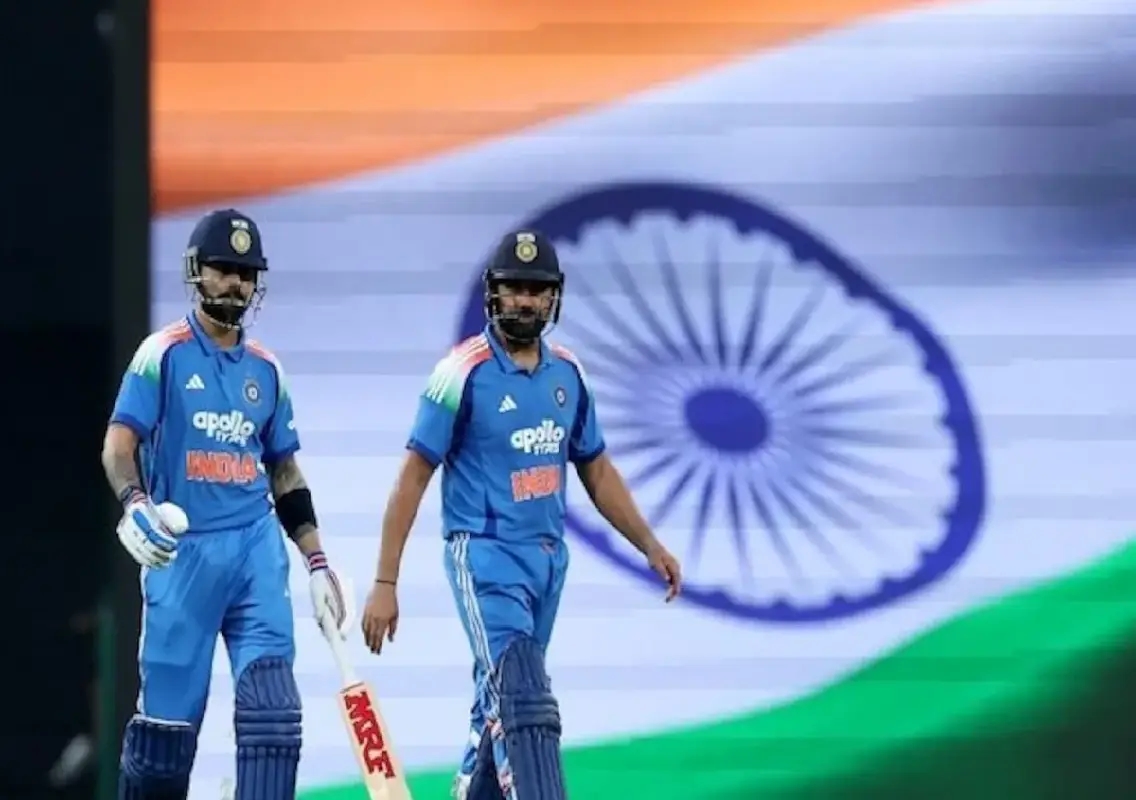
According to reports, senior stars Virat Kohli and Rohit Sharma — long-time members of the top A+ bracket — have been placed in Group B under the revised structure. The change reflects their reduced multi-format involvement after stepping away from T20 Internationals and Test cricket, and focusing largely on the ODI format.
The revised contract list, reported by a national publication, signals a generational transition in Indian cricket and a recalibration of how the board rewards players.
A+ category removed in major reset
For several years, the A+ category represented the highest tier of BCCI central contracts, typically reserved for all-format regulars and marquee players. The bracket carried the top annual retainership, reportedly worth ₹7 crore, and included the biggest names in Indian cricket.
Under the new model, the A+ category has been removed entirely. The highest bracket is now Group A, followed by Groups B and C. The move is seen as part of a broader attempt to align contracts more closely with present-day contributions across formats.
Officials are understood to have prioritised availability, workload and role across formats while preparing the revised list.
Gill, Bumrah, Jadeja lead new Group A
Under the revamped structure, Group A — now the top bracket — reportedly features just three players: Shubman Gill, Jasprit Bumrah and Ravindra Jadeja.
Gill’s elevation reflects his growing leadership role and multi-format importance, having taken on captaincy responsibilities in Tests and ODIs as per the report. Bumrah continues to be India’s pace spearhead across formats, while Jadeja remains a key all-rounder in both red-ball and white-ball cricket.
By limiting Group A to a small core, the board appears to be signalling that only players with sustained, high-impact roles across formats will occupy the top pay grade.
Kohli and Rohit placed in Group B
Virat Kohli and Rohit Sharma have been listed in Group B, alongside several other established and emerging players. Their shift from the top bracket is linked to their current format participation.
Both veterans have stepped away from T20Is and Test cricket, reducing their overall international workload. With central contracts now reportedly tied more closely to multi-format involvement, their revised placement reflects present selection dynamics rather than past achievements.
They are joined in Group B by players including Suryakumar Yadav, KL Rahul, Hardik Pandya, Mohammed Siraj, Rishabh Pant, Kuldeep Yadav, Yashasvi Jaiswal, Shreyas Iyer and Washington Sundar.
The grouping blends senior figures with core white-ball and red-ball performers who remain active across one or more formats.
Large pool of emerging players in Group C
Group C reportedly includes a wider pool of developing and format-specific players. The list features Axar Patel, Tilak Varma, Rinku Singh, Shivam Dube, Sanju Samson, Arshdeep Singh, Prasidh Krishna, Akash Deep, Dhruv Jurel, Harshit Rana, Varun Chakravarthy, Nitish Kumar Reddy, Abhishek Sharma, Sai Sudharsan, Ravi Bishnoi and Ruturaj Gaikwad.
This tier appears designed to retain and support a broader bench of national prospects and rotating squad members. Many of these players are active in T20Is and ODIs, with some pushing for consistent Test opportunities.
The wider base also gives selectors flexibility as India manage packed international schedules and format-specific squads.
Focus on merit and current contribution
The restructuring is being viewed as part of a merit-driven approach under the current selection leadership headed by Ajit Agarkar. Instead of rewarding only seniority or brand value, the revised contracts reportedly give more weight to current match involvement and role clarity.
By removing the top ₹7 crore A+ bracket and compressing the structure, the board is believed to be aiming for a more performance-linked system that reflects modern scheduling and format specialisation.
While some may interpret the movement of senior stars to lower groups as a symbolic demotion, observers note that it aligns with a transparent workload-based model.
Conclusion
The reported revamp of BCCI’s central contracts marks one of the most significant structural changes in recent years. With the A+ tier removed and a sharper focus on active multi-format contributors, the board appears to be preparing for the next phase of Indian cricket. The new structure both rewards present impact and opens space for the next generation, while redefining how central contracts are evaluated.