


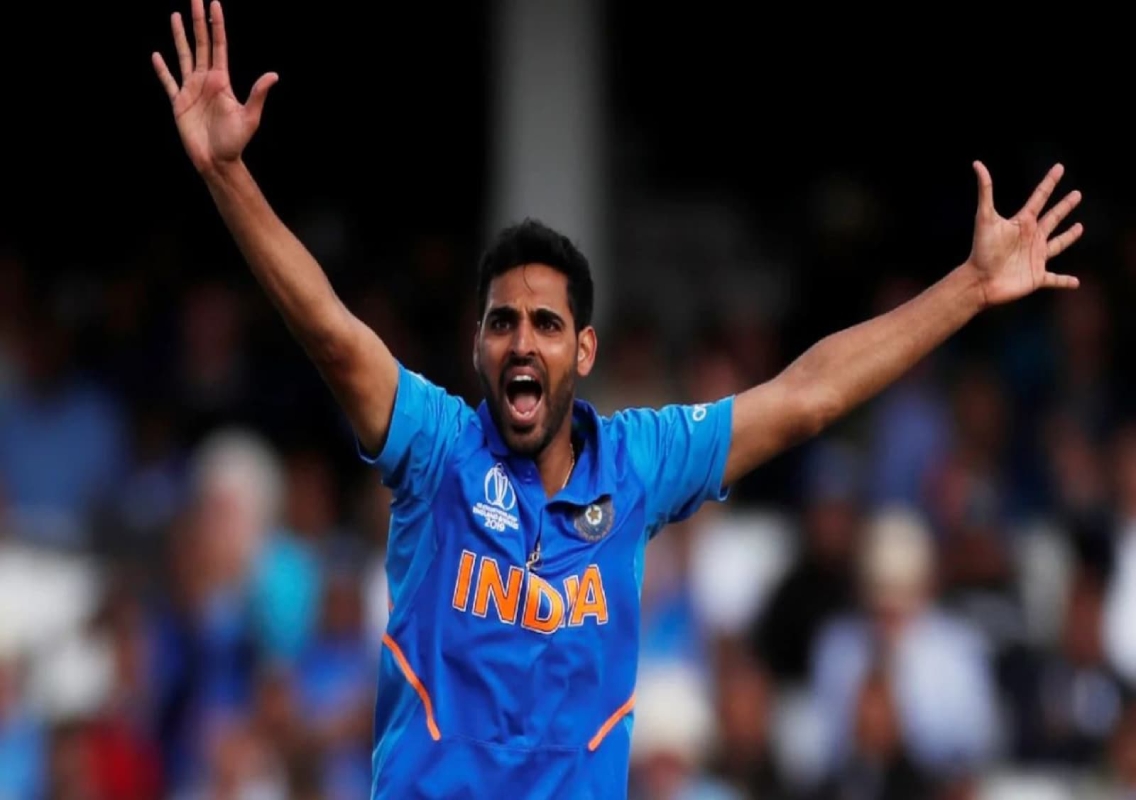


Bhuvneshwar Kumar’s return to India’s T20I squad for the New Zealand series after nearly four years away from the format has renewed attention on the preparation required to sustain a career as a fast bowler. Alongside training, fitness and recovery, personalised nutrition has played a role in the Indian pacer’s preparation.
Nutritionist Shah Fahad, founder and CEO of Alpha Human, a personalised nutrition company, has worked with Bhuvneshwar for the past five to six years, supporting the nutritional aspects of his preparation. According to a press release, Fahad’s approach focuses on tailoring dietary guidance to an athlete’s individual needs, training schedule, food preferences and performance goals.
The association highlights how preparation for professional cricket extends beyond practice sessions and match-day performances, with nutrition and recovery forming part of the wider support system required to manage the demands of international cricket.
Why nutrition matters for fast bowlers
Fast bowling places considerable physical demands on players, particularly during periods involving frequent training sessions, matches and travel. Managing these demands requires attention to energy intake, recovery and overall physical conditioning.
Nutrition can help athletes meet their energy requirements and maintain adequate protein and nutrient intake while managing demanding schedules. Individual requirements, however, vary according to training intensity, workload, body composition and personal performance goals.
For a fast bowler such as Bhuvneshwar, dietary planning needs to complement the physical demands of his role. Rather than relying on a standardised meal plan, Fahad’s approach considers the player’s individual circumstances and requirements.
The objective is to ensure that nutritional guidance remains practical and aligned with the athlete’s daily routine, training commitments and recovery needs.
Managing a vegetarian diet
Bhuvneshwar follows a vegetarian diet, making careful meal planning an important consideration in meeting his nutritional requirements.
A well-planned vegetarian diet can provide the energy, protein and other nutrients required by an athlete. However, food selection, portion sizes and meal timing need to be considered in relation to training demands.
Fahad’s approach takes into account Bhuvneshwar’s food preferences, workload and performance goals. Personalised guidance can help athletes organise their meals around training and recovery while maintaining a diet that suits their preferences.
The emphasis is on creating a sustainable nutritional routine rather than prescribing the same plan for every athlete.
Nutrition and recovery work together
Nutrition is one component of a broader preparation programme. For professional cricketers, dietary planning needs to complement strength and conditioning, physiotherapy and workload management.
Fahad works alongside strength and conditioning staff and physiotherapists to align nutritional requirements with training and recovery plans. Such coordination can help ensure that dietary recommendations reflect the physical demands placed on an athlete.
Recovery is particularly important for fast bowlers, whose workloads can accumulate across training sessions and competitive fixtures. Adequate nutrition, rest and appropriately managed training are among the factors considered when preparing athletes for sustained competition.
Speaking about his philosophy, Fahad said, “Champions don’t guess, they decode. Personalised nutrition is about understanding the individual, while recognising that performance is built through the combined efforts of the athlete and the wider support team.”
His comments underline the importance of considering an athlete’s requirements individually while recognising that performance depends on several interconnected areas of preparation.
DNA testing in personalised nutrition
DNA testing is another element Fahad has incorporated into his approach to personalised nutrition. Genetic information may provide insights into certain inherited traits and nutritional tendencies, potentially contributing to an individualised approach to health and dietary planning.
However, genetic testing alone cannot determine an athlete’s overall fitness, guarantee improved performance or reliably predict whether a fast bowler will sustain an injury.
Injury risk is influenced by multiple factors, including bowling workload, previous injuries, conditioning, biomechanics and recovery. Any assessment of a player’s requirements therefore needs to consider broader physical and training information alongside any genetic insights.
For professional athletes, DNA-related findings should be interpreted carefully and in the context of established nutritional and sports-science practices.
A long-term approach to athletic preparation
Maintaining fitness is a continuous process that extends well beyond individual matches. Training intensity, workload management, nutrition and recovery all contribute to a player’s ability to handle the demands of a long cricket season.
For fast bowlers, balancing preparation with recovery is particularly important because their role involves repeated high-intensity physical efforts. Dietary planning can support this process, but it works alongside conditioning, physiotherapy, medical assessment and decisions about training loads.
Fahad has also worked with other cricketers, golfers, Paralympic gold medallists and celebrities, adapting nutritional guidance to individual requirements.
Bhuvneshwar’s return puts preparation in focus
Bhuvneshwar’s recall to India’s T20I squad provides an opportunity to examine the support systems involved in preparing an athlete for international competition. His association with Fahad illustrates the role personalised nutrition can play within a wider preparation programme.
A player’s return to the national team ultimately depends on selection considerations and performance on the field. Fitness, recovery and workload management remain important parts of the process, particularly for fast bowlers seeking to sustain their careers over time.
While no single nutritional strategy can guarantee selection or prevent injuries, an individualised approach can help athletes organise their preparation around their specific needs and competitive demands.