









London: West Indies legend Clive Lloyd has heaped praise on India’s teenage sensation Vaibhav Sooryavanshi while also offering a word of caution regarding his on-field conduct. Lloyd, a two-time World Cup-winning captain, expressed admiration for the 15-year-old’s fearless batting but stressed the importance of maintaining discipline, especially in tense match situations.
Speaking in a recent interaction, Lloyd also lauded Indian women’s team captain Harmanpreet Kaur for her playing style, highlighting his appreciation for aggressive yet composed cricketers. However, much of his focus remained on Sooryavanshi, who has emerged as one of the brightest young talents in world cricket.
Rising star earns global admiration
Sooryavanshi’s meteoric rise has been nothing short of extraordinary. The youngster recently grabbed headlines with a blistering knock in the Tri-Nation Series final against Sri Lanka A. He smashed 94 runs off just 29 balls, including 10 boundaries and eight towering sixes, after racing to the fastest half-century in List A cricket history in just 11 balls.
His innings powered India A to a commanding total of 379 runs, eventually leading to a comfortable 66-run victory over Sri Lanka A. The performance further cemented his reputation as a fearless batter capable of dismantling bowling attacks with remarkable ease.
Lloyd was particularly impressed with the young cricketer’s ability to strike the ball cleanly. He noted that Sooryavanshi is not merely a slogger but a technically sound batter who times the ball exceptionally well. According to Lloyd, such natural ability should be nurtured carefully without attempting to alter his playing style.
“Do not change his natural game”
The former West Indies captain emphasised that one of the biggest challenges for young prodigies is handling external pressure and expectations. He cautioned against making unnecessary changes to Sooryavanshi’s batting approach, which has already proven highly effective.
Lloyd remarked that the teenager’s effortless six-hitting ability sets him apart and makes him an exciting prospect for the future. He expressed hope that the young batter would continue to flourish and entertain cricket fans for many years.
Advice on handling on-field confrontation
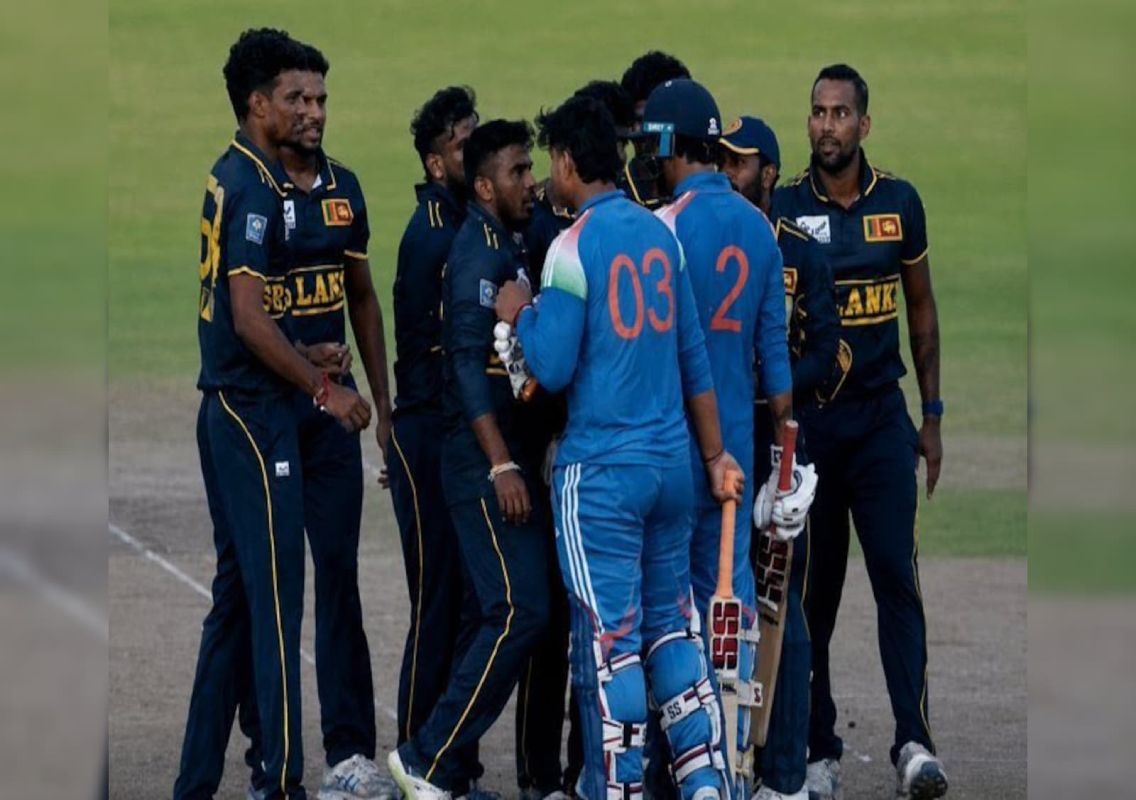
While praising his cricketing skills, Lloyd also addressed an incident involving Sooryavanshi during the Tri-Nation Series. In a round-robin match against Sri Lanka A, the youngster reportedly lost his composure after being provoked by an opposition player, leading to a brief physical altercation.
Lloyd made it clear that such situations should be handled with maturity. He stated that instead of reacting physically, the player should have reported the matter to the match referee or umpires. He pointed out that cricket has established rules and codes of conduct to deal with sledging and unsporting behaviour.
According to Lloyd, match officials have a responsibility to intervene and ensure fair play. He added that players found guilty of sledging should face penalties as per the rulebook, often referred to as the “green book” in cricketing circles.
Importance of discipline in modern cricket
The incident has sparked broader discussions about discipline and mental composure among young athletes. With increasing media attention and high-stakes matches, maintaining focus and emotional control has become crucial for sustained success.
Experts believe that while aggression can be a valuable asset in cricket, it must be channelled positively. For a young player like Sooryavanshi, learning to manage pressure situations and avoid unnecessary confrontations will be key to building a long and successful career.
Lloyd’s comments echo a common sentiment among former players, who often stress the importance of respecting the spirit of the game. As cricket continues to evolve with faster formats and intense rivalries, adherence to discipline remains a cornerstone of professionalism.
Bright future with lessons to learn
Despite the minor controversy, Sooryavanshi’s future appears incredibly promising. His performances at such a young age have already drawn comparisons with some of the greats of the game. With proper guidance, mentorship, and workload management, he has the potential to become a mainstay in Indian cricket.
Lloyd’s balanced perspective—praising the youngster’s talent while advising caution—serves as valuable guidance for both the player and team management. It highlights the need to nurture talent holistically, focusing not just on skills but also on temperament and professionalism.
Conclusion
Vaibhav Sooryavanshi’s rise continues to excite the cricketing world, and endorsements from legends like Clive Lloyd only reinforce his immense potential. However, as Lloyd rightly pointed out, talent must be complemented by discipline. By learning from such experiences and maintaining composure on the field, the young prodigy can ensure a long, successful, and impactful career in international cricket.