







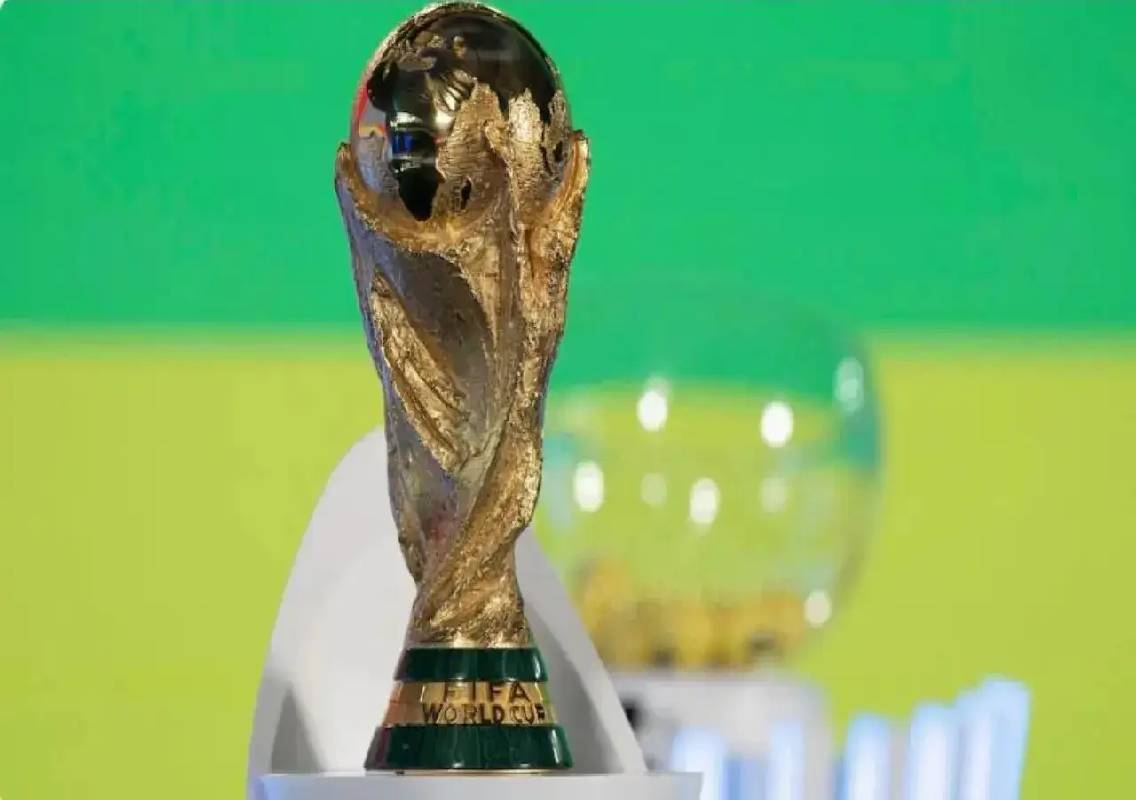


New Delhi: FIFA is close to finalising its India media rights deal for the 2026 and 2030 men’s World Cups, with broadcast discussions entering the final stage after months of uncertainty over the key sporting market.
The deal, estimated at around $35 million (about ₹290 crore), would end speculation over where Indian fans will watch the next two editions of football’s biggest global tournament.
India remains the last major market without an official broadcaster for the 2026 World Cup, which will be held across the United States, Mexico and Canada from June 11 to July 19.
Zee emerges strong contender in final negotiations
According to reports, FIFA has held recent discussions with multiple broadcasters, including Zee Entertainment Enterprises and JioHotstar.
While JioHotstar, which previously held rights for the 2022 World Cup, is said to have valued the package at around $20 million, Zee has emerged as a strong contender after other players such as Sony and FanCode opted out of the bidding process.
Industry estimates suggest the final agreement will include both the 2026 and 2030 men’s FIFA World Cup tournaments as a combined rights package.
FIFA revises expectations amid weak bidding interest
FIFA had initially expected nearly $100 million for the India rights cycle, but that valuation has been significantly reduced due to limited competition among broadcasters.
The governing body’s revised expectations reflect broader concerns about commercial viability in the Indian market, especially given the tournament’s timing and monetisation challenges.
The shift highlights how even major global sporting properties are facing pricing pressure in emerging markets where advertising returns are uncertain.
Late-night match timings hurt Indian market appeal
One of the biggest challenges affecting the India broadcast deal is the timing of matches.
Nearly 90 per cent of the 104 matches in the 2026 World Cup are expected to be played between midnight and 6 am IST.
This significantly reduces advertising demand in India, where prime-time television slots are crucial for sports monetisation.
Broadcasters have also been cautious due to weak returns from the previous World Cup cycle, where investment recovery proved difficult.
Previous World Cup losses impact bidding sentiment
The 2022 FIFA World Cup in Qatar, won by Argentina led by Lionel Messi, reportedly cost Indian broadcasters around ₹480 crore ($60 million) in rights acquisition.
Industry sources suggest advertising revenues failed to recover even half of that investment, making broadcasters more conservative this time.
This has contributed to the absence of aggressive bidding for the 2026–2030 cycle, forcing FIFA to recalibrate its expectations.
Zee plans sports comeback strategy
Zee’s participation in the negotiations marks a notable return to major sports broadcasting discussions after a relatively quiet phase in the sector.
The company is reportedly viewing the World Cup rights as a strategic entry point to rebuild its sports portfolio and compete more aggressively in India’s streaming-driven market.
If successful, the deal could help Zee re-establish itself in a segment increasingly dominated by digital-first platforms.
FIFA closes deals in most global markets
Globally, FIFA has already secured broadcast agreements in most key territories.
Recently, it signed a deal with China’s CCTV for rights covering multiple tournaments, including both men’s and women’s World Cups.
India’s deal, however, remains one of the final major unresolved agreements ahead of the 2026 tournament.
Decision expected soon
With negotiations entering their final phase, the India broadcast rights deal is expected to be concluded shortly.
The outcome will determine how millions of Indian football fans access the World Cup, especially given the growing shift toward digital streaming platforms.
For now, all eyes remain on whether Zee or another bidder will secure the rights to one of the world’s most-watched sporting events.