









New York: Group C of the FIFA World Cup 2026 is set to deliver an exciting mix of established giants and returning contenders, with Brazil and Morocco emerging as the standout teams. Joining them are Scotland and Haiti, both of whom are making long-awaited returns to the global stage. With all matches scheduled across venues in the United States, the group promises competitive football and compelling storylines.
Brazil aim to reclaim lost glory
Brazil, the most successful nation in FIFA World Cup history with five titles, enter the tournament with renewed ambition. Their last triumph came in 2002, and since then, the team has struggled to replicate that success, often exiting in the quarterfinal stage. The only exception was in 2014, when they reached the semi-finals on home soil, only to suffer a historic 7-1 defeat to Germany.
In the previous edition in Qatar, Brazil were knocked out by Croatia in a penalty shootout, continuing their trend of falling short in crucial moments. However, for the 2026 edition, Brazil have undergone significant changes.
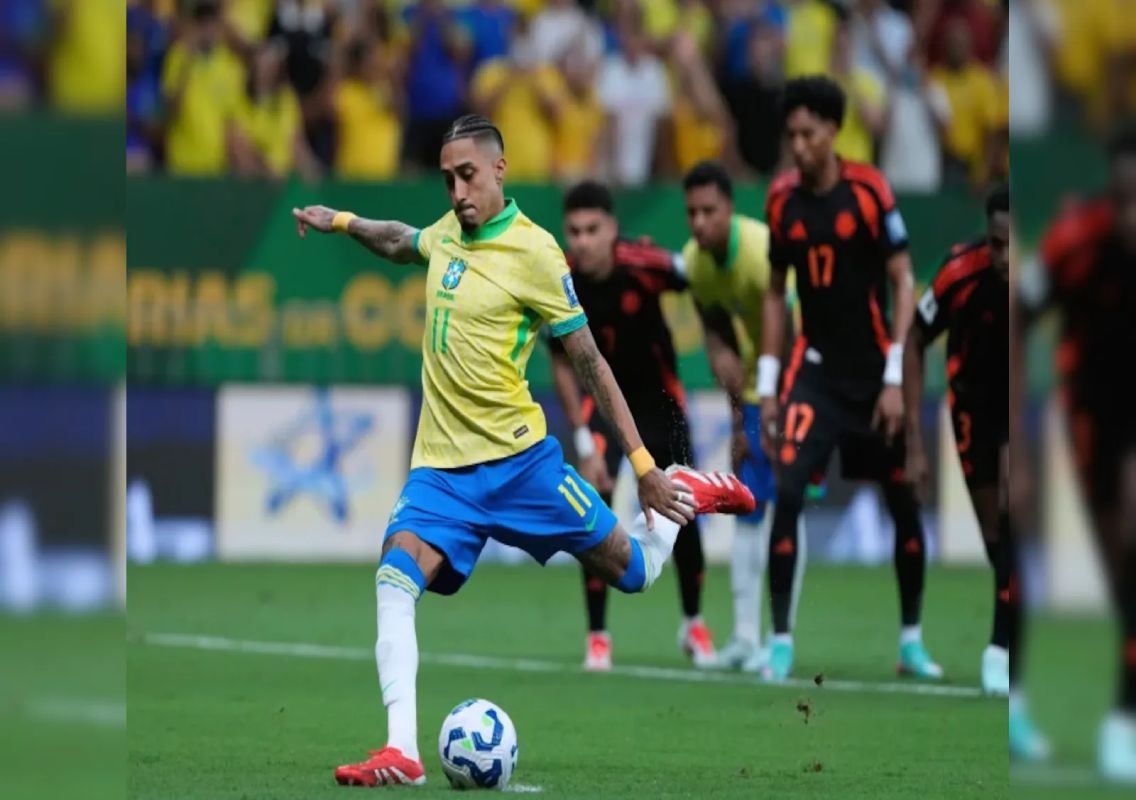
The team will be led by star attackers Vinicius Junior and Raphinha, who bring pace, creativity and attacking flair. However, the absence of Rodrygo due to a knee injury is a notable setback. In a major move, the Brazilian Football Confederation appointed veteran coach Carlo Ancelotti, who brings vast experience and a record of five UEFA Champions League titles.
Although Brazil’s qualifying campaign was inconsistent, including losses to arch-rivals Argentina, they managed to secure qualification by finishing fifth in the South American standings. Under Ancelotti, expectations will be high for a deep run in the tournament.
Morocco look to build on historic run
Morocco arrive at the World Cup with confidence after their remarkable fourth-place finish in 2022, the best-ever performance by an African nation. Their journey included victories over Spain and Portugal before being eliminated by France in the semi-finals.
However, the team has experienced recent turbulence. Following a controversial end to the Africa Cup of Nations, where Morocco initially lost the final to Senegal before the result was overturned, head coach Walid Regragui stepped down. The team will now be guided by Mohamed Ouahbi, who previously led Morocco’s under-20 side to a Youth World Cup title.
Despite these changes, Morocco retain a strong core of talented players, including Achraf Hakimi and Brahim Diaz. With the added motivation of co-hosting the 2030 World Cup alongside Spain and Portugal, Morocco will be eager to maintain their upward trajectory on the global stage.
Scotland return after long absence
Scotland’s qualification for the 2026 World Cup marks their first appearance in the tournament since 1998. The team secured their spot with a crucial victory over Denmark in their final qualifier, signalling a resurgence in Scottish football.
Under the leadership of coach Steve Clarke, Scotland have shown resilience and improvement. Clarke will become the first manager to lead the national team at three major tournaments, following appearances at the 2020 and 2024 European Championships.
Midfielder Scott McTominay will be a key figure for Scotland, having played a pivotal role in their qualification campaign. Despite their progress, Scotland have never advanced beyond the group stage in their previous eight World Cup appearances. They will aim to change that record in a challenging group.
Haiti aim to make an impact
Haiti return to the World Cup for the first time since 1974, marking only their second appearance in the tournament’s history. Their qualification was secured through a strong showing in CONCACAF competition, where they topped their group.
Historically, Haiti struggled in their only previous World Cup, losing all three matches. The team faces a similar challenge this time, given the strength of their opponents in Group C.
Coached by Sebastien Migne, Haiti are currently ranked 83rd in the world. Their campaign will rely heavily on experienced forward Duckens Nazon, who was among the top scorers in the qualifiers. While expectations remain modest, Haiti will look to gain valuable experience and potentially spring a surprise.
Key fixtures to watch
The opening match between Brazil and Morocco on June 13 will be a major highlight, as it could determine the group winner. Haiti face Scotland on June 14 in a match that may be crucial for third place.
Scotland’s clash with Morocco on June 19 will test their credentials, while Brazil are expected to dominate against Haiti on June 20. The final round of matches on June 24, including Scotland versus Brazil, could play a decisive role in final standings.
Prediction and conclusion
Brazil and Morocco are widely expected to finish in the top two positions in Group C. Brazil’s attacking strength and experience give them the edge to top the group, while Morocco’s recent performances suggest they are capable of securing second place.
Scotland, despite their improvement, may find it difficult to compete consistently against stronger opposition, while Haiti are likely to face an uphill battle.
Group C reflects the diversity and competitiveness of the expanded World Cup format. While the favourites appear clear, the unpredictability of football ensures that every team has an opportunity to influence the outcome. The group stage will ultimately test each team’s consistency, tactical approach and ability to perform under pressure.