







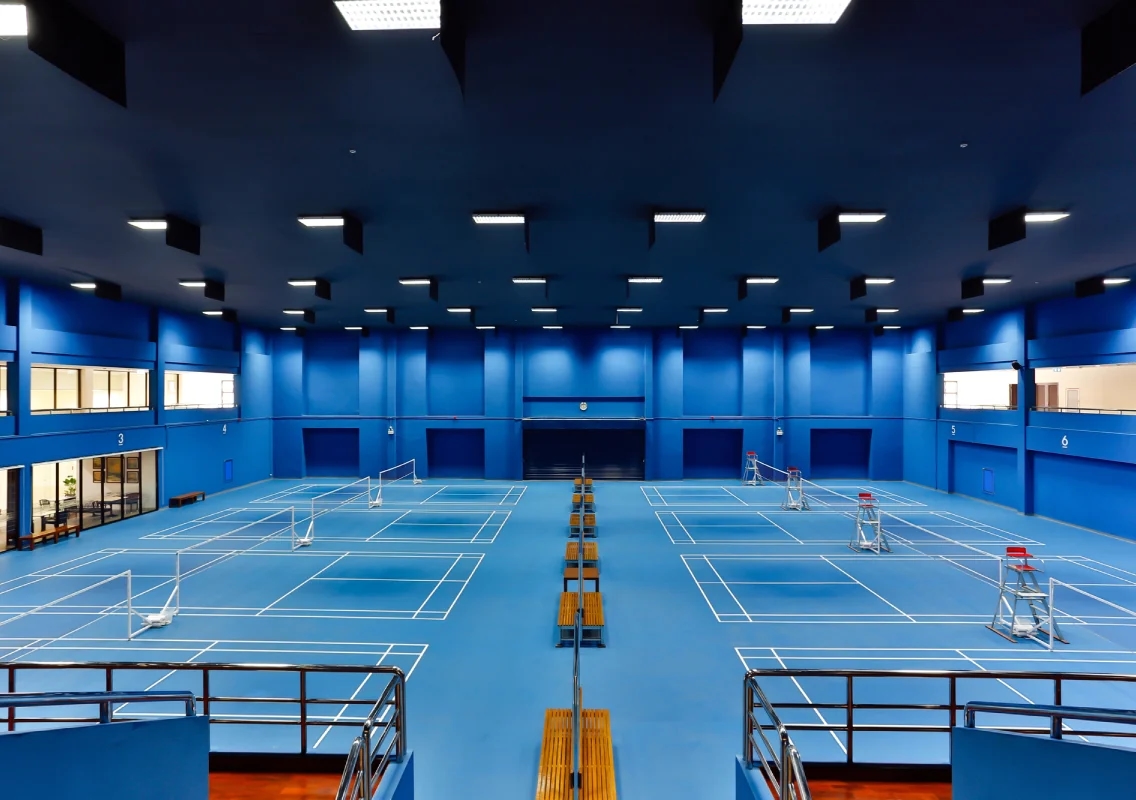


In the gleaming tech corridors of Whitefield and the bustling IT parks of Electronic City, a quiet revolution is taking place. It isn’t happening in the code repositories or boardrooms, but on the wooden floors of badminton courts.
For decades, golf was the cliché sport of the corporate elite. But in Karnataka—India’s Silicon Valley—badminton has usurped that throne. A combination of accessible infrastructure (like the Padukone Sports Management centers) and a high-stress work culture has turned the state’s tech workforce into India’s most aggressive consumers of professional sports equipment.
This shift is doing more than just filling courts at 6 AM; it is fundamentally reshaping the sports retail economy, driving a demand for high-end gear that was previously reserved for state-level athletes.
The New “Golf” of the South
“Badminton is the new golf for the Indian techie,” says Aashish Rrastogi, founder of SportsUncle.com, a leading e-commerce platform for sports gear. “Ten years ago, a working professional would play with a ₹500 racket in their backyard. Today, the buying behavior has matured significantly. We are seeing 35-year-old software engineers from Bangalore and Mangaluru bypassing entry-level gear entirely. They are now going online to compare and buy professional badminton rackets that match the specific specifications—head-heavy balance or high string tension—used by international champions like Viktor Axelsen.”
The data supports this observation. Recent market reports indicate that the Indian badminton equipment market is projected to grow at a CAGR of over 6% through 2030, with a significant chunk of that demand coming from Tier-1 and Tier-2 cities in the South.
For the Karnataka workforce, the badminton court has become the new networking hub. It is faster than cricket, cheaper than golf, and fits perfectly into the 9-to-5 grind—allowing for a high-intensity workout before logging in or immediately after logging out.
“All the Gear, No Idea?” Not Anymore.
One of the most striking trends is the “Pro-Am” phenomenon—amateurs buying professional-grade equipment.
Industry insiders note that sales of “Intermediate” to “Advanced” category equipment have spiked. It’s no longer just about hitting a shuttlecock; it’s about injury prevention.
“The average IT professional spends 10 hours sitting,” explains Rrastogi. “When they hit the court, their knees and ankles are vulnerable. They are realizing that playing in running shoes is a recipe for disaster. This awareness has led to a 40% year-on-year increase in orders for specialized non-marking badminton shoes from Karnataka’s pin codes.”
This shift towards technical awareness is also solving a long-standing issue in the Indian market: Counterfeits.
As buyers become more sophisticated, they are moving away from unverified marketplaces and toward authorized dealers who guarantee authenticity. “When a techie pays ₹12,000 for a racket, they check the hologram. They verify the serial number. They want the real deal because they understand the engineering behind it,” Rastogi adds.
The “Fabric” of Wellness
While hardware (rackets and shoes) dominates the conversation, a silent shift is happening in apparel—driven by health concerns specific to the Indian climate.
For years, “polyester” was synonymous with “sportswear.” However, dermatologists and parents of young athletes are increasingly flagging the downsides of cheap synthetic fabrics, especially in Karnataka’s humid summers.
“We noticed a gap where parents wanted their kids to play, but the synthetic jerseys were causing skin rashes and heat trapping,” says the team behind Superjockk, a new homegrown sports apparel brand.
This has led to a resurgence of 100% Cotton (180 GSM) sports t-shirts, specifically for junior academies and school sports. Unlike the cheap polyester flood, these natural fabrics offer breathability and hygiene—a factor that resonates deeply with the health-conscious tech demographic who are buying for their children.
Innovation in the Local League
Perhaps the most exciting development is how technology is democratizing “Team Identity.”
Historically, custom team jerseys were the luxury of the IPL or ISL. Small corporate teams or local school squads had to settle for generic, ill-fitting kits.
New printing technologies, specifically DTF (Direct to Film), have changed the game. “We can now take a small corporate team from a startup in HSR Layout and give them jerseys that look as professional as a Premier League club,” notes Rrastogi. “The barrier to looking like a pro has vanished.”
The Future is Smash-Ready
As Karnataka continues to solidify its reputation as the powerhouse of Indian badminton—producing champions like Lakshya Sen—the commercial ecosystem supporting it is maturing.
The future of sports retail in the state isn’t in mass-market, cheap goods. It is in specialization, authenticity, and health-conscious innovation.
For the techies of Bangalore and Mangalore, the game has just begun. And this time, they are dressed for the occasion.