







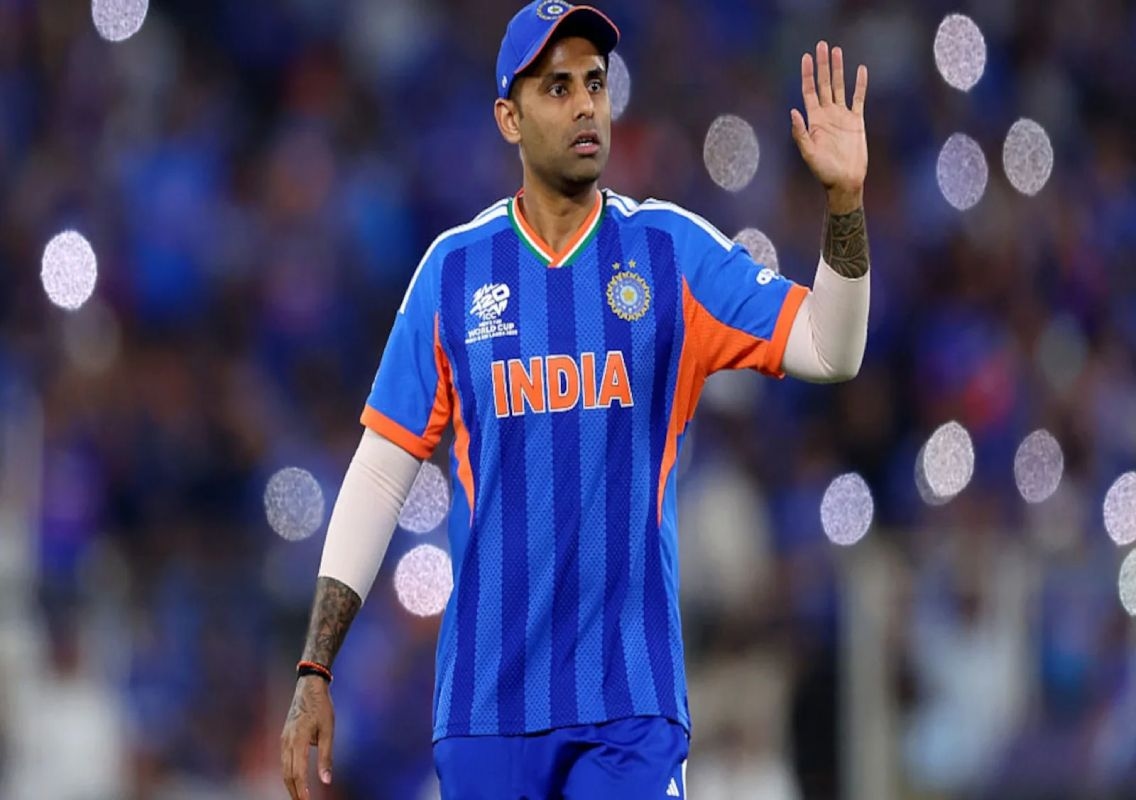


Mumbai: Suryakumar Yadav’s stint as India’s T20I captain may have come to an abrupt end ahead of the England and Ireland series, but his leadership style has already drawn comparisons with some of the game’s greats. Legendary India batter Sunil Gavaskar believes that SKY’s calm demeanour and tactical awareness place him in a mould similar to former skipper MS Dhoni.
Suryakumar was recently removed from T20I captaincy duties, with Shreyas Iyer taking over the role. The decision comes just months after India’s triumphant campaigns in the ICC T20 World Cup 2026 and the Asia Cup, both of which were won under SKY’s leadership. Despite a prolonged lean patch with the bat, his captaincy had earned widespread appreciation from cricketing experts and fans alike.
Gavaskar highlights calm leadership approach
Speaking in an interview with India Today, Gavaskar emphasised that Suryakumar’s temperament stood out as a defining feature of his captaincy.
“He always had a smile on his face,” Gavaskar said, noting that SKY was not a captain who shied away from appreciating the opposition. According to him, such sportsmanship and composure are rare qualities that define great leaders.
Drawing parallels with Dhoni, Gavaskar remarked that Suryakumar never appeared flustered, even when situations were not going India’s way. “He did not seem to get upset when things were not going right. Keeping his cool is something that he will leave behind as his legacy,” he observed.
The former India captain also credited SKY for his tactical acumen, particularly in making smart bowling changes and experimenting with the batting order. These decisions, Gavaskar suggested, reflected a sharp cricketing mind capable of adapting to dynamic match situations.
Mixed tenure: team success, personal struggles
While Suryakumar’s captaincy tenure was marked by significant team achievements, his individual batting form remained a concern. Over the past year, the dynamic batter struggled to replicate his earlier consistency, leading to mounting pressure.
However, his leadership success overshadowed his personal dip in form. Under his captaincy, India not only secured a World Cup title but also dominated continental competition in the Asia Cup. His ability to lead a balanced side and maintain dressing-room harmony was frequently praised.
The decision to replace him with Iyer signals a shift in the team’s approach as selectors look ahead to a packed international calendar. Iyer, known for his composed batting and leadership experience in domestic and franchise cricket, now faces the challenge of sustaining India’s winning momentum in the shortest format.
Selectors prioritise workload management
Meanwhile, the national selection panel, headed by Ajit Agarkar, has taken a cautious approach with key players like Jasprit Bumrah and Hardik Pandya. Both players have been rested for the England and Ireland tours.
The move is seen as part of a broader workload management strategy, especially after the duo endured a demanding schedule that included IPL 2026 and the T20 World Cup. Representing the Mumbai Indians, both Bumrah and Pandya had underwhelming seasons, raising concerns about fatigue.
Agarkar clarified that Bumrah’s importance in longer formats remains paramount. “We know how important he is,” he said, hinting that the pacer will be preserved primarily for Tests and ODIs, particularly with the ongoing World Test Championship (WTC) cycle in focus.
India still has a realistic chance of qualifying for the WTC final, provided they perform consistently in the remaining nine Tests. Ensuring Bumrah’s fitness for these crucial matches is therefore a top priority for the selectors.
Transition phase for India’s T20 setup
Suryakumar’s removal as captain marks the beginning of a transitional phase in India’s T20 setup. While his tenure may have been relatively short, it was impactful, characterised by silverware and a refreshing leadership style.
Gavaskar’s comparison with Dhoni underscores the intangible qualities SKY brought to the role—calmness under pressure, respect for opponents, and tactical flexibility. These attributes, even more than statistics, often define a captain’s legacy.
Conclusion
Although Suryakumar Yadav no longer leads the T20I side, his influence on the team’s recent successes and his composed approach to leadership will likely be remembered for years. As India transitions under Shreyas Iyer, the foundations laid by SKY could continue to shape the team’s ethos. Gavaskar’s comparison to MS Dhoni serves as a testament to the lasting impression of his captaincy.