







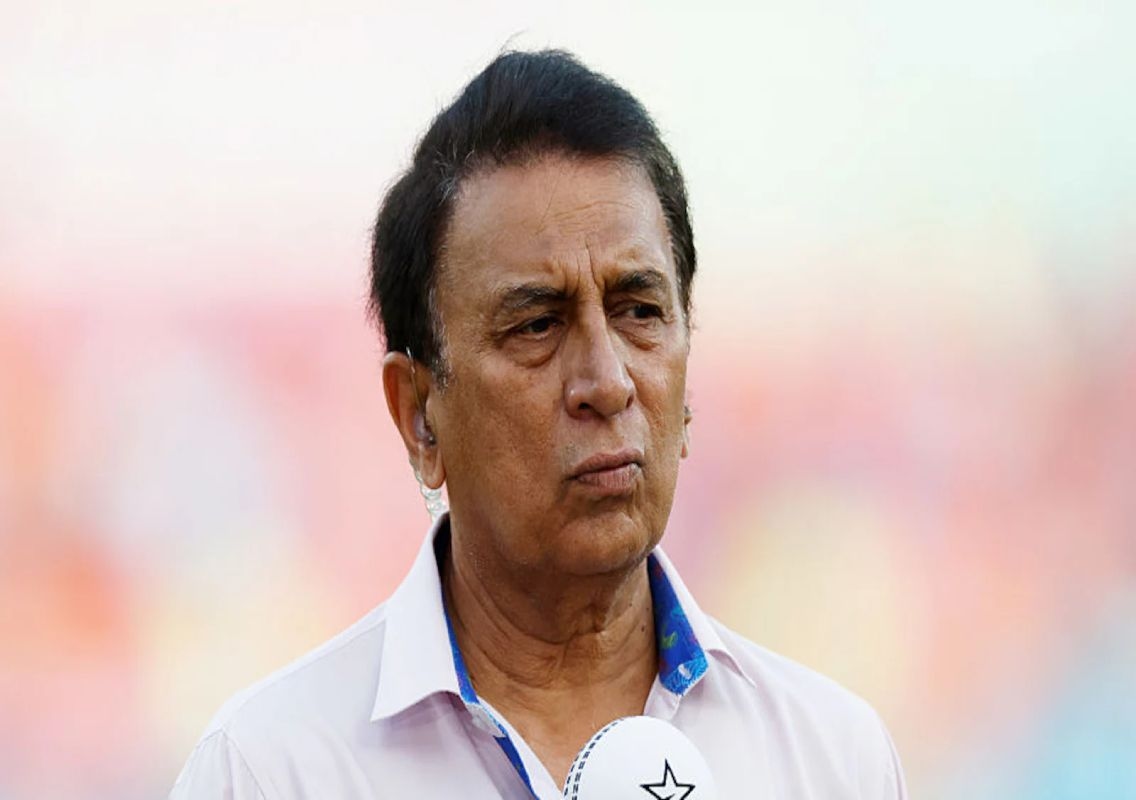


Mumbai: Former India captain Sunil Gavaskar has voiced strong concerns over the current player rotation policy adopted by the Board of Control for Cricket in India (BCCI), stating that frequent changes in the national squad are “cheapening” the value of representing India. His remarks come ahead of Team India’s upcoming T20I series against Ireland, amid an increasingly packed international cricket calendar.
Gavaskar’s comments follow India’s recent successful outing against Afghanistan, where the team secured victories in a one-off Test and a three-match ODI series under the captaincy of Shubman Gill. However, the series took place just six days after the conclusion of the Indian Premier League 2026 final, raising questions about player workload and recovery time.
Concerns over player workload and fitness
Gavaskar emphasised the need for prioritising players’ health and fitness, suggesting that the BCCI should ensure at least one month of rest for senior players annually. According to him, continuous cricket without adequate breaks could lead to fatigue, injuries, and a decline in performance levels.
He pointed out that India’s packed cricketing schedule sees the team playing almost every month, leaving little time for recovery. Gavaskar argued that while workload management is important, resting key players frequently and replacing them with others dilutes the prestige associated with wearing the Indian cap.
“The cap must be earned and not handed out simply because a regular player is being rested,” Gavaskar stated, stressing that representing India should remain a significant milestone in a cricketer’s career.
Rotation policy under scrutiny
The former skipper acknowledged that India possesses a deep talent pool, which allows for rotation and experimentation. However, he warned that excessive changes in the playing XI and squad selection could undermine the team’s stability and the significance of national selection.
Gavaskar cited examples from the Afghanistan series, where players like KL Rahul and Shubman Gill scored centuries, while young talent Manav Suthar impressed on debut. At the same time, senior pacer Jasprit Bumrah was rested, a decision Gavaskar questioned.
He argued that players like Bumrah might have relished the opportunity to enhance their records further and contribute to the team, especially in matches where India is expected to field its strongest possible XI.
Impact on fan engagement
Apart from player-related concerns, Gavaskar also highlighted the impact of a congested schedule on fans. He noted that the last two ODIs against Afghanistan, held in Lucknow and Chennai, witnessed half-empty stadiums.
According to him, constant cricket without meaningful breaks can lead to viewer fatigue, reducing interest and engagement among fans. Gavaskar suggested that a well-balanced schedule would benefit not only players but also spectators who follow the game passionately.
Call for structural changes
Gavaskar recommended that the BCCI continue supporting emerging cricketing nations like Afghanistan, Sri Lanka, and Zimbabwe through bilateral series, but not at the cost of overburdening India’s top players. He proposed that ‘A’ team and Under-19 fixtures could be used more effectively to provide exposure to young talent without impacting the senior team’s workload.
He also hinted at the possibility of restructuring the cricket calendar, especially with discussions around adjusting the IPL window in future seasons. Introducing a mandatory break period could ensure players remain physically and mentally fresh throughout the year.
Conclusion
Sunil Gavaskar’s remarks have reignited the debate around workload management and squad rotation in Indian cricket. While the depth of talent offers flexibility, the former captain has made it clear that preserving the prestige of the India cap and safeguarding player well-being should remain top priorities. As Team India prepares for upcoming international assignments, including the Ireland T20I series, the BCCI may need to strike a careful balance between opportunity, performance, and sustainability.