







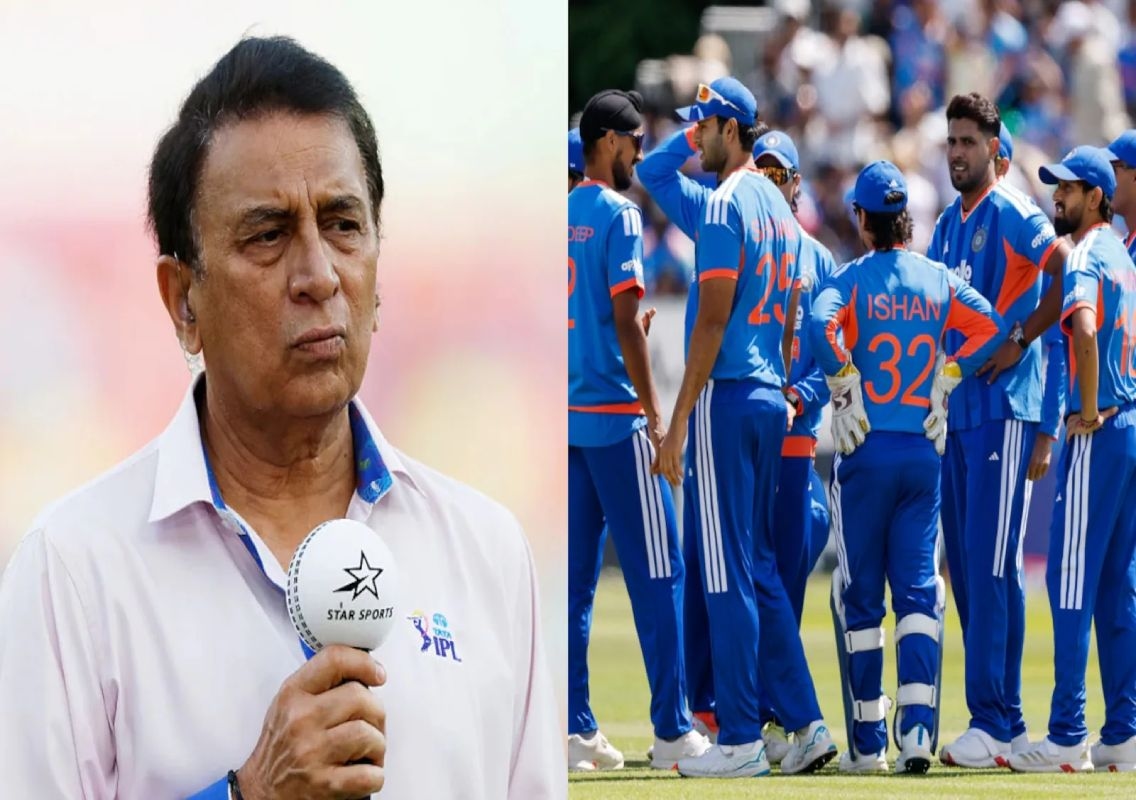


Mumbai: Former India captain Sunil Gavaskar has cautioned the Board of Control for Cricket in India (BCCI) against taking any “extreme step” following the team’s disappointing performances on their recent tour. His remarks come amid growing speculation that the board could undertake significant changes after India’s losses in consecutive T20I series.
India’s campaign has faltered notably despite their triumph in the 2026 ICC T20 World Cup, with back-to-back defeats raising concerns. The team suffered a 2-0 loss against Ireland followed by a 4-0 whitewash at the hands of the England cricket team, prompting discussions about accountability and team direction.
BCCI review expected after poor run
Gavaskar, writing in Sportstar, revealed that the BCCI is expected to conduct a detailed review of the team’s performances. However, he warned against overreaction, especially given India’s recent success on the global stage.
He pointed out that it has only been a few months since India lifted the T20 World Cup and continue to remain among the top-ranked teams in international cricket. According to Gavaskar, drastic measures such as removing key personnel would be premature and counterproductive.
The cricket legend emphasised that transitions and occasional dips in form are part of the sport, and decisions should be taken with a long-term perspective rather than immediate frustration.
Batting struggles under scrutiny
One of the major concerns highlighted during the series has been the inconsistent performance of India’s batting unit. Players such as Sanju Samson and Vaibhav Sooryavanshi were rotated frequently at the top, leading to a lack of stability in the opening combination.
Additionally, key middle-order players like Washington Sundar, Tilak Varma, and Shivam Dube failed to make significant contributions, further compounding India’s struggles.
Gavaskar attributed part of the batting issues to technical flaws, particularly against the short ball. He observed that many Indian batters have developed a tendency to remain planted on the front foot, making it difficult to adjust to deliveries that rise sharply.
IPL conditions and boundary sizes questioned
Gavaskar also raised concerns about the impact of domestic T20 conditions, especially in the Indian Premier League (IPL). He suggested that playing on flatter pitches with shorter boundaries may have inadvertently affected the development of Indian batters.
According to him, even on seemingly batter-friendly surfaces, Indian players have struggled against pace and bounce, indicating deeper technical deficiencies rather than just surface-related challenges.
He further pointed out that shorter boundaries often allow mishits to clear the ropes, which might otherwise result in dismissals on larger grounds. This, he argued, creates a false sense of confidence among batters.
Gavaskar urged cricket authorities to reconsider boundary dimensions across venues in India. He stressed that larger playing areas could better prepare players for overseas conditions, particularly in countries like South Africa, where pitches are faster and offer more bounce.
Focus on long-term improvement
The former captain’s remarks underline the need for a balanced approach as Indian cricket navigates this phase. While performance reviews are essential, Gavaskar believes that systemic improvements—such as addressing technical gaps and improving domestic playing conditions—should take priority over immediate personnel changes.
His comments also reflect a broader concern about maintaining consistency and adaptability, especially as India aims to reclaim major ICC titles in the coming years.
Conclusion
Sunil Gavaskar’s warning serves as a timely reminder for the BCCI to avoid hasty decisions in response to recent setbacks. While India’s losses against Ireland and England have exposed certain weaknesses, they also present an opportunity for introspection and growth. Instead of opting for drastic changes, a focus on technical refinement and structural improvements could prove more beneficial in the long run.