







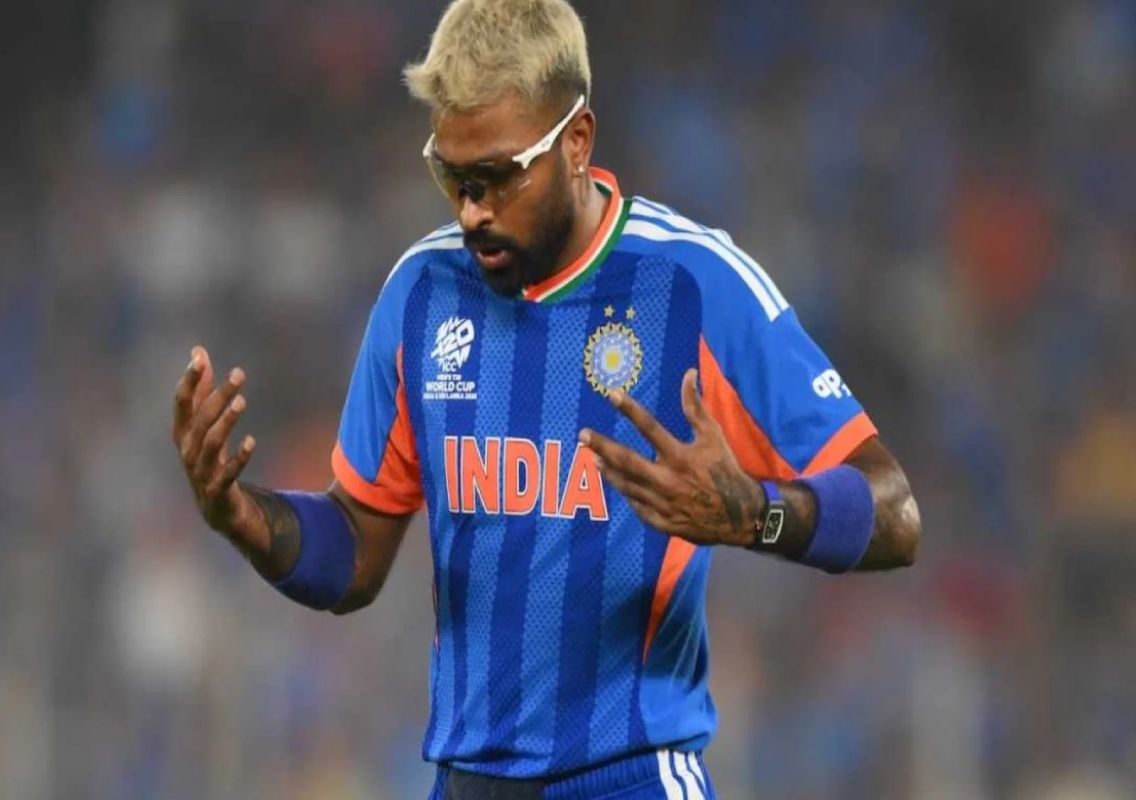


Bengaluru: India all-rounder Hardik Pandya has reportedly moved out of Mumbai and permanently shifted to Bengaluru, choosing the BCCI’s Centre of Excellence (COE) as his primary training base for the remainder of his cricket career.
The development marks a significant shift in approach for centrally-contracted Indian cricketers, who traditionally use the COE only for short-term rehabilitation, fitness testing, or national camps rather than as a full-time training hub.
Strategic move centred on fitness and longevity
Pandya’s decision comes at a time when he is recovering from a quadriceps injury that ruled him out of India’s ongoing white-ball tour of the United Kingdom. Over the past six months, the 32-year-old has spent considerable time at the COE in Bengaluru, prompting him to make the city his long-term base.
According to sources, Pandya has rented a property on the outskirts of Bengaluru, close to the facility, allowing him to access world-class infrastructure without the logistical challenges he faced in Mumbai.
The move is aimed at ensuring better injury management, consistent fitness monitoring, and uninterrupted skill training — all crucial factors for extending his career in white-ball cricket.
First India cricketer to adopt COE as permanent base
Pandya is believed to be the first prominent current Indian cricketer to use the Centre of Excellence as a permanent training base. While players often visit the facility during injury lay-offs, adopting it as a full-time base is a unique step.
The COE provides access to advanced rehabilitation systems, high-performance analytics, and specialised coaching support. For a player like Pandya, whose career has been punctuated by injuries, this setup offers a more controlled and sustainable environment.
Sources also indicate that Pandya will work closely with a personal physiotherapist and a dedicated strength and conditioning coach to complement the COE’s facilities.
Departure from Mumbai after a decade
Pandya, who hails from Baroda in Gujarat, had been based in Mumbai for nearly a decade. During this period, he trained extensively at the Mumbai Indians’ facility in Ghansoli and lived in Lower Parel.
However, daily commuting and logistical challenges reportedly played a role in his decision to relocate. By shifting to Bengaluru, he aims to minimise travel time and focus entirely on recovery and performance.
Even during skill sessions, such as batting practice against net bowlers arranged through the COE, Pandya is said to personally fund additional resources to tailor his training routines.
Focus on comeback and future plans
Pandya’s immediate priority remains his recovery and return to competitive cricket. While he recently took a short break for personal reasons, he is expected to resume rehabilitation at the COE shortly.
It is still uncertain whether he will be fit in time for India’s upcoming T20I series against Zimbabwe following the UK tour. His participation will depend on successfully completing the Board of Control for Cricket in India’s return-to-play protocols.
Looking ahead, Pandya reportedly intends to continue playing white-ball cricket for India for another five to six years. His relocation to Bengaluru reflects a long-term commitment to maintaining peak fitness and managing workload effectively.
A changing approach in Indian cricket?
Pandya’s move could potentially influence how other Indian cricketers approach training and injury management in the future. With increasing emphasis on workload monitoring and longevity, the COE could evolve into a more central hub for elite players.
If successful, this shift may encourage more players to adopt a similar model, blending personal training teams with institutional support to maximise performance.
Conclusion
Hardik Pandya’s decision to permanently shift to Bengaluru signals a proactive step towards career longevity and fitness optimisation. As Indian cricket continues to evolve, such individual strategies may become more common among elite athletes aiming to extend their peak years.