









Thirty years ago, basketball teams kept their tallest guys right near the rim to grab rebounds and block shots, while smaller guards stayed out by the three-point line. Fans who visit Repcet.com to look at live scores, player numbers, or match odds can see that those old position rules do not really apply to modern games anymore. Today, coaches expect almost everyone on the floor to shoot well from far away. When seven-foot centers hit three-pointers consistently, the defending team has to spread out across the whole court. This shift toward long-range shooting changed how teams build their rosters from high school up to professional leagues.
The Rise of Three-Point Shooting Across All Positions
The main reason teams play differently now comes down to simple math on points per shot. Shooting thirty-five percent from three-point range gets you the same points as shooting fifty percent from close to the basket. According to recent reports on 3-point attempt trends, professional teams take over thirty-five three-pointers every game now, compared to fewer than fifteen attempts twenty years ago.
Taking more long-range shots changed how players move on the court:
- Centers draw big defenders out to the three-point line, opening up the lane for driving guards
- Power forwards grab defensive rebounds and push the ball up the floor
- Shooting guards set screens and make quick passes inside the paint
- Point guards spend more time moving off the ball to catch and shoot from the corners
When every player on the floor can hit an outside shot, defenders cannot just stand under the basket to stop drives.
Old Positions Compared to Modern Roles
To see how much basketball changed, it helps to compare what players used to do with what they do now. Developing stretch-big capabilities lets taller players hit outside shots while still grabbing rebounds.
| Old Position | What They Used to Do | What They Do Now |
| Point Guard | Set up plays, pass to post players | Shoot pull-up jumpers, score from deep |
| Shooting Guard | Run off screens, shoot mid-range | Stand in corners for threes, drive to rim |
| Small Forward | Slash to basket, score inside | Defend multiple spots, hit open threes |
| Power Forward | Post up, fight for rebounds | Space floor with stretch-big capabilities |
| Center | Block shots, stay near rim | Set high screens, shoot from deep |
Having tall players who hit long jumpers completely changes how teams attack. This positionless basketball evolution means players swap jobs easily depending on who is guarding them.
How Defenses Try to Stop Perimeter Teams
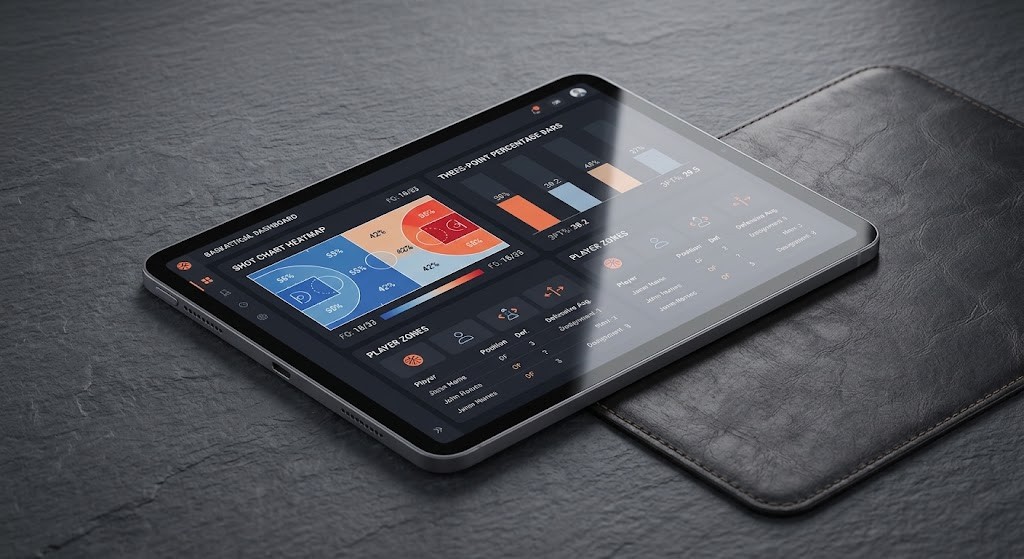
When five shooters stand outside the three-point line, old-school defenses struggle to cover all that open space. Breakdowns in Sky Sports notes on NBA defensive setups show how modern coaches use switching schemes to contest outside shots without giving up easy layups at the rim.
Instead of staying glued to one guy, teams follow simple defensive rules:
- Switch on every pick-and-roll screen out on the perimeter to prevent open threes
- Help out from the weak side to protect the paint when a center steps out
- Run out fast at corner shooters with hands up to contest the shot
- Force ball handlers toward the middle where shots are harder to make
These team rotations require all five defenders to stay awake and move together on every possession.
Watching Modern Tactics and Team Stats
Following how teams adjust to outside shooting makes watching games much more fun for supporters. Fans who log into Pin-Up to look at live match stats, check team form, or follow player prop lines can see how shooting percentages match up with winning games.
Understanding the positionless basketball evolution helps fans see why versatile rosters beat rigid, old-fashioned lineups. When a center hits two threes early, the opposing coach has to change their whole game plan right away. As long as teams value long-range shooting, players who can pass, shoot, and defend multiple spots will stay in high demand.