









London: The International Cricket Council (ICC) has responded to criticism over the scheduling of the Women’s T20 World Cup semi-finals, rejecting claims that it favoured India for prime match timings.
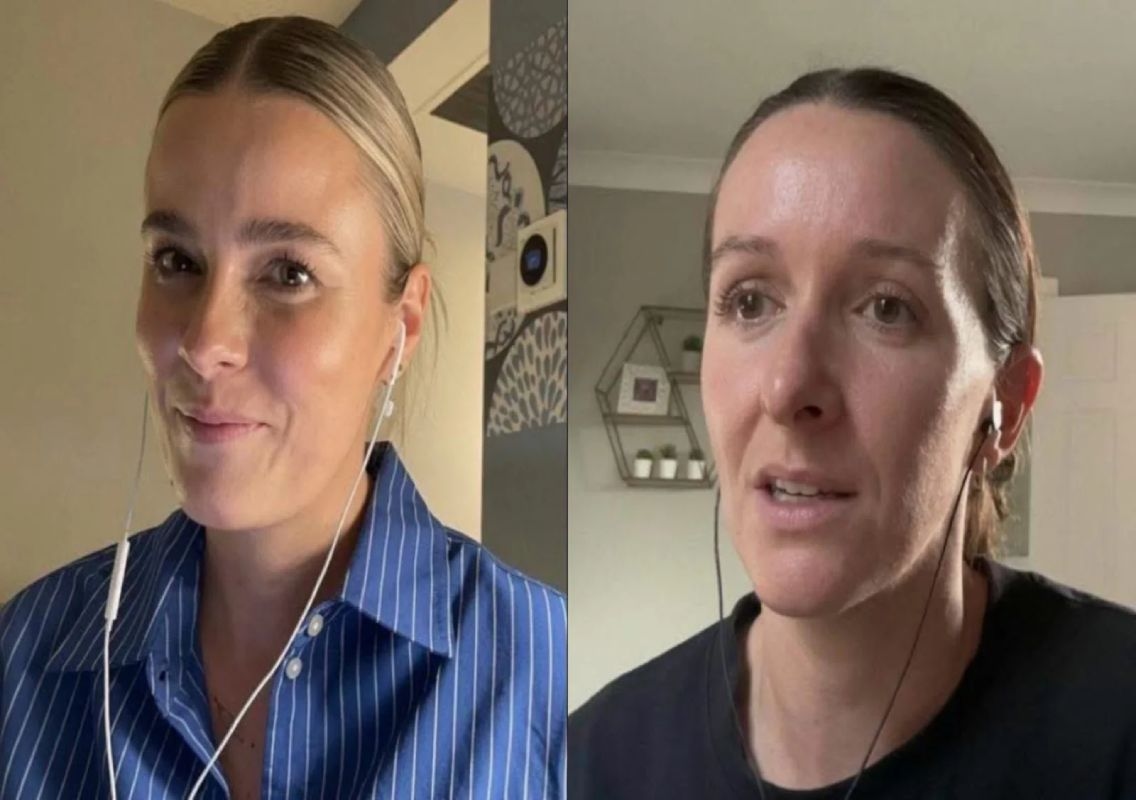
The clarification comes after former England cricketers Alex Hartley and Kate Cross raised concerns on a podcast, suggesting that match timings were being arranged to suit India’s potential progression in the tournament. Their remarks triggered widespread debate on social media, especially after India failed to qualify for the semi-finals.
Semi-final line-up and India’s exit
The semi-finalists for the ongoing Women’s T20 World Cup have been finalised. Australia will face West Indies in the first semi-final on Tuesday, while South Africa will take on England in the second semi-final on Thursday. Both matches are scheduled to be played at the Kennington Oval in London.
India, led by Harmanpreet Kaur, entered the tournament with high expectations but fell short of reaching the knockout stage. A crucial loss to South Africa in the group stage dented their chances, and a subsequent defeat against Australia confirmed their elimination.
Despite being defending ODI World Cup champions, India struggled to maintain consistency, raising questions about team balance and performance under pressure.
England players question scheduling
Ahead of India’s final group-stage match, Alex Hartley and Kate Cross discussed the scheduling pattern during a podcast, questioning whether the ICC had pre-decided favourable timings for India in case they qualified.
Cross remarked that India would have been “guaranteed” the Tuesday semi-final slot due to what she described as favourable timing considerations. Hartley agreed, stating that such practices were common across both men’s and women’s tournaments.
The comments suggested that global cricket bodies might prioritise India due to their large viewership base, a claim that quickly gained traction online.
ICC responds to allegations
Following the controversy, the ICC clarified that the scheduling decisions were not influenced by any particular team, including India. According to the governing body, match timings were determined with the objective of maximising overall viewership and stadium attendance.
Hartley later revealed that she had spoken to an ICC official, who explained that the schedule was designed to suit audiences in the United Kingdom while also accommodating global broadcasting considerations.
The ICC emphasised that such planning is standard practice in major tournaments and aims to ensure maximum engagement across different time zones.
Social media backlash and reactions
The issue escalated after the podcast clip went viral, leading to strong reactions from fans. Kate Cross disclosed that she received abusive messages and even death threats following her comments.
Addressing the situation, Cross urged fans to maintain civility, stating that the discussion did not warrant such extreme responses. She highlighted that there appeared to be a misunderstanding regarding the intent behind their remarks.
The incident has once again brought attention to the growing problem of online abuse faced by athletes and commentators in the digital age.
Match timings and global audience
The first semi-final is scheduled to begin at 7 pm IST, while the second will start at 11 pm IST. The final of the tournament is set to be played at 8 pm IST.
During the group stage as well, India were not the only team to feature in early evening matches, indicating a broader scheduling strategy rather than preferential treatment.
Conclusion
While the ICC has firmly denied allegations of favouritism, the controversy highlights the complexities involved in scheduling global sporting events. Balancing commercial interests, broadcast reach and fairness remains a challenge. The episode also underscores the need for responsible discourse and respectful engagement among fans and stakeholders in international cricket.