









Bengaluru: India’s upcoming professional basketball competition, the India Basketball League, is seeking to carve out its own identity instead of attempting to replicate the success model of the Indian Premier League, according to league officials.
The league, launched in 2025 and expected to begin competition by early 2027, aims to establish a sustainable basketball ecosystem in India focused on player development, infrastructure and long-term career opportunities.
Officials associated with the project said the league’s objective is not to create a “mini IPL”, but to build a professional basketball culture suited to the sport’s unique global and urban appeal.
League rejects comparisons with IPL
Speaking about the vision behind the project, league commissioner Jeremy Loeliger stated that directly competing with cricket’s most successful commercial league would be unrealistic.
“If we tried to become another IPL, we would fail,” Loeliger reportedly said while outlining the league’s long-term strategy.
The statement reflects a broader shift in approach compared to several earlier Indian sports leagues that attempted to imitate the IPL model through player auctions, branding strategies and entertainment formats.
According to Loeliger, basketball already possesses characteristics that naturally appeal to modern audiences, including fast-paced gameplay, frequent scoring, indoor arena environments and strong social media engagement.
He noted that the sport already aligns with the type of fast and high-energy entertainment that many modern sports viewers seek.
Focus on youth and career pathways
League organisers believe one of the biggest challenges in Indian basketball has been the absence of a structured professional pathway for talented players after school-level competitions.
Basketball has long maintained a presence in Indian schools and colleges, particularly in urban areas, but opportunities for players to pursue professional careers have remained limited.
The IBL now aims to bridge that gap by creating a structured ecosystem around player development and competition.
The initiative is being developed jointly by Basketball Federation of India and ACG Sports.
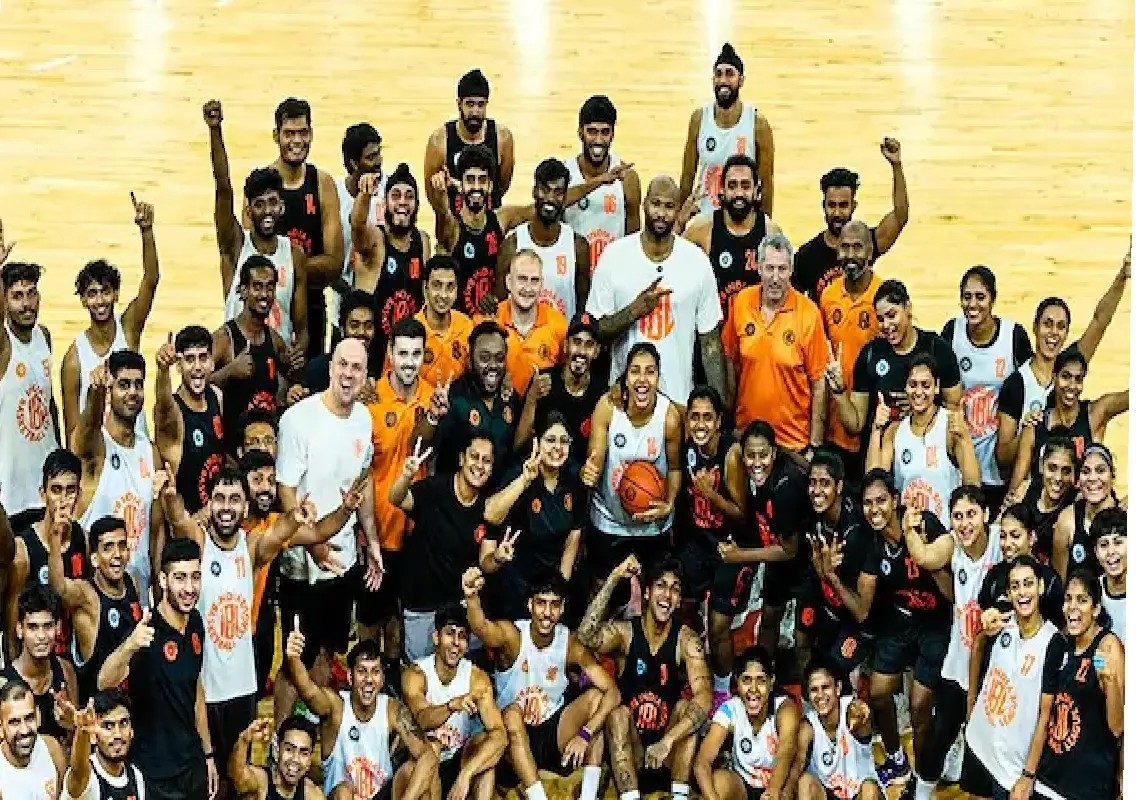
As part of the project, organisers have already launched a fully residential high-performance training centre designed to support young athletes.
The programme is expected to include coaching support from experts from the United States and Australia, with emphasis not only on basketball training but also on nutrition, mental wellness and academic balance.
League officials said the broader goal is to make basketball a viable long-term career option for Indian athletes.
Sustainable growth prioritised over rapid expansion
Unlike several sports leagues that focused heavily on celebrity ownership and rapid commercial expansion, the IBL has repeatedly stressed sustainability as its core philosophy.
Loeliger stated that success for the league should not be measured solely by packed stadiums or massive financial valuations during the initial years.
Instead, the league aims to gradually develop a stable basketball ecosystem where players can realistically pursue professional careers.
Organisers believe this approach will help avoid the difficulties faced by some previous sports leagues in India that struggled to sustain operations after early hype.
The league also plans to adopt a player draft system similar to established international basketball competitions rather than conducting player auctions.
Officials said the draft model would help maintain competitive balance among teams and align the league more closely with global basketball standards.
Infrastructure challenges remain
One of the major hurdles for professional basketball development in India continues to be infrastructure availability.
League organisers acknowledged that India currently lacks sufficient world-class indoor basketball venues to immediately support a large-scale decentralised league format.
As a result, the IBL initially plans to operate through a caravan-style model before eventually transitioning into a full home-and-away system as infrastructure improves across cities.
Officials said the league intends to prioritise gradual expansion rather than rushing into unsustainable growth.
The project has also generated attention through interactions involving international basketball figures, including former DeMarcus Cousins, who recently engaged with young Indian players associated with the initiative.
Building a distinct basketball culture
League officials believe Indian sports audiences are increasingly exposed to a wide range of international sporting content, including basketball, football, Formula One and mixed martial arts through digital platforms.
The IBL hopes to tap into this evolving audience by building a basketball-specific identity rooted in urban youth culture and global sporting trends.
Rather than positioning itself as a rival to cricket, the league aims to occupy its own space within India’s growing sports ecosystem.
Organisers said the long-term success of the project would ultimately depend on whether young players feel basketball can offer genuine professional opportunities in India.
For many aspiring athletes who have long lacked a clear pathway beyond school-level competitions, the league is being seen as a potentially transformative development for Indian basketball.