







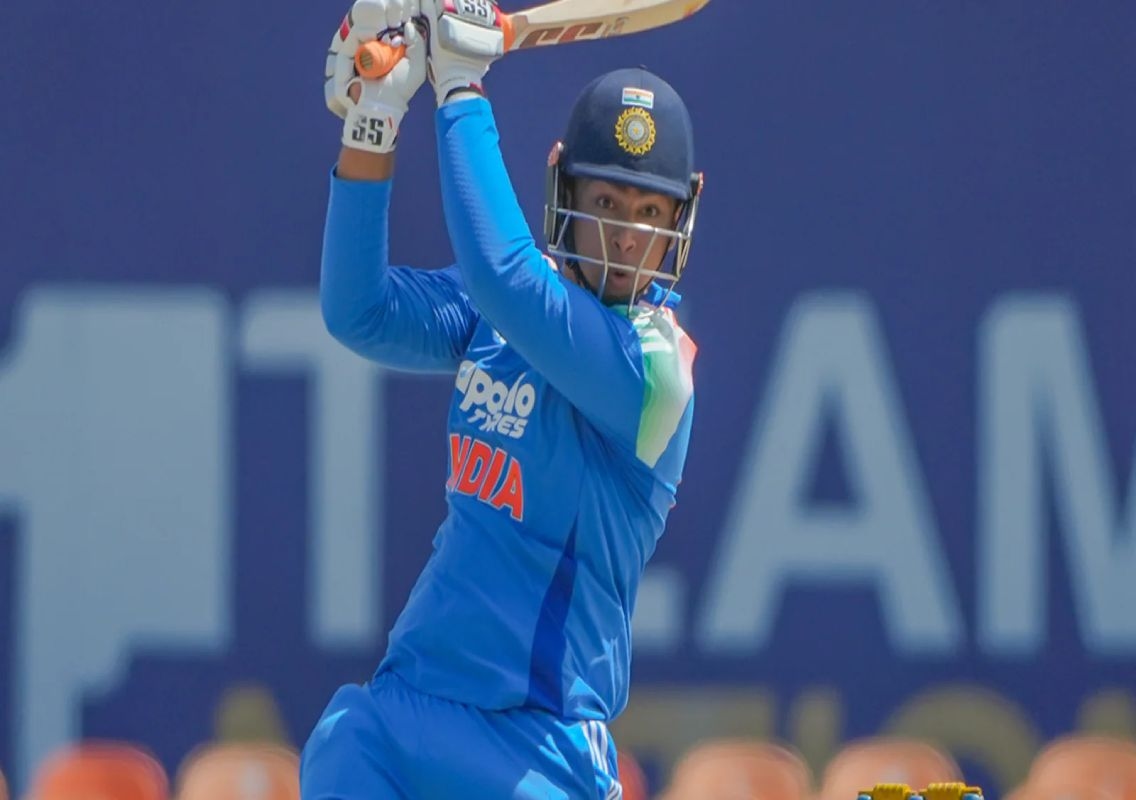


New Delhi: The Indian cricket team has clarified its stance on the potential debut of teenage sensation Vaibhav Sooryavanshi ahead of the T20I series against Ireland, emphasising that fairness in selection remains a top priority.
As anticipation builds over whether the 15-year-old prodigy will receive his maiden senior cap, the team management has indicated that no player will be dropped unfairly to accommodate him. The series opener has generated significant interest, largely due to the possibility of Sooryavanshi becoming India’s youngest international cricketer.
Competition intensifies at the top order
India currently faces a selection dilemma at the top of the batting order. Established players such as Abhishek Sharma, Sanju Samson, and Ishan Kishan—who were part of the T20 World Cup-winning squad—are all strong contenders for opening slots.
Fitting Sooryavanshi into the playing eleven would require leaving out at least one of these in-form players. This has made the decision particularly complex for the team management, which is keen to maintain both performance standards and team balance.
Batting coach Sitanshu Kotak addressed the issue during the pre-match press conference, stating that consistent performers should not be overlooked for the sake of experimentation.
Kotak highlights “thin line” in selection decisions
Kotak acknowledged Sooryavanshi’s immense talent but underlined the importance of rewarding players who have already proven themselves at the international level.
He pointed out that there exists a “thin line” between providing opportunities to new players and being unfair to those who have been delivering results. According to him, handing out a debut at the expense of a performing player would not be the right approach.
Kotak also stressed that India’s depth in talent naturally creates competition, and young players must wait for the appropriate moment to break into the playing eleven.
Final decision rests with leadership group
The final call on the playing eleven will be taken by head coach Gautam Gambhir and captain Shreyas Iyer following team discussions. Kotak maintained that Sooryavanshi would be treated like any other member of the squad and would get his opportunity at the right time.
He refrained from confirming whether the youngster would debut in the first match or later in the series, leaving the decision open-ended.
Backing a young talent without pressure
Despite the cautious approach, Kotak was full of praise for Sooryavanshi, describing him as an outstanding talent with significant potential. Having worked with him at the Under-19 level, the coach expressed confidence in the youngster’s ability to adapt to the senior setup.
He added that both he and Gambhir have encouraged Sooryavanshi to feel comfortable within the team environment and express himself freely. The emphasis, according to Kotak, is on making the youngster feel at home rather than burdening him with expectations.
Leadership and team-first approach
Shreyas Iyer’s return to the T20I setup as captain has also been a talking point. Kotak highlighted Iyer’s leadership experience, particularly in the Indian Premier League, where he has successfully led teams in high-pressure situations.
He noted that leadership within the Indian team is a collective effort, with senior players contributing to decision-making regardless of who holds the captaincy.
The team’s philosophy, Kotak reiterated, revolves around putting the collective interest above individual ambitions—a principle that will guide the selection process.
Conclusion: Patience key to long-term success
As the debate over Vaibhav Sooryavanshi’s debut continues, the Indian team management appears committed to a balanced and fair approach. While the excitement around the young batter is understandable, ensuring justice to in-form players remains equally important.
A patient and structured introduction to international cricket could ultimately benefit Sooryavanshi, allowing him to build a strong foundation for a long and successful career.
For now, the decision rests with the leadership group, but the message is clear—talent will be rewarded, but not at the cost of fairness.