







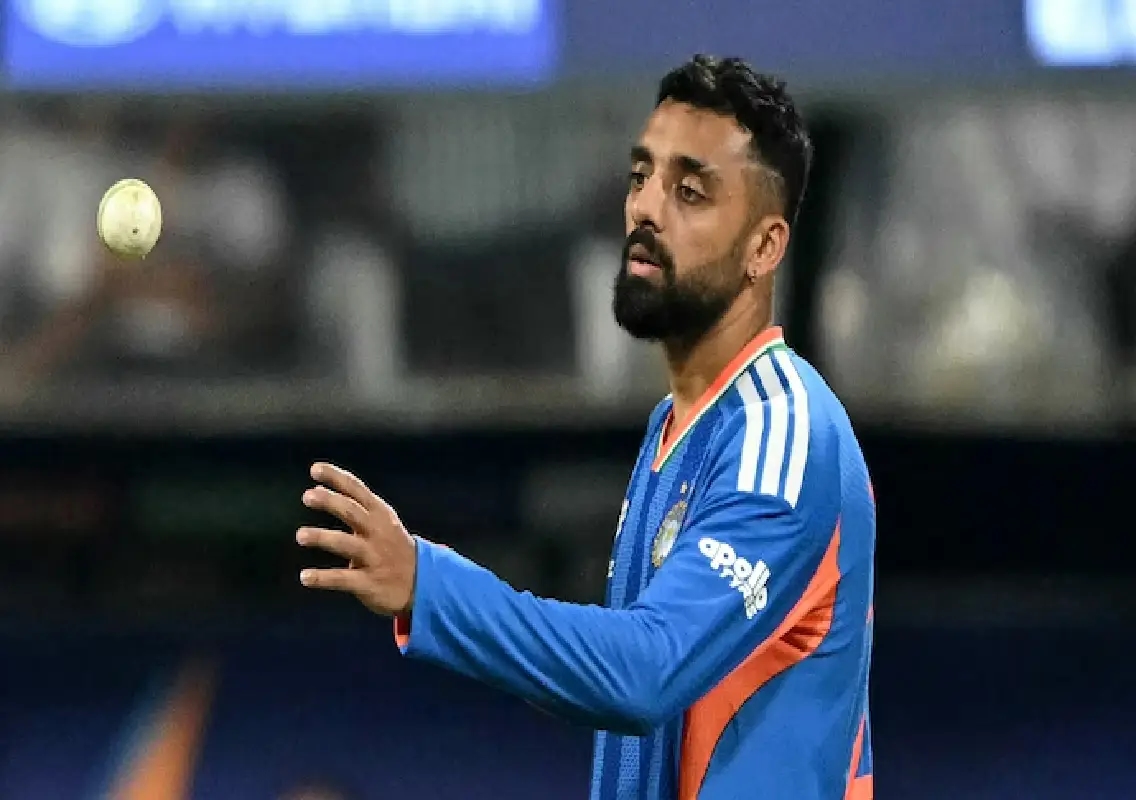


Dubai: India national cricket team fielded an unchanged playing XI for the final of the ICC Men’s T20 World Cup against New Zealand national cricket team, opting to retain their winning combination despite speculation about possible changes ahead of the summit clash.
Sources indicated that the team management decided against altering the line-up even though there had been discussions around including Kuldeep Yadav and Rinku Singh for the high-stakes match.
The decision reflects the management’s confidence in the existing combination that has taken India to the final of the tournament.
Speculation over changes before the final
Ahead of the final, reports suggested that Kuldeep Yadav and Rinku Singh might be considered for selection, particularly after concerns about the recent form of certain players in the squad.
Both players reportedly had extended practice sessions in the nets a day before the final, leading to speculation that India might make tactical adjustments for the match.
However, the team management ultimately chose to stick with the same XI that had played in the semi-final.
Officials believe maintaining stability in the squad would help the players perform with greater confidence in a high-pressure final.
India’s playing XI for the final
India named the same side that had featured in the semi-final, led by captain Suryakumar Yadav.
The playing XI included Abhishek Sharma, Sanju Samson, Ishan Kishan (wicketkeeper), Tilak Varma, Hardik Pandya, Axar Patel, Shivam Dube, Varun Chakravarthy, Jasprit Bumrah and Arshdeep Singh.
While some players have struggled with consistency during the tournament, the team management has backed them to deliver in the final.
Observers noted that maintaining the same line-up also helps preserve team balance, particularly in terms of batting depth and bowling options.
Concerns over player form
There had been concerns about the recent form of Abhishek Sharma and Varun Chakravarthy during the latter stages of the tournament.
As a result, many fans and analysts expected that Rinku Singh or Kuldeep Yadav might replace them for the final.
However, the coaching staff and selectors decided to show faith in the current squad.
The belief within the team camp is that players who have been part of the campaign throughout the tournament deserve the opportunity to contribute in the decisive match.
Such decisions are not uncommon in major tournaments, where team management often prioritises continuity over last-minute experimentation.
Semi-final victory over England
India reached the final after a dramatic semi-final victory over England national cricket team at the Wankhede Stadium.
Batting first in that match, India posted a massive total of 253 runs on the scoreboard, putting significant pressure on the opposition.
However, England mounted a strong chase, led by a brilliant century from batter Jacob Bethell.
Bethell’s aggressive innings kept England in contention for much of the chase and brought them within striking distance of the target.
Despite the intense pressure, India managed to hold their nerve in the closing overs.
Bumrah’s decisive spell
A crucial factor in India’s victory was the outstanding performance of fast bowler Jasprit Bumrah.
Bumrah delivered a sensational spell in the death overs, restricting England’s scoring rate and eventually sealing a narrow win for India.
The match ended with India winning by just seven runs, highlighting how closely contested the semi-final had been.
The victory secured India’s place in the final and strengthened their bid to retain the title.
Toss result and match strategy
In the final, captain Suryakumar Yadav lost the toss as New Zealand chose to field first.
The decision was influenced by the possibility of dew later in the evening, which could make bowling more challenging during the second innings.
Despite losing the toss, Suryakumar said he was comfortable with batting first.
“Happy to bat first since we have been doing that pretty well. It is always good to have runs on the board in a semifinal or a final,” he said at the toss.
The captain also downplayed the significance of India being the defending champions.
“It’s history now, a new World Cup and we are excited for it,” he added.
New Zealand make one change
While India retained the same line-up, New Zealand made a minor adjustment to their team.
Fast bowler Jacob Duffy was included in place of spinner Cole McConchie in the playing XI.
The change suggests that New Zealand are expecting conditions that favour pace bowling.
Both teams have had strong campaigns in the tournament and the final promises to be an intense contest.
India’s record against New Zealand
India face New Zealand for the fourth time in the history of the T20 World Cup.
Interestingly, India have not defeated the Kiwis in previous meetings in the tournament.
This statistic adds an extra layer of intrigue to the final, with India looking to overcome that record and successfully defend their title.
No team has previously defended the T20 World Cup trophy, making the challenge even more significant.
High stakes in the final
With a powerful batting line-up and a balanced bowling attack, India will aim to produce a complete performance in the final.
Players such as Hardik Pandya, Axar Patel and Jasprit Bumrah are expected to play key roles in determining the outcome of the match.
If India manage to win the title again, they would create history by becoming the first team to defend the T20 World Cup crown.
Cricket fans across the country are closely following the match, hoping the team will deliver another memorable victory on the global stage.