







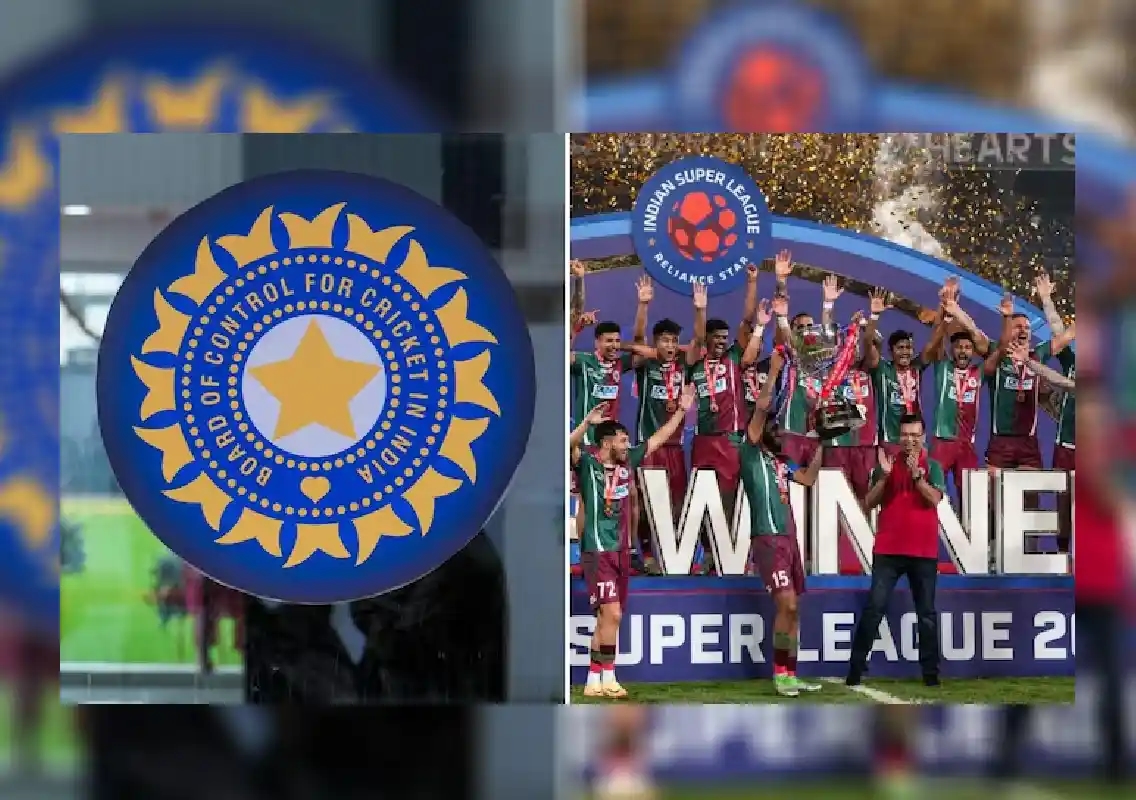


Indian football has arrived at a defining moment. The Indian Super League (ISL), once marketed as a transformational project meant to put India on the global footballing map, is now facing structural strain that has exposed deep-rooted cracks in the system. What was expected to be a step toward expansion has instead highlighted a worrying stagnation: the recent tender inviting new clubs to join the league received no bids. Not one.
The All India Football Federation (AIFF) opened the application window on October 16, encouraging new investors and city-based teams to join the ISL structure. However, the response was unprecedented — absolute silence. The absence of interest has not only raised concern about the league’s viability but also about the financial, developmental and administrative frameworks surrounding the sport in India.
For many, this was not a sudden crisis but the result of years of unresolved challenges.
Glamour without a grassroots backbone
When the ISL launched in 2014, it arrived with glitz. Bollywood stars, business tycoons and international football icons shared the spotlight. Stadiums were illuminated, opening ceremonies resembled cricket leagues, and the messaging was clear: football could become India’s next big entertainment product.
Yet while the tournament delivered visibility and entertainment value, the deeper structure — youth development, scouting networks, fan culture building and local club sustainability — did not progress at the same pace. The business model relied heavily on splashing money early and expecting quick commercial return. For many franchises, the financial strain soon outpaced revenue streams.
The result: clubs operate under pressure, and some have already scaled down or exited. Kolkata giants Mohun Bagan Super Giant recently suspended first-team activities temporarily, citing instability and need for clarity. East Bengal remain operational but are navigating uncertainty of their own.
The message from the ground is unambiguous — enthusiasm cannot replace structure.
The cricket comparison: stability built over decades
The conversation has naturally shifted towards cricket, particularly how the Board of Control for Cricket in India (BCCI) created one of the richest sporting systems in the world. Critics argue that Indian football could learn from cricket’s long-term commercial planning: revenue-sharing models, guaranteed financial security for franchises, structured grassroots pipelines and tiered domestic competition that ensures player supply.
A suggestion floated in some quarters proposes that the BCCI should financially support football for a few years, providing temporary relief until economic and administrative models stabilise. But this idea has been met with caution. The BCCI governs cricket, not football. Its primary responsibility is to its own sporting ecosystem. Even if the financial capability exists, intervention would blur governance lines and risk creating a dependency rather than a solution.
Experts largely agree: the problem is not lack of money alone — it is the lack of a system that ensures money leads somewhere meaningful.
Building a football-first, not event-first, blueprint
The path forward requires reform, not rescue.
Analysts and former players argue the following structural steps:
- Unified league system: Integration and clarity between ISL and the I-League to avoid parallel hierarchies.
- Centralised revenue sharing: Ensuring clubs receive predictable financial support rather than speculative returns.
- Grassroots investment incentives: Clubs that build youth systems should be rewarded, not left unsupported.
- Stable long-term media rights structure: Football needs patient investment cycles, unlike event-based spikes.
- Fan culture building: Sustainable leagues across the world grow from local identity, not celebrity associations alone.
Indian football’s aspiration has always been to qualify regularly for continental competitions, produce homegrown talent capable of competing internationally and foster club identities rooted in communities. That requires time, continuity and planning — the opposite of short-cycle glamour bursts.
Conclusion
The zero-bid outcome is not merely an administrative setback — it is a signal. Indian football is being forced to confront its foundations. The question now is whether stakeholders treat this moment as a warning or an opportunity.
The ISL does not need a temporary infusion of funds to survive another season. It needs a structural reset focused on sustainability, grassroots development and financial clarity.
Indian football has reached a crossroads. The direction chosen now will define not only the league’s future — but the sport’s identity in the country.