







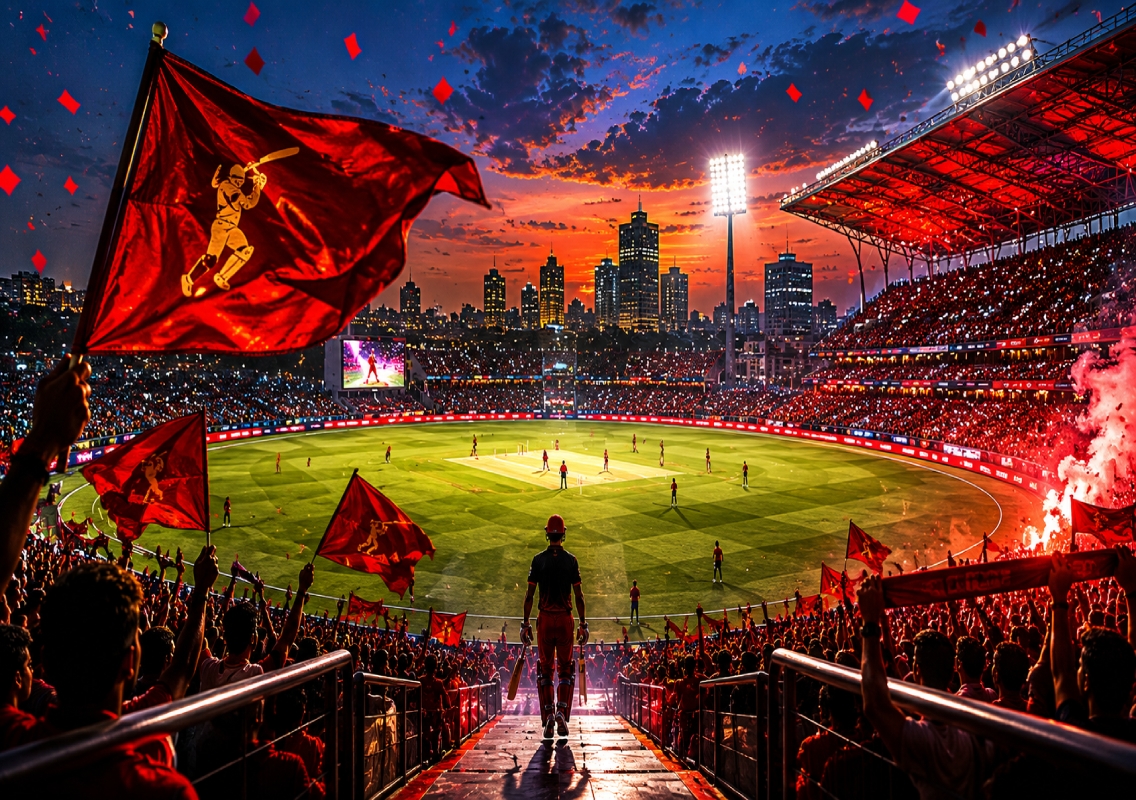


Bengaluru gives RCB a home identity that few IPL teams can imitate. The city does not treat match day as a small event; it treats it like an evening argument with floodlights. A good IPL match here has traffic, noise, tactical debate, and that familiar red-shirted crowd waiting for one clean strike to tilt the mood.
The sharper way to read RCB matches in IPL 2026 is through venue context. Some results belong to the scoreboard, but some belong to the ground. Chinnaswamy rewards courage, punishes defensive bowling, and rarely lets a chase feel dead. That is why RCB’s Bengaluru games carry extra weight even when the table looks calm.
Why Bengaluru Still Shapes RCB’s Season
The team’s profile states that M. Chinnaswamy Stadium is the venue for Royal Challengers Bengaluru, with Rajat Patidar being its captain and Andy Flower its coach. This is important, since even the cricketing identity of the team starts from home, that is, fast scoring, quick recovery after running a boundary, and bowlers thinking faster than the batsmen bat.
For Royal Challengers Bengaluru matches, the home advantage is not only the crowd. It is familiarity with pace off the pitch, ground dimensions, dew patterns, and the emotional pressure that visitors feel when a chase starts running. Bengaluru does not always protect the bowling side, but it does reward teams that stay brave under noise.
RCB opened their 2026 campaign at M. Chinnaswamy Stadium by chasing 202 against Sunrisers Hyderabad in 15.4 overs, winning by six wickets with 26 balls left. That result set the tone: this was not a slow, cautious title defence; it was a loud statement from a team comfortable with attacking cricket at home.
Key Bengaluru matches to read closely:
- Opening Night: RCB’s chase against Sunrisers Hyderabad showed early confidence and tempo.
- Chennai Visit: The southern rivalry brought pressure, history, and a high-scoring home win.
- Gujarat Chase: A difficult target became manageable through calm batting and clean partnerships.
- Venue Pattern: Chinnaswamy kept rewarding teams that attacked without losing shape.
Karnataka’s Cricket Base and Match-Day Logic
A cricket stadium in Bengaluru should do more than just accommodate a match. It should deal with metro traffic, last-minute office traffic, hunger, transport vehicles for teams, security measures, and fans coming from other areas of Karnataka. Chinnaswamy Stadium is successful because it is located in proximity to the city’s live zone.
M. Chinnaswamy Stadium as the Home Reference
The venue is famous for fast-scoring cricket, but that label can be lazy. The better reading is this: bowlers need variation, captains need courage, and fielding sides cannot afford loose overs. A 200-plus target may look heavy elsewhere; in Bengaluru, it often feels like a question rather than a verdict.
RCB’s five-wicket win over Gujarat Titans at Chinnaswamy in Match 34 proved that point. Gujarat made 205/3, but RCB chased it with seven balls to spare through a 115-run stand between Virat Kohli and Devdutt Padikkal, followed by a controlled finish.
Venue cues fans should notice:
- Powerplay Intent: Early boundaries change the whole chase equation.
- Bowling Lengths: Missed yorkers and predictable slower balls disappear quickly.
- Dew Factor: Evening games can become tougher for fielding sides.
- Crowd Pressure: A loud over can make visiting bowlers rush their plans.
The culture of cricket in Karnataka as a whole provides an additional advantage to RCB that cannot be captured by the one stadium alone. Various clubs within the state, cricket played in schools, training sessions at academies, and discussions held at the stadiums keep the game going during off periods of the IPL season.
This is why RCB’s calendar should be read with a map, not just a scorecard. A result in Bengaluru carries one type of meaning; a result outside Karnataka carries another. The best teams join both threads. They use home comfort to build rhythm, then test that rhythm when the pitch, crowd, and travel pattern change.
The Chennai Rivalry at Chinnaswamy
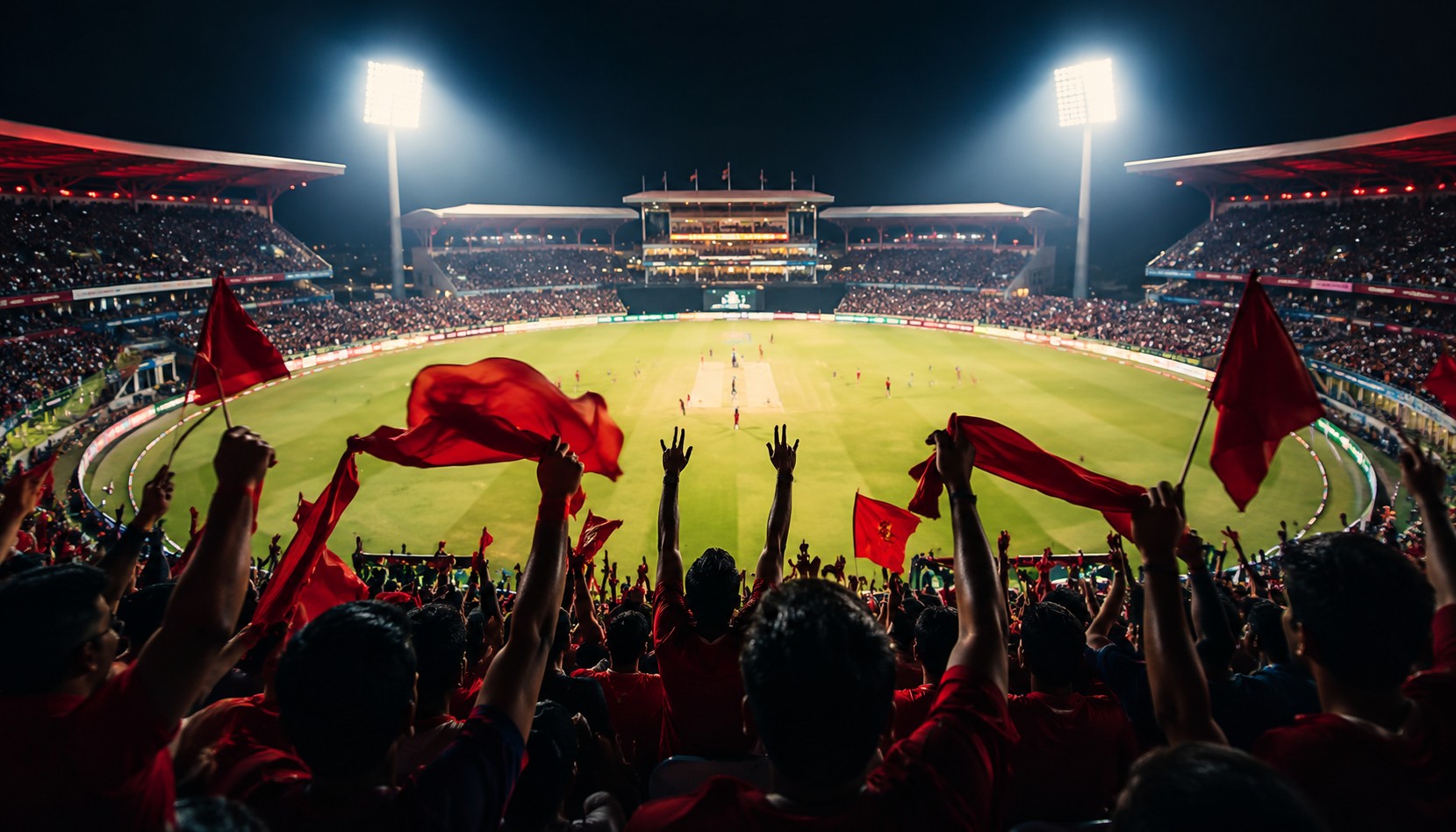
The RCB vs CSK match in 2026 gave Bengaluru the kind of rivalry night fans remember. RCB made 250/3, the highest IPL total recorded against Chennai Super Kings, and then bowled them out for 207 to win by 43 runs. Tim David’s unbeaten 70 off 25 balls changed the match from competitive to explosive.
That win also showed how RCB used home conditions better than Chennai. The batting did not rely on one early burst; it accelerated in layers. Phil Salt and Devdutt Padikkal built the platform, Rajat Patidar pushed the tempo, and David turned the death overs into a power-hitting exhibition.
For fans checking CSK vs RCB all match result, the broader history still has Chennai’s weight, but the 2026 Bengaluru chapter belongs clearly to RCB. Rivalry records matter, yet recent memory matters more inside a stadium. A home crowd remembers the six that clears the roof longer than an old head-to-head table.
Fixture Memory, Travel, and Fan Planning
It is also important for traveling considerations. While most of the big cities in India make it difficult to organize a weekend for a cricket ground, this is not the case for Bengaluru, which offers easy accommodation in the center of the city, metro services, good food joints, Cubbon Park, MG Road, and Church Street that complement an evening’s game. Just keep the day lighter and arrive early, and let the field itself set the atmosphere.
In the case of a fixture in Chennai, it cannot be considered as just another night out in the city. Make all your travel arrangements beforehand; do not plan too much sightseeing near toss time, and keep some time for the crowds that follow the game.
The Mumbai Rivalry and Late-Season Pressure
However, the tale of RCB vs MI in 2026 had a different taste to it altogether. While the most thrilling outcome occurred in neither of the cities, it was played at Raipur when RCB edged out Mumbai Indians with two wickets in hand in Match No.54.
This match holds significance for the followers of Bengaluru since a team which beats the opposition on the last ball makes an entirely different experience of playing in front of one’s own crowd. In the previous years, the RCB had always played with emotions, however, 2026 saw more of composure than before.
For anyone tracking MI vs RCB total match result, the main lesson is not just who won. The better question is how the match was won. RCB recovered from 28/3, absorbed Mumbai’s pace pressure, and still found a way through a messy final over. That is the type of result that shapes a campaign’s spine.
The Mumbai rivalry has always felt sharp because both teams bring large fan bases, big names, and high noise. Bengaluru’s role in that rivalry is emotional even when the venue changes. If RCB win a pressure game elsewhere, Chinnaswamy receives the confidence later.
How to Read Results, Highlights, and Venue Form
IPL match highlights can make any game look simple, but RCB’s 2026 season needs a more patient reading. Watch the phase before the highlight moment. A six in the 19th over often begins with strike rotation in the 13th, a quiet over from a spinner, or a captain refusing to chase the game too early.
Fans should track results in three layers:
- Scoreline: Margin, wickets in hand, and overs remaining.
- Phase Control: Powerplay wickets, middle-over run rate, and death-over execution.
- Venue Fit: Whether the result matched the ground’s usual behaviour.
- Player Role: Who changed the game without necessarily making the largest score.
The official match-report stream shows how quickly IPL 2026 match results can reshape the table, with RCB games appearing across the late league phase and every result adding a new angle to the playoff picture. The useful fan does not read scores in isolation; the useful fan reads timing, venue, opponent, and pressure.
RCB’s Karnataka story in 2026 is therefore not just about home fixtures. It is about how Bengaluru sets the standard for the team’s mood. Chinnaswamy teaches urgency. The crowd demands bravery. The pitch punishes hesitation. The city gives the franchise its voice, and the strongest RCB performances sound like Bengaluru itself: loud, restless, and impossible to ignore.