







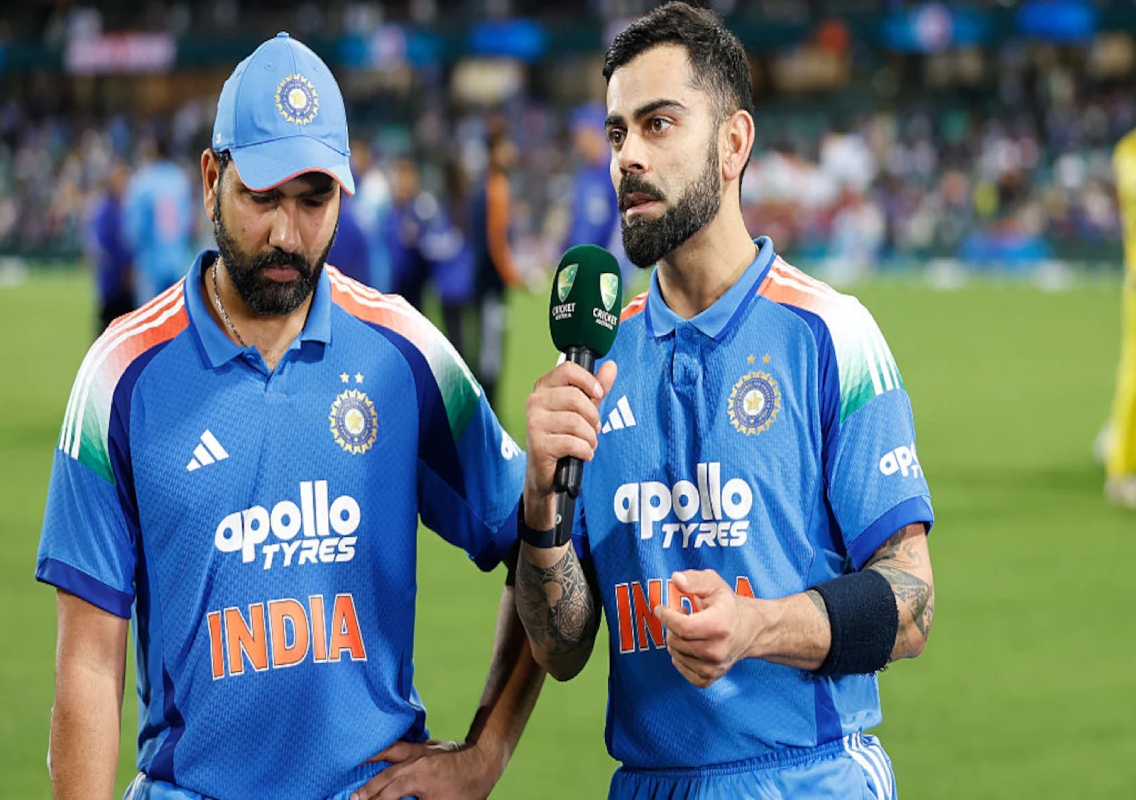


Mumbai: Former India cricketer Mohammad Kaif believes the strength of India’s bowling attack could prove decisive in the team’s bid to win the 2027 ODI World Cup, arguing that the conditions expected in southern Africa will demand a reliable group of experienced and effective bowlers. While the spotlight often falls on batting stars Rohit Sharma and Virat Kohli, Kaif has stressed that India must build a bowling unit capable of controlling matches on pitches that could offer greater pace and bounce.
The 2027 ICC Men’s Cricket World Cup will be hosted by South Africa, Zimbabwe and Namibia. With the tournament still more than a year away, India’s preparations are likely to focus on identifying dependable options across the squad, particularly in the pace department. Kaif has highlighted the need for experienced bowlers such as Mohammed Shami, noting that a relatively young captain in Shubman Gill would benefit from having seasoned campaigners to turn to in difficult situations.
The former India batter’s comments underline a broader point in World Cup planning: strong batting can set up victories, but a team also needs bowlers who can take wickets at key moments, contain scoring and defend totals under pressure.
Why bowling could be crucial in South African conditions
South Africa’s pitches can offer pace, bounce and movement for fast bowlers, although conditions vary between venues and matches. These characteristics make the ability to bowl accurately at high speed, use short-pitched deliveries intelligently and maintain control through the middle overs particularly important in one-day cricket.
Kaif believes India will need a robust bowling attack for the tournament. His assessment reflects the challenge of adapting to conditions that may differ from those commonly encountered on many Indian grounds.
In ODI cricket, bowlers have to manage different phases of an innings. The new ball can create opportunities for early wickets, while the middle overs require discipline and tactical variation. At the death, teams need bowlers who can execute yorkers, slower deliveries and other variations without conceding too many runs.
A World Cup campaign also places considerable demands on a squad. Teams may play several matches across different venues, and the ability to rotate bowlers while maintaining quality can become important. Injuries, workload management and form can all influence a team’s progress through a major tournament.
For India, developing a combination of pace, swing, control and spin will therefore be a key part of the build-up. The selectors will need to assess not only individual performances but also how well different bowlers complement one another.
Kaif highlights the value of experienced bowlers
Kaif has specifically pointed to the importance of bowlers such as Mohammed Shami as India prepare for the 2027 tournament. He believes experience will matter, particularly because Gill is a relatively young captain who may benefit from having senior players capable of guiding the team through challenging match situations.
Shami’s experience in international cricket and major tournaments makes him a relevant name in the discussion. However, selection for the 2027 World Cup will depend on factors such as fitness, form, workload and performances in the lead-up to the event. His inclusion in India’s eventual squad is not guaranteed.
Experienced bowlers can offer more than wicket-taking ability. They can help captains assess conditions, determine when to attack and decide how to respond when opposition batters build partnerships. In pressure situations, such tactical judgement can be as important as pace or movement.
For a captain still building experience in leading India’s ODI side, having senior bowlers who can take responsibility during difficult spells could provide valuable support. At the same time, younger bowlers must also be developed so the team has enough depth to cope with injuries and changes in form.
Rohit Sharma and Virat Kohli remain part of the wider discussion
Rohit Sharma and Virat Kohli continue to attract attention as India plan for the 2027 World Cup. Both have extensive experience in ODI cricket and have played important roles in India’s campaigns at major tournaments.
Their potential involvement is a separate but related question in the team-building process. Kaif’s emphasis on bowling highlights that India’s World Cup ambitions cannot depend on the batting department alone. Even a strong top order needs bowlers who can restrict opponents and take wickets when matches become close.
India will also need to consider how the senior players fit into the team’s broader strategy under Gill’s leadership. Selection decisions will ultimately depend on performances, fitness and the balance required for the conditions in southern Africa.
A successful World Cup side usually combines established performers with players capable of adapting to unfamiliar circumstances. India’s challenge will be to create that balance without relying too heavily on any one department or individual.
India must build depth before the tournament
The road to the 2027 World Cup provides India with opportunities to assess different bowling combinations in bilateral ODI series and other international fixtures. Those matches can help the team identify dependable options for the new-ball overs, the middle phase and the closing overs.
Fast-bowling depth will be particularly important. A tournament squad cannot rely on a single frontline bowler to deliver in every match, especially when travel, workload and injuries can affect availability. Back-up options who have experience of international cricket could give the management greater flexibility.
India will also have to consider the role of spin bowlers. While pace may receive greater attention because of the expected conditions, spinners can still play an important role in controlling the scoring rate and breaking partnerships. The ideal attack will depend on the venues, opposition and conditions on each match day.
Equally important will be fielding support and the ability to convert chances. Dropped catches and missed run-out opportunities can undermine even a strong bowling performance. Preparing for a World Cup therefore requires a collective approach that brings together bowling, fielding, fitness and tactical planning.
What lies ahead for India’s 2027 World Cup preparations?
Kaif’s comments put the focus on a central question for Indian cricket: can the team assemble a bowling attack capable of delivering consistently in challenging overseas conditions? His emphasis on experienced options such as Shami points to the value of combining proven international performers with younger players who can develop into dependable contributors.
The selectors and team management will have several months to evaluate candidates and refine the combination. Performances in upcoming ODI matches, players’ fitness and their ability to adapt to different conditions will help shape the final squad.
India’s batting strength will remain an important part of its campaign, but World Cup success requires balance across all departments. A disciplined bowling attack, backed by effective fielding and sound captaincy, can determine whether the team turns competitive totals into victories.
With South Africa, Zimbabwe and Namibia set to host the 2027 tournament, India’s preparations will need to account for varied conditions and the demands of a long international competition. Kaif’s assessment serves as a reminder that the team’s title ambitions will depend not only on its biggest batting names but also on the depth, experience and consistency of its bowling unit.