







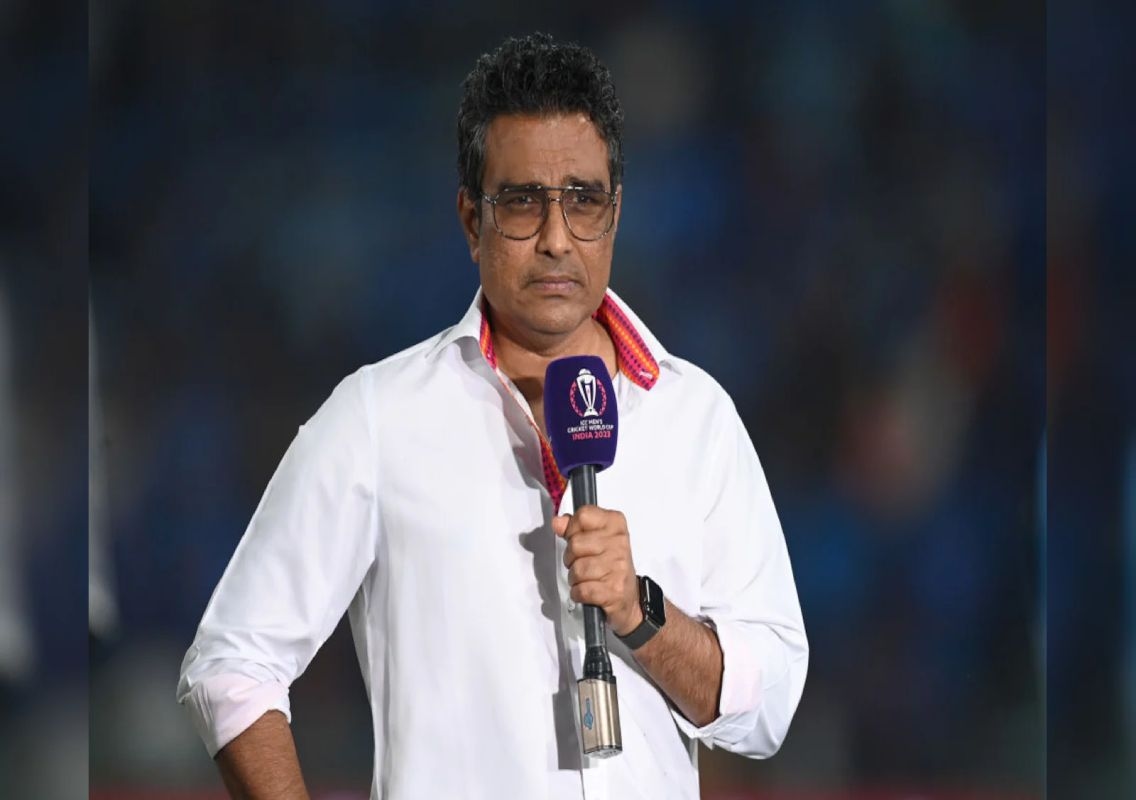


Mumbai: Former India cricketer Sanjay Manjrekar has launched a scathing attack on the national selection committee led by Ajit Agarkar, questioning the relevance of the Ranji Trophy after Jammu and Kashmir pacer Auqib Nabi was overlooked for India’s upcoming one-off Test against Afghanistan.
Manjrekar termed Nabi’s exclusion “ridiculous” and argued that ignoring standout domestic performances undermines the very foundation of Indian cricket’s selection system. His remarks have reignited debate around the importance of domestic cricket in national team selection.
Stellar Ranji season ignored
Auqib Nabi enjoyed a historic season in the Ranji Trophy, finishing with an impressive tally of 60 wickets and playing a pivotal role in Jammu and Kashmir clinching their maiden title. His all-round impact earned him the ‘Player of the Tournament’ award and widespread praise from cricket experts.
Despite such a dominant showing, Nabi failed to find a place in the Indian squad, a decision that has baffled several former players. Manjrekar stressed that performances of such calibre should automatically warrant national selection, particularly when there are vacancies in the bowling lineup.
“It’s actually ridiculous. When proven performers like this are ignored, you might as well not have the Ranji Trophy,” Manjrekar said during a podcast discussion.
Selection decisions under scrutiny
The criticism comes at a time when India’s frontline pacers, including Jasprit Bumrah, Mohammed Shami and Mohammed Siraj, are either unavailable or being rested as part of workload management.
Manjrekar pointed out that such circumstances should ideally create opportunities for in-form domestic players like Nabi. Instead, the selectors opted for other options, raising questions about the criteria being used.
“I can understand if Bumrah, Siraj and Shami were all playing and there was no space. But with them unavailable, this was a no-brainer selection,” he remarked.
The former batter also compared Nabi’s record with those selected, suggesting that the decision does not stand up to scrutiny from a purely cricketing perspective.
Calls to rethink domestic cricket’s role
Manjrekar’s comments echoed the views of former India captain Dilip Vengsarkar, who went a step further by suggesting that the Board of Control for Cricket in India (BCCI) should consider scrapping domestic cricket if such performances continue to be overlooked.
The strong reactions highlight growing frustration among former players, who believe that the pathway from domestic cricket to the national team must remain transparent and merit-based.
Manjrekar lamented that while such decisions would have sparked public protests in earlier times, the reaction today is largely confined to social media debates.
“I used to like the golden days when injustice would bring people out on the streets. Now it’s mostly online outrage, but this is one decision that is hard to understand,” he said.
A larger concern for Indian cricket
The controversy has raised broader questions about talent identification and reward systems within Indian cricket. The Ranji Trophy has historically been the backbone of India’s cricketing structure, producing legends and providing a platform for emerging players.
Ignoring standout performers risks sending a discouraging message to domestic cricketers striving to break into the national team. Experts warn that such decisions could erode confidence in the system if not addressed transparently.
Nabi’s journey, in particular, has been seen as inspirational, with his performances driving Jammu and Kashmir to a historic triumph. Many believe his exclusion represents a missed opportunity to reward merit and strengthen bench strength.
Conclusion
Sanjay Manjrekar’s sharp criticism has once again brought the spotlight on India’s selection policies and the value of domestic cricket. The exclusion of Auqib Nabi, despite an extraordinary Ranji season, has triggered serious debate about fairness and consistency in selections.
As Indian cricket continues to evolve, maintaining a strong and credible link between domestic performances and national selection will be crucial. The current controversy serves as a reminder that recognising and rewarding merit remains essential for sustaining the sport’s integrity.