







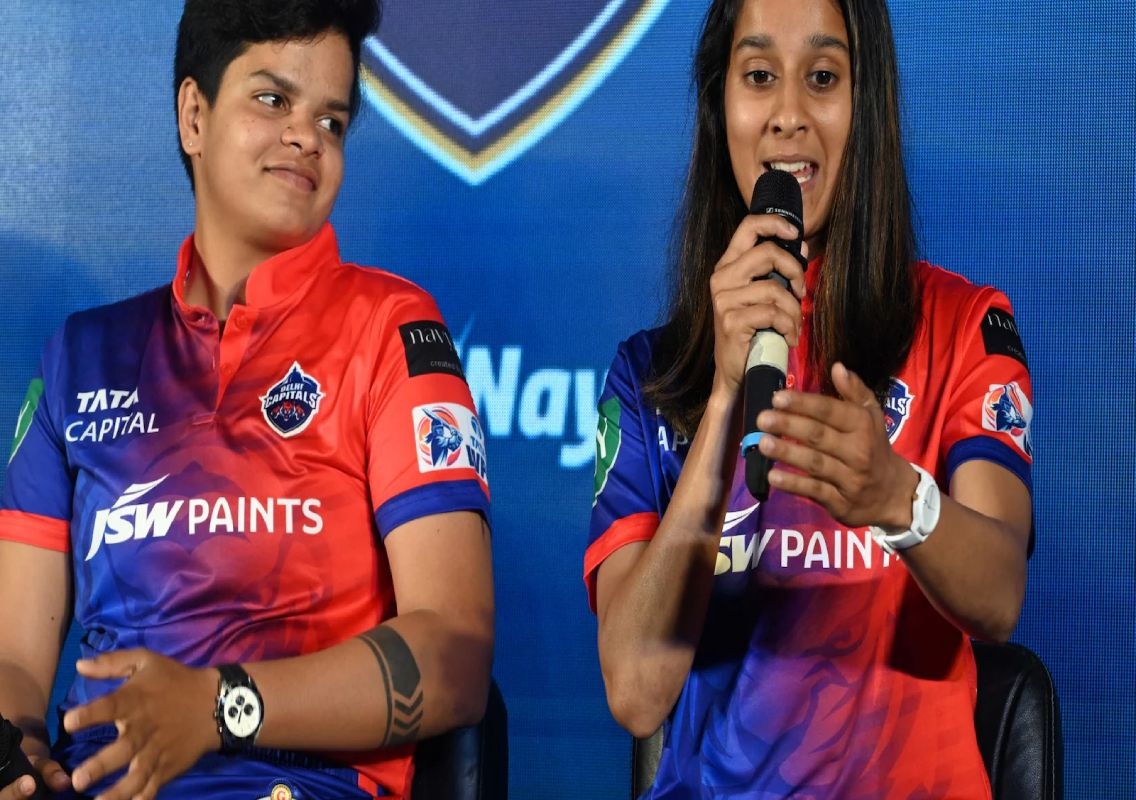


New Delhi: Former India captain Mithali Raj has backed young stars Shafali Verma and Jemimah Rodrigues as future leaders of India’s T20I side, stating that both players are “truly prepared” to take over captaincy responsibilities in the shortest format.
Her remarks come amid growing discussions around leadership transition in Indian women’s cricket, especially after recent underwhelming performances in global T20 tournaments.
Mithali outlines vision for future leadership
Mithali Raj’s comments were made in response to a fan query on social media, where she clarified her stance on leadership options beyond current captain Harmanpreet Kaur.
While backing Shafali and Jemimah for T20Is, Mithali emphasised that her opinion was based on long-term planning rather than immediate change. She also acknowledged the leadership credentials of Smriti Mandhana, noting that Mandhana remains well-suited to captain India in longer formats like ODIs and Tests.
Mithali’s perspective reflects a strategic approach to grooming format-specific leaders, a concept increasingly seen in modern cricket.
Shafali Verma’s aggressive edge and leadership experience
Shafali Verma has been a key figure in India’s T20 setup since her debut in 2019. Known for her explosive batting and fearless approach, she brings a dynamic edge to the top order.
Mithali highlighted Shafali’s growth as a cricketer and her leadership credentials, particularly her role in leading India to their first ICC U19 Women’s World Cup title in 2023. The former captain stressed that leadership is developed through experience on the field, and Shafali’s consistent presence in the T20 side makes her a natural candidate.
In addition to her batting prowess, Shafali’s ability to contribute with the ball adds further value, making her a well-rounded option for captaincy in the future.
Jemimah Rodrigues’ all-round impact
Jemimah Rodrigues has also emerged as a strong contender for leadership in the T20 format. Mithali praised her as a selfless team player who contributes significantly in multiple aspects of the game.
Rodrigues’ performances in global T20 leagues and her role in leading Delhi Capitals to a runner-up finish in the Women’s Premier League (WPL) 2026 were cited as indicators of her leadership potential.
Despite a modest outing in the recent T20 World Cup, Mithali dismissed concerns over form, stating that such phases are part of any cricketer’s journey. She particularly highlighted Rodrigues’ fielding abilities, noting that her efforts often save 20–25 runs per match — a contribution that frequently goes unnoticed but is crucial in T20 cricket.
Harmanpreet Kaur’s tenure and current role
Harmanpreet Kaur, who has led India’s T20I side since 2018, remains a central figure in the team’s leadership structure. Under her captaincy, India achieved notable successes, including a historic ODI World Cup triumph on home soil last year.
However, India’s inability to secure a T20 World Cup title during her tenure has led to increased scrutiny and discussions about future leadership. The team’s group-stage exits in the last two T20 World Cups have further intensified calls for a fresh approach.
Despite this, Harmanpreet is expected to continue leading the side in upcoming tournaments, including the Asian Games in Japan and the Women’s Asia Cup.
Transition phase in Indian women’s cricket
Indian women’s cricket appears to be entering a transition phase, with a new generation of players gradually stepping into prominent roles. The emphasis is on building a squad that can deliver consistent results across formats while preparing for future global events.
Mithali Raj’s endorsement of Shafali Verma and Jemimah Rodrigues reflects this forward-looking approach. By identifying potential leaders early, the team management can ensure a smoother transition when the time comes.
At the same time, balancing experience and youth remains crucial, as senior players continue to play a vital role in guiding the team through high-pressure situations.
Conclusion
Mithali Raj’s backing of Shafali Verma and Jemimah Rodrigues as future T20I captains highlights the importance of planning ahead in Indian cricket. While Harmanpreet Kaur continues to lead the side, the focus is gradually shifting towards grooming the next generation of leaders.
With their skill sets, experience, and understanding of the T20 format, both Shafali and Jemimah appear well-equipped to take on the responsibility when the opportunity arises. As Indian women’s cricket evolves, such strategic decisions could play a key role in shaping its future success.