







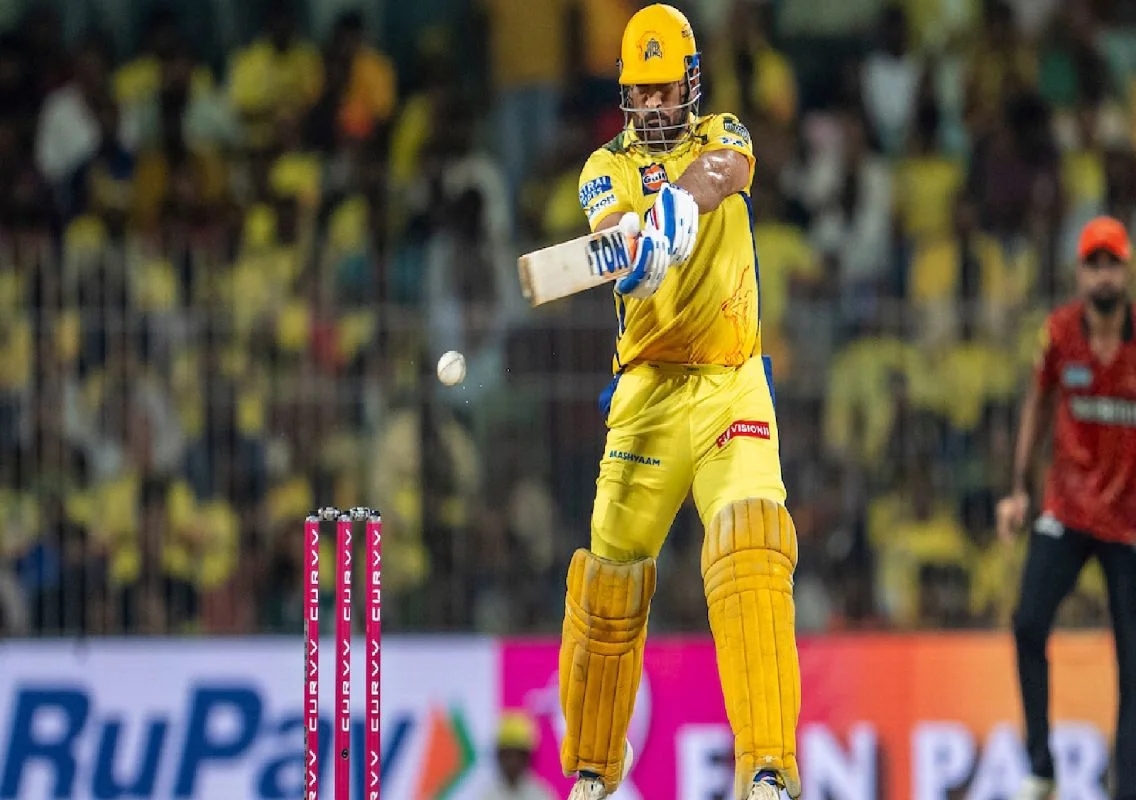


Chennai: As the 2026 season of the Indian Premier League approaches, one question looms larger than ever over Chennai Super Kings — what exactly is MS Dhoni’s role in the team now?
At 44, Dhoni remains the emotional heartbeat of the franchise, but for the first time in his storied career, his on-field role is no longer clearly defined. Observations from recent training sessions and comments from former players suggest that the team, fans, and even experts are grappling with a transition that has been long anticipated but never fully addressed.
A legend still preparing with purpose
During a quiet training session in Chennai, Dhoni was seen going through intense batting drills, facing both spinners and pacers. What stood out, however, was not just his batting, but the way he continued to visualise match scenarios — setting imaginary fields, adjusting placements, and preparing for situations that had not yet unfolded.
It reflected a cricketer still deeply invested in the tactical side of the game, even if his role on the field is evolving.
Questions raised by cricketing voices
The debate around Dhoni’s place in the XI has been openly discussed by former players. AB de Villiers recently questioned whether Dhoni batting lower down the order without captaincy responsibilities is the best use of his abilities.
He suggested that Dhoni could contribute more effectively if he batted higher — around No. 5 or 6 — rather than appearing late in innings with limited deliveries left.
Former CSK player Ambati Rayudu, meanwhile, emphasised the need for clarity, suggesting that Dhoni himself should address the situation publicly to ease pressure on teammates and manage fan expectations.
The numbers tell a complicated story
Dhoni’s performance in the previous IPL season reflects the complexity of his current role. In 13 innings, he often came in during the later stages — frequently after the 15th over — when the match situation was already difficult.
While he maintained a respectable strike rate of 135.17, many of those innings came under pressure, with limited scope to influence the outcome. The excitement surrounding his arrival at the crease often contrasted with the team’s overall results.
For years, fans at Chennai’s home ground would eagerly wait for Dhoni’s entry, sometimes even cheering opposition wickets to see him bat sooner. But that dynamic has begun to shift, with questions now focusing on impact rather than sentiment.
Where does Dhoni fit in this CSK lineup?
The current CSK squad has evolved significantly. With players like Ruturaj Gaikwad, Shivam Dube, Sanju Samson, Dewald Brevis, and emerging talents strengthening the batting order, the need for Dhoni to play a traditional middle-order role has reduced.
Promoting him higher could mean taking opportunities away from younger, more agile players. Keeping him lower limits his time at the crease and reduces his influence.
Another option being discussed is using Dhoni as an “Impact Player”, where he could bat in short bursts without the physical demands of fielding for long periods. However, even this role has its challenges, as opposition teams have adapted their strategies, often deploying spin-heavy attacks against him.
Tactical mind vs physical demands
One of Dhoni’s enduring strengths remains his cricketing intelligence. His ability to read the game, anticipate opposition strategies, and adjust tactics is still considered among the best.
However, at 44, the physical demands of modern T20 cricket present a different challenge. Reflexes, running between wickets, and handling varied bowling strategies have become tougher, especially as teams specifically plan match-ups against him.
Recent training sessions indicate that Dhoni is actively working on countering these challenges — practising against spin from the crease and exploring scoring options against pace.
Beyond numbers: leadership without captaincy
Even without the captaincy, Dhoni’s influence within the team remains significant. His presence in the dressing room, guidance to younger players, and tactical inputs during matches continue to be invaluable.
For CSK, his role may increasingly lean towards that of a mentor-player hybrid — contributing in short bursts on the field while shaping decisions behind the scenes.
Conclusion
As IPL 2026 begins, MS Dhoni’s role at Chennai Super Kings sits at a crossroads between legacy and practicality. The team no longer depends on him in the same way it once did, yet his presence continues to carry immense value.
The challenge for CSK is to strike the right balance — utilising Dhoni’s experience and match awareness without compromising team dynamics or future planning.
For the first time in years, fans are not just waiting for Dhoni to walk out to bat — they are wondering what that moment truly represents. And that uncertainty may well define CSK’s season before the first ball is even bowled.