







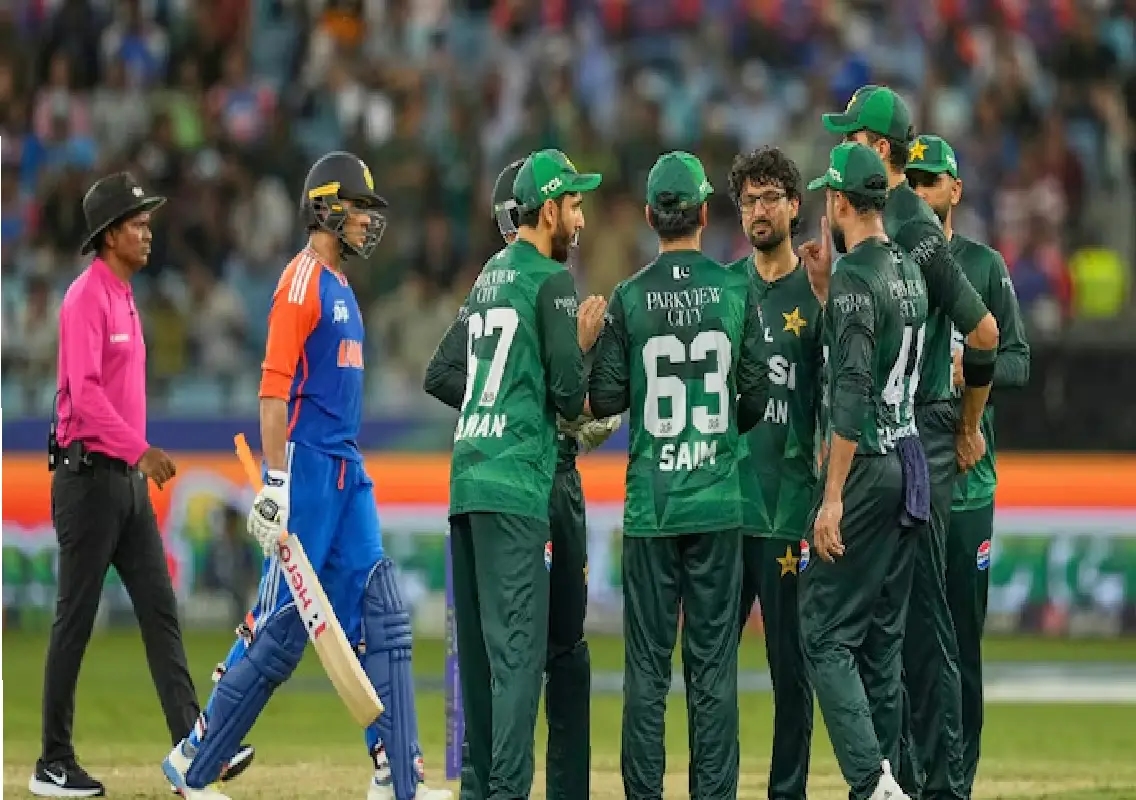


Islamabad: Former Pakistan cricketer Basit Ali has warned that a potential withdrawal by Pakistan from the 2026 ICC Men’s T20 World Cup, scheduled to be jointly hosted by India and Sri Lanka, would cause massive financial losses for broadcasters and plunge the tournament into serious uncertainty. His remarks come amid ongoing speculation over Pakistan’s participation, with the final call resting with the Pakistani government.
Basit Ali’s comments follow a period of heightened tension surrounding the tournament, particularly after Bangladesh were reportedly removed from the competition due to their refusal to travel to India citing security concerns. With Pakistan now awaiting government clearance, uncertainty continues to loom over one of cricket’s most anticipated global events.
Broadcasters at risk if Pakistan withdraws
Speaking on the Game Plan YouTube show, Basit Ali stressed that Pakistan’s absence would severely impact the commercial viability of the tournament. He pointed out that broadcasters depend heavily on marquee fixtures, especially the high-voltage India–Pakistan clash, which consistently draws the highest television ratings and digital viewership worldwide.
“If Pakistan don’t play the World Cup, then the broadcaster will be on the road,” Basit Ali said. “If Pakistan pull out, then which team will replace them? If India play against a replacement team, will that match attract the same eyeballs as an India versus Pakistan game?”
According to industry estimates, India–Pakistan encounters account for a significant share of advertising revenue during ICC events, often running into several hundred crore rupees. Broadcasters invest heavily in media rights largely banking on these matches to recover costs and generate profits. Basit Ali cautioned that removing Pakistan from the equation would disrupt these financial calculations and weaken the overall appeal of the tournament.
PCB chairman defers decision to government
The uncertainty stems from recent statements by Pakistan Cricket Board (PCB) chairman Mohsin Naqvi, who clarified that the decision on Pakistan’s participation would ultimately be taken by the government. Addressing the media, Naqvi said the PCB would seek official guidance before confirming whether the national team would travel to India for the tournament.
Basit Ali praised Naqvi’s comments, suggesting that they had placed the International Cricket Council (ICC) in a difficult position. “With what Mohsin Naqvi said in the press conference, duniya hila di unhone (he has shaken the world),” Basit remarked. “The wording he used has now made things very difficult for the ICC.”
He added that Pakistan should ideally avoid a boycott, but acknowledged that geopolitical considerations could complicate matters. “Pakistan should not boycott because we don’t have to play in India, but what if our government tells us that we need to stand in solidarity with Bangladesh? Then what will happen?” he asked.
Bangladesh’s exit adds to uncertainty
The situation has been further complicated by Bangladesh’s reported removal from the tournament after they stood firm on not travelling to India due to security concerns. The development has already raised questions about the tournament’s structure, scheduling and credibility.
Cricket analysts believe that consecutive withdrawals by Full Member nations could seriously undermine the ICC’s authority and planning process. Basit Ali echoed similar concerns, stating that repeated exits would leave the tournament “in disarray” and erode fan interest.
ICC warning and possible sanctions
Amid the growing uncertainty, the ICC has reportedly issued a strong warning to Pakistan regarding the consequences of a potential boycott. Sources familiar with the matter suggest that withdrawing from a global ICC event could invite unprecedented sanctions, affecting Pakistan’s future participation, revenue sharing and influence within international cricket.
Officials have indicated that such a move could cause long-term financial and structural damage to the PCB, which already relies heavily on ICC distributions for its annual revenue. With Pakistan’s cricket economy dependent on broadcast income and international fixtures, sanctions could have ripple effects across domestic cricket, player contracts and grassroots development.
Squad announcement amid uncertainty
Despite the unresolved situation, Pakistan have announced their 15-member squad for the T20 World Cup. The selection has drawn attention as senior players Mohammad Rizwan and Haris Rauf were left out, signalling a possible shift in team strategy.
Observers believe the squad announcement may be an attempt by the PCB to project preparedness and normalcy, even as questions remain over whether the team will actually take part in the tournament. However, critics argue that announcing a squad without clarity on participation only adds to the confusion.
Conclusion
With the 2026 T20 World Cup still months away, Pakistan’s participation remains one of the biggest unanswered questions surrounding the tournament. Basit Ali’s warning highlights the broader implications of a potential withdrawal, extending beyond cricketing rivalries to the financial health of broadcasters and the credibility of the ICC itself. As the PCB awaits direction from the government, the global cricketing community watches closely, aware that the fate of one of the sport’s biggest spectacles could hinge on political and diplomatic considerations.