







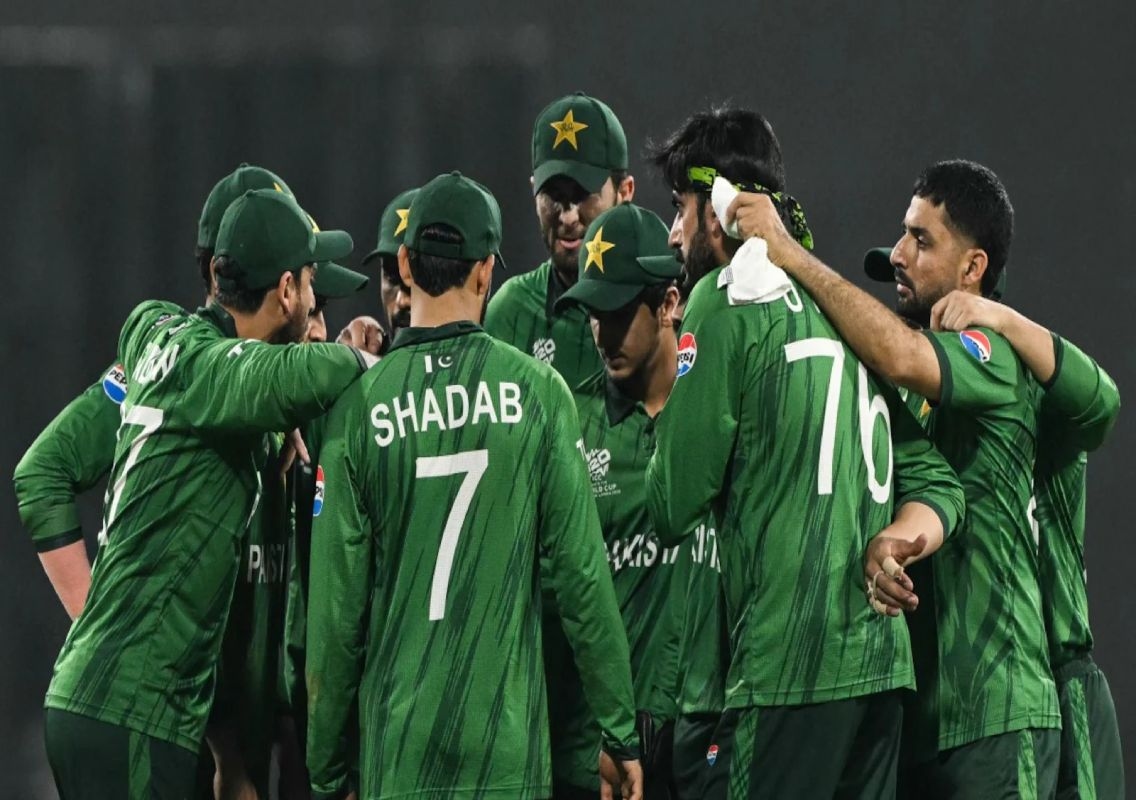


Lahore: The Pakistan Cricket Board (PCB) is set to roll out a revamped central contracts system, with at least 45 players expected to receive lucrative deals under a new structure. The board has earmarked approximately PKR 1100 million (around ₹37.3 crore) for player payments, marking a significant financial commitment towards strengthening the national setup.
The announcement of the new contracts is expected next week, ahead of Pakistan’s upcoming Test tour of the West Indies starting July 13. The overhaul reflects PCB’s move towards a more specialised and performance-driven system.
New format-based contract structure introduced
In a major shift, the PCB has scrapped the traditional A to D categories and introduced format-based classifications. The new system includes categories such as AB, A, BC and C, focusing on players’ specialisation in red-ball and white-ball formats.
Under this structure, players are rewarded based on the formats they play, ensuring a more tailored compensation model. For instance, players in the AB category—who feature in both Tests and ODIs—will receive PKR 1.5 million per Test and PKR 7.5 lakh per ODI. If selected for T20 Internationals, they will earn PKR 5 lakh per match.
Category A, reserved for Test specialists, offers similar Test match fees of PKR 1.5 million. However, if these players are selected for limited-overs matches, they will earn PKR 6.5 lakh for ODIs and PKR 4.5 lakh for T20Is.
Enhanced match fees across formats
Players in Category B, primarily white-ball specialists, will receive PKR 7.5 lakh for ODIs and PKR 5 lakh for T20Is. Should they feature in Tests, they will be paid an additional PKR 9 lakh per match.
Category C, which includes T20 specialists, will earn PKR 5 lakh per T20I. If they are selected for Test matches, their fee will rise to PKR 7 lakh, reflecting the longer format’s demands.
This marks a substantial increase compared to the existing match fees, where players currently receive PKR 12.5 lakh for Tests, PKR 6.4 lakh for ODIs and PKR 1.85 lakh for T20Is. The revised structure significantly boosts earnings, particularly in the shortest format.
Domestic players retain old system
While international players benefit from the new system, domestic cricketers will continue under the existing four-category monthly retainer model. The PCB plans to include 175 domestic players in this structure.
Out of these, 30 players will receive PKR 3.5 lakh per month, 55 players will earn PKR 2.5 lakh, another 55 will get PKR 1.5 lakh, and the remaining 35 players will be paid PKR 1.4 lakh monthly.
Additionally, domestic players participating in the Quaid-e-Azam Trophy will earn PKR 1 lakh per match, while reserve players in the squad will receive PKR 50,000 per game.
Pay boost for women cricketers
The PCB has also revised central contracts for women cricketers, offering significant increments. Players in the top three categories will receive a 33 per cent increase, while those in the lowest category will see a 50 per cent hike.
Under the new structure, Category A women players will now earn PKR 6 lakh per month, up from PKR 4.5 lakh. Category B players will receive PKR 5 lakh instead of PKR 3.5 lakh, while Category C players will get PKR 3 lakh as their monthly retainer.
This move is seen as a positive step towards promoting women’s cricket in Pakistan and ensuring better financial security for players.
Strategic move ahead of international commitments
The introduction of a specialised contract system comes at a crucial time, with Pakistan preparing for key international assignments. By rewarding players based on their format expertise, the PCB aims to enhance performance levels and build stronger squads for different formats.
The increased financial incentives are also expected to boost player motivation and attract more talent to the national circuit.
Conclusion
The PCB’s revamped central contracts system represents a significant evolution in player management and compensation. By introducing format-based categories and increasing match fees, the board has aligned itself with modern cricketing trends.
As the new contracts are rolled out, the focus will be on how effectively this system improves performance and consistency across formats, while also supporting the growth of both men’s and women’s cricket in Pakistan.