


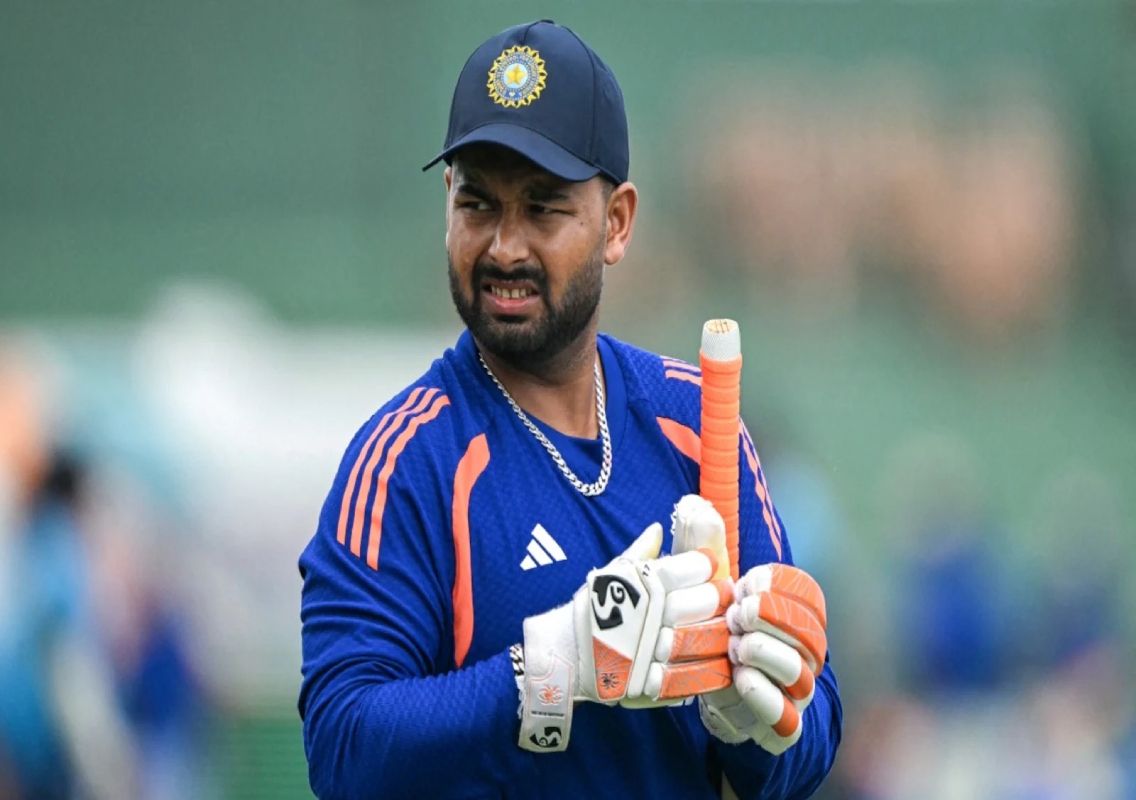


New Delhi: Former India head coach Ravi Shastri has advised wicketkeeper-batter Rishabh Pant to remain true to his attacking style while making smarter decisions according to the match situation. Shastri believes Pant has the ability to change games but must avoid losing his wicket through unnecessary risks.
Shastri shared his advice ahead of India’s upcoming tour of New Zealand, where the team will face challenging conditions in the lead-up to the 2027 ODI World Cup. His message to Pant was straightforward: continue playing naturally, entertain the audience and remain aware of what the team needs at a particular moment.
Shastri’s simple advice to Pant
Shastri said he had consistently encouraged Pant to play his natural game rather than change his approach to satisfy outside expectations.
“I’ve never given a message to Rishabh Pant. I tell him just be smart,” Shastri said during an interaction arranged by Sony Sports Network.
He added that Pant possessed considerable ability and did not need to change his style, but should pay attention to the match situation before deciding how aggressively to bat.
The advice reflects the balance required from an attacking batter. Pant is known for taking on bowlers and changing the momentum of a match, but the timing of his aggression can be just as important as the shots he plays.
Shastri’s comments suggest that Pant should retain his natural attacking instincts while recognising when the team needs him to build an innings or protect his wicket.
Pant faces scrutiny over recent form
Pant’s performances and place in India’s plans have attracted attention in recent months. While he remains an important option in Test cricket, competition for wicketkeeper-batter positions has increased across formats.
The left-handed batter has not featured regularly in India’s ODI plans, with selectors considering other options. His recent injury concerns have also affected his availability for India A’s ongoing preparations ahead of the New Zealand tour.
Pant was ruled out of India A’s first two unofficial Tests against New Zealand A after sustaining a left-side strain. His availability for subsequent matches was subject to further assessment.
These developments have added to the discussion around his form, fitness and role in the national setup. However, Shastri’s advice was focused on decision-making rather than asking Pant to abandon the attacking approach that has made him a distinctive presence in Indian cricket.
New Zealand tour presents a challenge for India
India’s upcoming tour of New Zealand will test the team’s ability to adapt to conditions that can assist seam and swing bowling.
Shastri expects the pitches to offer movement, particularly as New Zealand emerges from winter. He said Indian batters would need to adjust quickly and build partnerships because wickets can fall in clusters when the ball moves through the air or off the surface.
For Pant, such conditions could make shot selection and awareness especially important. His ability to counter-attack can put pressure on bowlers, but the team will also need him to judge when to defend, rotate the strike and build partnerships.
The former coach backed Test captain Shubman Gill to handle the challenge, pointing to his form and previous experience in New Zealand.
Shastri identifies fielding as India’s biggest concern
Beyond batting, Shastri highlighted fielding as an area where India need to improve ahead of the next major international tournament.
He expressed concern about what he described as a decline in fielding standards, saying that consistency in batting and bowling would not be enough if the team failed to raise its performance in the field.
Shastri believes sharper fielding will be important for India’s chances in major competitions, including the 2027 ODI World Cup.
His assessment places Pant’s individual challenge within a wider team objective: India must improve its overall consistency while preparing for difficult overseas conditions.
Pant’s next steps
Pant’s immediate focus will be on recovering from his injury and returning to competitive cricket. His inclusion in India’s Test squad for the New Zealand tour is subject to fitness clearance.
Shastri’s message provides a clear direction for the wicketkeeper-batter: preserve the attacking instincts that make him dangerous, but make decisions with the match situation in mind.
For a player capable of changing the course of a game in a short period, the challenge is to combine aggression with judgement. How effectively Pant applies that balance will remain a key talking point as he works towards his next opportunity with India.