







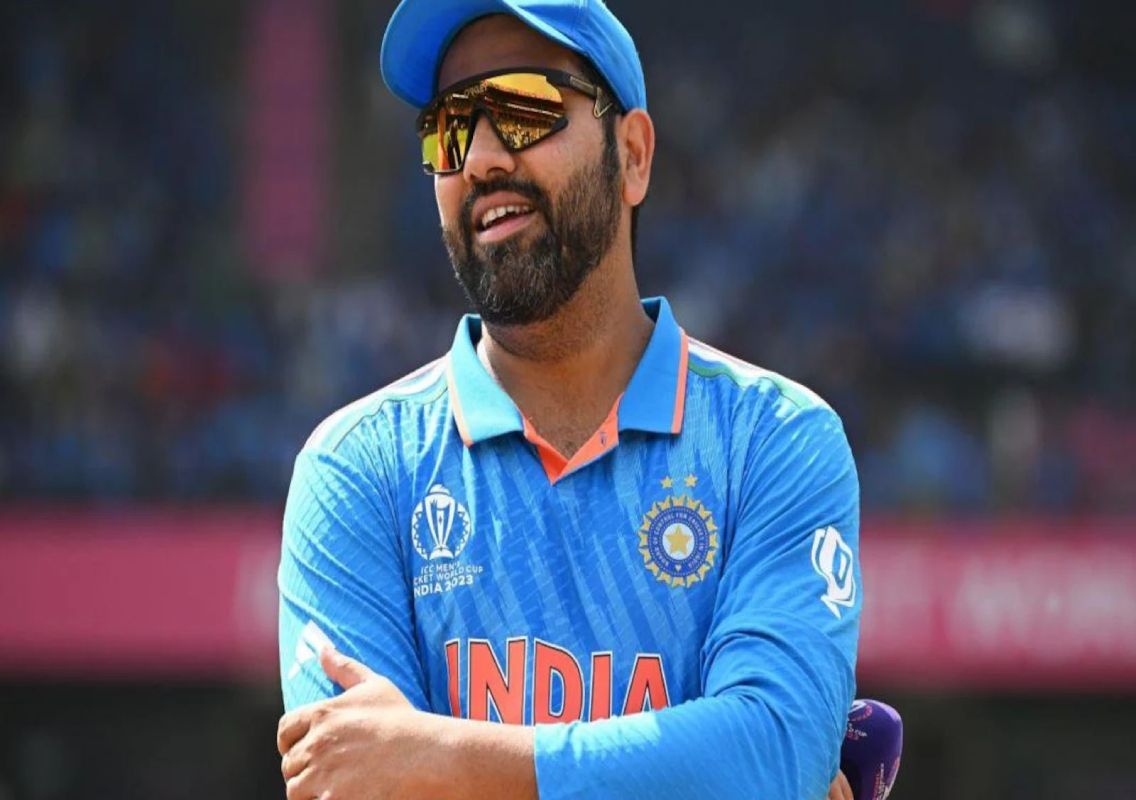


Mumbai: Former India assistant coach Abhishek Nayar has heaped praise on Rohit Sharma’s leadership, highlighting the skipper’s ability to protect players and take responsibility during challenging phases for the Indian team.
Speaking about his time with the national side, Nayar emphasised that Rohit’s calm demeanour, empathy and accountability played a crucial role in maintaining unity within the dressing room, particularly after difficult defeats.
A captain who absorbed pressure
Nayar recalled that one of Rohit Sharma’s most defining traits as captain was his willingness to shoulder blame instead of pointing fingers at teammates.
Reflecting on a Test defeat in Mumbai, Nayar said Rohit publicly took responsibility for the loss despite the team’s collective performance.
“We had Rohit Sharma as captain, and I remember him coming out after the Mumbai Test and saying, ‘It’s okay. We’ve won so many series, we’ve lost this one, and I’ll take responsibility for it.’ That’s who Rohit was,” Nayar said.
He added that Rohit consistently chose to face criticism himself rather than single out players, creating a safe and supportive environment within the squad.
“He would never come out and blame anyone… Instead, he would put his hand up and say, ‘I failed.’ You would never hear him making excuses or throwing someone under the bus,” Nayar noted.
Player-first approach builds trust
According to Nayar, Rohit’s leadership extended far beyond tactics and on-field decisions. His ability to understand players’ emotions and support them individually helped build deep trust within the team.
The former coach pointed out that Rohit often prioritised players who were struggling, ensuring they felt backed even during lean patches.
“He would think about who had been affected the most, who hadn’t scored runs, and how he could make them feel better,” Nayar explained.
This player-first mindset, Nayar said, allowed individuals to perform with greater confidence, knowing their captain stood firmly behind them regardless of results.
Honest communication a key strength
Nayar also highlighted Rohit’s transparent communication style as a cornerstone of his captaincy. Whether in victory or defeat, the Indian skipper was known for speaking candidly without sugar-coating situations.
He cited an instance during a Sydney Test when Rohit was not part of the playing XI but still addressed the media with clarity and honesty.
“He never sugar-coated anything. That’s why the team trusted him,” Nayar said.
This openness, he added, resonated particularly well with younger players, who valued both Rohit’s guidance and his straightforward approach.
Care beyond the playing XI
Nayar further shared an example involving Sanju Samson to underline Rohit’s concern for every squad member, even those not included in the playing XI.
He revealed that Rohit made it a point to personally speak to Samson before a major match during the ICC T20 World Cup, ensuring the player felt valued despite not being selected.
“Even though Sanju wasn’t playing, Rohit made sure he spoke to him before the toss because he was concerned about how he was feeling,” Nayar said.
Such gestures, according to Nayar, helped ease pressure during tough phases and strengthened the overall team environment.
Leadership beyond results
Nayar concluded that Rohit Sharma’s impact as captain went beyond wins and losses. His ability to balance accountability with empathy made difficult periods more manageable for the team.
He stressed that Rohit’s leadership style — rooted in trust, honesty and responsibility — continues to be appreciated by players across experience levels.
As Indian cricket navigates transitions and high expectations, such qualities remain invaluable in shaping a cohesive and resilient team culture.